Introduction
Most people don't fail at vegan eating because of willpower — they fail at 6pm on a Tuesday when there's nothing prepped and the easiest option is takeout. The real gap isn't recipes. It's the system: a repeatable process that turns one prep session into a full week of balanced, satisfying plant-based meals.
This guide walks vegans, flexitarians, and busy health-conscious eaters through exactly that system — from building a smart shopping list and choosing the right batch-cook staples, to storing components so every meal comes together in minutes. One prep session. Seven days of food. No scrambling.
TL;DR
- One weekend cooking session can cover all your plant-based meals for the entire week
- Batch cooking grains, legumes, and roasted vegetables forms your foundation
- Overlapping ingredients across meals cuts costs, reduces waste, and saves significant time
- A structured prep sequence gets a full week done in 2–3 hours
What Is Vegan Meal Prep and Why Does It Work?
Vegan meal prep is the practice of planning, shopping for, and cooking an entire week's worth of plant-based meals in one dedicated session, so each day requires minimal active cooking. Unlike simply "cooking in bulk," meal prep involves intentional structure—a deliberate plan that maps specific meals to specific days, shares ingredients strategically, and considers storage and reheating logistics.
What makes vegan meal prep reliable is that most plant-based staples hold up well in storage. Beans, grains, roasted vegetables, and soups all maintain quality for 4–5 days refrigerated. According to USDA guidelines, storage times break down as follows:
- Cooked grains: 4–6 days refrigerated, up to 6 months frozen
- Cooked legumes: 3–4 days refrigerated, 2–3 months frozen
- Roasted vegetables and soups: 4–5 days refrigerated, 3 months frozen
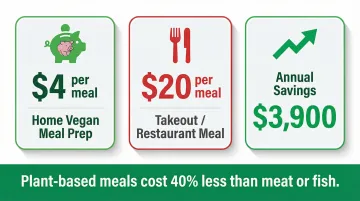
The financial impact is substantial. Meal prepping reduces per-meal costs to approximately $4, compared to an average of $20 for meals eaten away from home—potential annual savings of $3,900. Plant-based meals also cost 40% less than meat or fish-based meals. That combination makes vegan meal prep one of the most budget-friendly approaches to healthy eating.
Reducing Food Waste Through Planning
The average US household wastes $1,866 per year on discarded groceries—roughly one in every four bags. Weekly meal planning directly addresses this by ensuring you purchase only what you'll actually use and prepare ingredients before they spoil. Less waste means lower grocery bills and a smaller environmental footprint—two wins that compound over time.
Why Prep a Full Week of Vegan Meals?
A full-week vegan prep delivers three core advantages:
- Removes the temptation to default to non-vegan options — when hunger hits and nothing is ready, convenience wins. Pre-made meals close that gap before it opens.
- Makes nutritional targets easier to hit — meal planning is associated with healthier diets, greater food variety, and lower obesity rates. Distributing 20–30g of protein per meal optimizes muscle protein synthesis, a target that's far more achievable when meals are designed in advance.
- Cuts per-meal cost by roughly 40% — cooking dried beans, lentils, and grains from bulk rather than buying canned equivalents adds up fast. Dried beans run about $0.15 per half-cup serving versus $0.33 for canned, and those savings compound across a full week.
What Goes Wrong Without a Plan
Without structured meal prep, several patterns emerge: unbalanced meals that rely too heavily on carbohydrates or processed foods, repeated same-day cooking fatigue that leads to burnout, increased food waste from unused produce that spoils mid-week, and difficulty maintaining vegan eating during busy or stressful periods. Research shows that the longer individuals go between meals, the more energy they consume at the next meal and the lower the nutritional quality, reinforcing the importance of consistent, pre-planned eating.
Full-week vegan prep is a practical habit that works equally well for committed vegans, transitioning flexitarians, and anyone managing a demanding schedule.
How to Plan and Execute Your Full Week Vegan Meal Prep
Successful vegan meal prep depends on four inputs: a weekly recipe selection, a consolidated shopping list, a defined prep day, and a logical cooking sequence. Missing any one creates inefficiency—sessions run overtime or gaps appear mid-week.
Step 1: Choose Your Recipes and Map the Week
Select 2–3 breakfast options (often repeated throughout the week), 2 lunch recipes that share overlapping ingredients with dinners, and 3–4 dinner recipes—with at least one freezer-friendly option. The key is choosing recipes where at least 50% of ingredients overlap across meals.
For example, if Monday's dinner uses chickpeas, cumin, and sweet potatoes, Wednesday's lunch should incorporate at least two of those ingredients. This overlap cuts shopping complexity, minimizes waste, and creates variety through different spice profiles—without building entirely separate ingredient lists.
Step 2: Build Your Master Shopping List by Category
Consolidate all ingredients from your chosen recipes into a single categorized list:
- Produce: Fresh vegetables and fruits, grouped by storage type
- Dry Goods/Pantry: Beans, lentils, grains, oats, canned tomatoes, spices
- Refrigerator/Freezer: Plant-based proteins, dairy alternatives, frozen vegetables
Buying dry goods in bulk is where vegan meal preppers save the most money. Purchase dried beans, lentils, brown rice, quinoa, and oats in 2–5 lb quantities rather than small packages.
Specialty items like vegan meat alternatives or plant-based seafood are harder to find at standard grocery stores. NoPigNeva carries hard-to-find plant-based proteins—including seitan, vegan spare ribs, and seafood alternatives—with free nationwide shipping on orders over $99.99, making it easy to stock up on specialty items in one order.
Step 3: Execute the Prep Session in the Right Order
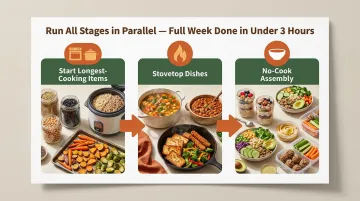
Setting aside 1 to 2 hours of uninterrupted time is typically sufficient to prep 4–6 recipes for the week. The correct cooking sequence maximizes parallel cooking and compresses a full week of food into 2–3 hours:
Start with longest-cooking items:
- Soak or cook dried beans (or use canned for speed)
- Start rice cooker or Instant Pot for grains (brown rice, quinoa, pearl barley)
- Preheat oven and begin roasting vegetables (sweet potatoes, carrots, bell peppers, broccoli)
Move to stovetop dishes:
- While grains cook and vegetables roast, prepare soups, stews, or chilies on the stovetop
- Sauté proteins like tofu or tempeh
Finish with no-cook assembly:
- Prepare overnight oats in individual containers
- Assemble grain bowls with cooked components
- Portion snacks (hummus with vegetables, fruit and nut portions)
Running your oven, stovetop, and countertop appliances at the same time—rather than back to back—is what gets a full week of meals done in under three hours.
Your Full Week Vegan Meal Plan: A Sample 7-Day Framework
Below is a practical 7-day vegan meal plan reflecting real-world prep logic—repeating elements across multiple days and shared ingredients across meals.
| Day | Breakfast | Lunch | Dinner | Snack |
|---|---|---|---|---|
| Monday | Overnight oats with berries & flaxseed | Mexican-style grain bowl (brown rice, black beans, roasted sweet potato, salsa, avocado) | Sweet potato & chickpea chili (large batch) | Hummus with carrot & bell pepper sticks |
| Tuesday | Overnight oats with banana & walnuts | Sweet potato & chickpea chili (leftovers) | Sushi-style grain bowl (brown rice, edamame, avocado, cucumber, rice vinegar dressing) | Apple slices with almond butter |
| Wednesday | Overnight oats with berries & flaxseed | Mexican-style grain bowl (batch prep) | Lentil ragu over pasta (large batch) | Edamame (steamed, salted) |
| Thursday | Overnight oats with banana & walnuts | Lentil ragu over pasta (leftovers) | Stir-fried tofu with roasted vegetables & quinoa | Hummus with carrot & bell pepper sticks |
| Friday | Overnight oats with berries & flaxseed | Sushi-style grain bowl (batch prep) | Sweet potato & chickpea chili (frozen portion, reheated) | Trail mix (nuts, dried fruit) |
| Saturday | Savory breakfast bowl (quinoa, sautéed kale, avocado, tahini drizzle) | Mexican-style grain bowl (final batch) | Roasted vegetable & white bean soup | Apple slices with almond butter |
| Sunday | Savory breakfast bowl (quinoa, sautéed kale, avocado, tahini drizzle) | Roasted vegetable & white bean soup (leftovers) | Prep session for next week | Edamame (steamed, salted) |
Breakfast Strategy: Repetition by Design
Overnight oats appear Monday through Friday because repetitive breakfasts reduce decision fatigue and cut morning prep to zero.
Prepare five servings on Sunday: fill individual containers with rolled oats, plant milk (almond, oat, or soy), chia seeds or flaxseed, and a touch of maple syrup. Refrigerate overnight and add fresh fruit each morning.
Weekend breakfasts introduce variety with a savory grain bowl—leftover quinoa topped with sautéed greens, avocado, and tahini.
Lunch Strategy: The Batch Bowl Model
Build lunches around a cooked grain base (brown rice, quinoa, or pearl barley), a protein component (black beans, chickpeas, or lentils), and rotating toppings. The same base ingredients create distinct meals:
- Brown rice + black beans + roasted sweet potato + salsa + avocado + lime (Mexican-style)
- Brown rice + edamame + cucumber + avocado + pickled ginger + rice vinegar dressing (sushi-style)
Both bowls share the same rice base and avocado—so you're shopping for one core ingredient list, not two.
Dinner Strategy: Large-Batch Recipes + Lighter Options
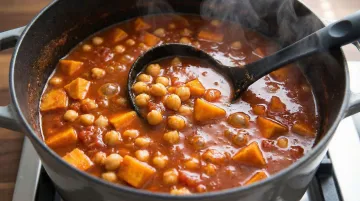
Prepare one large-batch recipe (sweet potato and chickpea chili or lentil ragu) that yields 4–6 servings—enough for 2 dinners and 2 lunches. These recipes are freezer-friendly, so you can freeze half immediately for Thursday or Friday.
Round out the week with lighter meals like stir-fried tofu and roasted vegetables—these rely on components already prepped (roasted vegetables, cooked grains) and come together in under 15 minutes.
Snack Strategy: Bulk Prep, Individual Portions
Prepare 2–3 snack types at the start of the week:
- Homemade hummus portioned with vegetable sticks (carrots, bell peppers, celery)
- Steamed, salted edamame in grab-and-go containers
- Apple slices with almond butter, or trail mix with nuts and dried fruit
Store in individual grab-and-go containers to avoid decision-making during the week.
Key Vegan Pantry Staples for Successful Meal Prep
Foundation Four: Dry Goods
Every vegan meal prep should be built around these four categories:
- Whole grains (oats, brown rice, quinoa, pearl barley): buy in bulk 3–5 lb bags. Cooked grains keep 4–6 days refrigerated or 6 months frozen.
- Legumes (lentils, chickpeas, black beans): dried legumes cost 40% less than canned and store indefinitely. Cook a large batch and freeze portions for future weeks.
- Canned tomatoes (diced, crushed, or passata): the base for soups, stews, and quick weeknight sauces.
- Nuts or seeds (flaxseed, chia, walnuts, almonds): add to breakfasts, snacks, or salad toppings for healthy fats.
Fresh Produce: Prioritize Storage Life
Choose vegetables that hold up well across 5 days:
- High-storage vegetables: Sweet potatoes, carrots, bell peppers, cabbage, kale, broccoli
- Mid-week additions: Avocado, leafy greens, fresh herbs (add these Wednesday or Thursday)
Frozen vegetables retain similar nutrient levels to fresh produce and are often more cost-effective. A two-year study found that frozen produce frequently outperformed "fresh-stored" produce (fresh vegetables stored in a refrigerator for 5 days) in nutrient retention. Stock frozen corn, peas, edamame, and spinach as backup options.
Vegan Protein Variety Beyond Beans
Tofu and tempeh cover the basics, but specialty plant-based proteins are what make weekly dinners feel varied rather than repetitive. One practical advantage of sourcing these from a dedicated vegan retailer like NoPigNeva is avoiding hidden non-vegan ingredients — cross-contamination and mislabeled additives are common in mainstream grocery channels. Their selection includes:
- Seitan (low-fat, high-protein, versatile for stir-fries)
- Vegan spare ribs (textured soy protein, ready in minutes)
- Plant-based seafood alternatives (vegan lobster, scallops, shrimp)
- Daring plant-based chicken pieces (breaded, ready-to-cook)
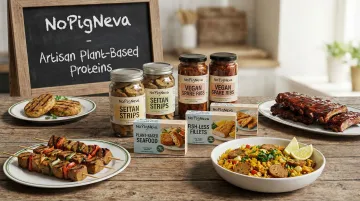
These add variety to grain bowls and veggie-heavy plates without adding much cooking time.
Essential Spices and Sauces
A well-stocked spice shelf transforms simple beans and grains into distinct cuisines:
- Core spices: Cumin, smoked paprika, garlic powder, onion powder, chili powder
- Sauces: Soy sauce or tamari, rice vinegar, balsamic vinegar, tahini
- Nutritional yeast: Provides cheesy flavor and is often fortified with B12 (approximately ¼ cup contains 346–1,000% of the Daily Value, depending on the brand)
Common Vegan Meal Prep Mistakes to Avoid
Choosing Too Many Non-Overlapping Recipes
The most common planning mistake is selecting too many different recipes with unique ingredients. This inflates the shopping list, increases costs, and creates competing cooking tasks on prep day.
The fix: Build your plan around 3–4 recipes that share a common grain, legume, or vegetable base. If three recipes all call for chickpeas, sweet potatoes, and cumin, you can buy in bulk and cut down on prep time considerably.
Storage and Food Safety Errors
Critical mistakes to avoid:
- Not refrigerating prepped food quickly enough (divide hot food into shallow containers for rapid cooling)
- Storing avocado or dressing inside meal containers before serving (causes sogginess or browning—store separately)
- Reheating frozen food more than once (freeze in single-serve portions)
- Freezing raw fresh vegetables without cooking first (blanch or roast before freezing)
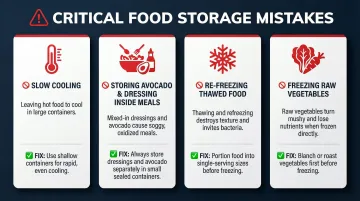
USDA storage guidelines: Cooked grains, beans, and roasted vegetables last 3–4 days refrigerated. Meals intended for Thursday or Friday should be frozen immediately after Sunday prep to stay within this safety window.
Thinking Meal Prep Means Eating Identical Meals Daily
Food safety handled, the next thing that keeps people from meal prepping is fear of monotony. The good news: the same base ingredients become completely different meals with a sauce swap or new toppings. Take cooked brown rice and black beans:
- Monday: Mexican bowl with salsa and avocado
- Wednesday: Sushi-style bowl with rice vinegar dressing and edamame
- Friday: Warm stir-fry with tahini drizzle and roasted vegetables
Same prep, three genuinely different meals. That's the whole trick.
Frequently Asked Questions
What can you eat on a plant-based diet meal plan?
A well-planned plant-based meal plan covers whole grains (brown rice, quinoa, oats), legumes (beans, lentils, chickpeas), vegetables, fruits, nuts, seeds, and plant-based dairy and protein alternatives. Balanced across these food groups, you'll meet all major macronutrients and essential micronutrients without supplementation for most people.
What do vegans eat every day for a week?
Most vegan weekly routines rely on overnight oats or grain bowls for breakfast, bean-and-grain lunch bowls, and legume-based dinners like chilies, stews, or stir-fries. Variety comes from rotating spice profiles and sauces—not swapping out base ingredients entirely.
Is a vegan diet healthy for diabetics?
High adherence to a healthy plant-based diet reduces Type 2 Diabetes risk by 30%, primarily due to high fiber content and low glycemic index foods. A systematic review found that plant-based diets reduce hemoglobin A1c by 0.40% compared to non-vegetarian diets in adults with Type 2 diabetes. Consult a healthcare professional for personalized dietary guidance.
Can you lose weight eating plant-based?
Plant-based diets tend to be high in fiber and lower in caloric density, supporting healthy weight management. A 16-week randomized clinical trial found that a low-fat vegan diet reduced body weight by 5.9 kg, largely due to reductions in fat mass and visceral fat. The key is focusing on whole foods over processed vegan products.
What is the 80/20 rule for vegans?
The 80/20 approach means eating whole, minimally processed plant foods 80% of the time while allowing room for convenience or processed vegan options the other 20%. Registered dietitians endorse this as a sustainable strategy that supports long-term adherence without triggering restriction-driven setbacks.
Ready to simplify your vegan meal prep? NoPigNeva carries the specialty vegan proteins, pantry staples, and hard-to-find ingredients that make a full week of plant-based cooking actually doable. Free nationwide shipping on orders over $99.99 — browse the full selection at NoPigNeva and start prepping with confidence.