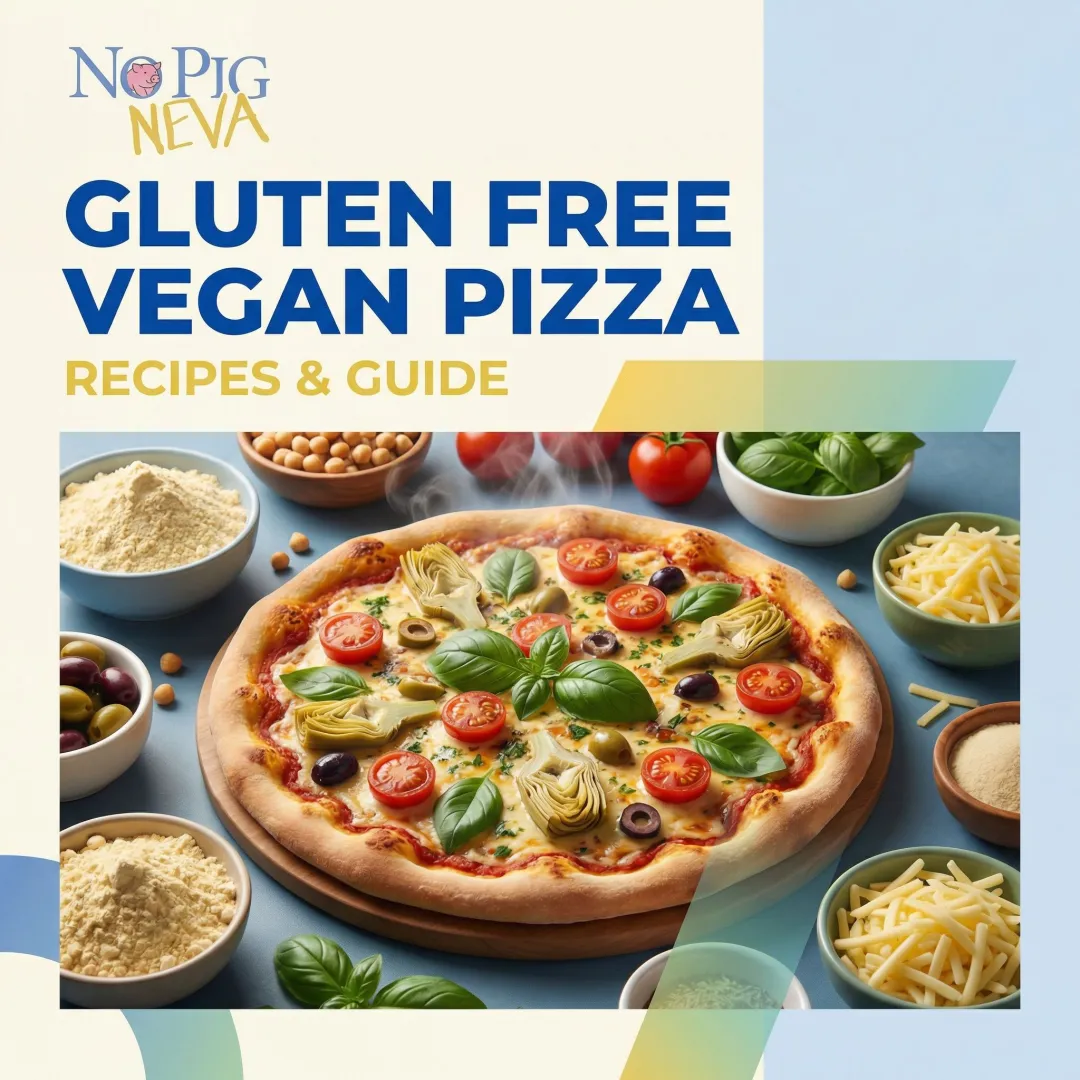

This guide covers everything you need to create foolproof vegan pizza at home: a crispy, chewy crust (homemade or store-bought), rich sauce options beyond basic marinara, the best dairy-free cheese alternatives that actually melt, and a lineup of vegetables and plant-based proteins that bring serious flavor. Whether you're vegan, flexitarian, or simply curious about plant-based cooking, this recipe delivers restaurant-quality results in about 40 minutes.
TL;DR
- Vegan pizza uses simple dough (or store-bought crust), seasoned tomato or alternative sauce, dairy-free cheese, and generous vegetables or plant-based toppings
- Bake at 425–450°F on a preheated pizza stone or directly on the oven rack for a crispy, chewy crust
- Sauté vegetables before adding them as toppings—this single step maximizes flavor and prevents watery pizza
- Top dairy-free cheese picks: Violife mozzarella shreds and Miyoko's cashew mozzarella melt and stretch best
- Total prep and bake time: 40 minutes, with easy swaps for gluten-free or nut-free diets
What Goes on a Vegan Pizza? A Complete Ingredients Overview
A vegan pizza skips all animal-derived ingredients — no dairy cheese, no meat, no eggs in the dough. The good news: every component has a plant-based swap that holds its own on flavor and texture.
Think cashew-based parmesan instead of dairy, marinara boosted with nutritional yeast instead of anchovy paste, and coconut oil mozzarella in place of milk-based cheese.
Every layer matters for overall taste and texture:
- Crust: The foundation — determines chew, crispness, and structural integrity
- Sauce base: Moisture and the primary flavor backbone
- Cheese alternative: Adds savory depth, creaminess, and visual appeal
- Vegetables: Contribute texture, color, and nutritional density
- Plant-based proteins (optional): Add heartiness and recreate the "meaty pizza" experience
Crust Options
You have three practical paths depending on time and skill level:
Homemade yeast-based dough delivers the most flavorful, customizable result. You control thickness, crispiness, and can infuse the dough with garlic or herbs. Choose bread flour (12–14% protein) for a chewy, elastic crust with robust air pockets, or all-purpose flour (9–12% protein) for a lighter, more uniformly crisp texture.
Store-bought fresh dough offers convenience without sacrificing quality. Trader Joe's Plain Pizza Dough is listed as vegan (flour, water, oil, yeast, salt), while Whole Foods' 365 Organic Rustic White Thin & Crispy Pizza Crust carries official vegan certification. Always check labels — some gluten-free store-bought options contain milk.
Alternative bases like cauliflower crust or certified gluten-free premade options work for specific dietary needs. Note that many branded cauliflower crusts contain eggs, so verify ingredients carefully. NoPigNeva stocks select gluten-free vegan products, making it easier to source options that meet both requirements.
Sauce Options
Once the crust is sorted, the sauce is where you set the entire flavor direction. Beyond standard tomato, here are four options worth knowing:
Classic seasoned marinara is the universal choice — it pairs with every topping combination and delivers the familiar pizza flavor most people expect.
Cashew cream white sauce works beautifully with mushrooms, spinach, or caramelized onions for a richer, more upscale result.
Pesto brings herbaceous intensity and pairs well with sun-dried tomatoes, artichoke hearts, or roasted vegetables.
Butternut squash sauce is sweet, savory, and underrated — it complements caramelized onions, sage, and vegan sausage for a strong fall-inspired pizza.
To quickly upgrade store-bought tomato sauce: sauté minced garlic in olive oil, add the jarred sauce, then stir in dried basil, oregano, and a pinch of sugar to cut the acidity.
How to Make a Vegan Pizza Crust
Homemade dough makes a meaningful difference—you control thickness, crispiness, and flavor. A garlic-herb dough adds an extra layer of flavor before a single topping is added, setting your pizza apart from store-bought crusts.
Core Ingredients
All these ingredients are naturally vegan:
- All-purpose or bread flour (determines chew and texture)
- Active dry yeast (for rise and flavor development)
- Warm water (activates yeast)
- Olive oil (adds tenderness and richness)
- Salt (enhances flavor)
- Optional: garlic powder, dried oregano, or dried basil
Key Steps
Activate the yeast: Combine warm water (105–110°F) with yeast and a pinch of sugar. Let stand 5–10 minutes until foamy.
Mix and knead: Combine flour and salt in a large bowl. Add yeast mixture and olive oil. Knead 8–10 minutes by hand (or 5 minutes in a stand mixer) until the dough is smooth, elastic, and slightly tacky.
Rest and rise: Place dough in an oiled bowl, cover with a damp towel, and let rise at room temperature for at least 1 hour until doubled in size. Resting is non-negotiable: it develops gluten structure and creates the airy, chewy texture that makes pizza crust satisfying.
Roll thin: On a floured surface, roll dough to your desired thickness. Thinner crusts bake faster and get crispier; thicker crusts stay chewier inside.
The Most Important Baking Tip
Preheat your oven to 425–450°F. For home ovens, America's Test Kitchen recommends aiming for the highest safe temperature, ideally 500–550°F if your oven allows.
Bake the pizza directly on the oven rack (using parchment paper underneath for easy transfer) or on a preheated pizza stone. Baking directly on the rack allows heat to circulate without barriers, evaporating moisture and preventing a soggy crust.
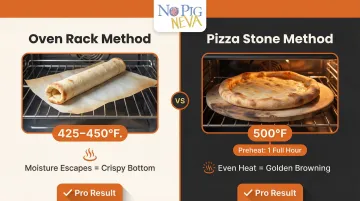
A pizza stone must be preheated for a full hour at 500°F to ensure proper browning.
This technique, not the dough recipe itself, is what achieves a crispy bottom rather than a soggy one.
Gluten-Free Variation
A certified gluten-free crust can be made or purchased without compromising plant-based integrity. NoPigNeva carries select gluten-free vegan products that meet both dietary requirements. Gluten-free crusts lack the elastic protein network of wheat, so they often require pressing into a pan rather than hand-stretching, and benefit from par-baking before adding toppings.
Vegan Cheese and Sauce Alternatives That Actually Deliver
The most common concern: "Will I actually miss the mozzarella?" The honest answer is that the right combination of umami-rich ingredients—nutritional yeast, savory sauce, and sautéed vegetables—can make dairy-free pizza deeply satisfying even without traditional melty mozzarella. Plant-based cheese repeat purchase rates increased to 54% in 2024, up from 48% in 2023, indicating that newer formulations are better meeting expectations.
Cashew-Based Vegan Parmesan
Blend these ingredients in a food processor until a fine crumble forms:
- 1 cup raw cashews
- ½ cup nutritional yeast
- 1 teaspoon garlic powder
- ½ teaspoon salt
This delivers a savory, cheesy flavor without any dairy. Nutritional yeast's natural compounds can amplify umami flavors up to 100 times more than MSG alone, which explains why it punches so far above its weight on pizza.
Nut-free alternatives: Substitute sunflower seeds or hemp seeds for cashews using the same 2:1 ratio (2 parts seeds to 1 part nutritional yeast).
Store-Bought Vegan Cheese Options
Based on independent melt tests, these are the most reliable options:
- Violife Just Like Mozzarella Shreds — Coconut oil and tapioca starch base. Melts with a taste, texture, and appearance close to dairy mozzarella. Widely available online and in stores.
- Miyoko's Pourable Cashew Mozzarella — Premium texture and flavor. The liquid format coagulates and browns in the oven rather than melting from a solid state, sidestepping the common problem where vegan shreds keep their shape instead of melting properly.
- Daiya Mozzarella Shreds — Made with Daiya Oat Cream™ blend and tapioca starch. Melts flawlessly for that ooey-gooey pull, and is one of the most budget-friendly options of the three.
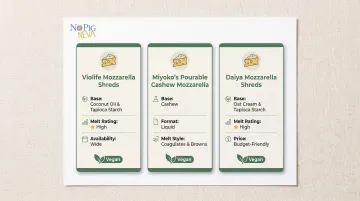
NoPigNeva carries Violife and other vegan cheese brands, so you can order everything for pizza night in one place.
Pro tip: Shredded styles melt better than sliced. Placing cheese under the toppings (rather than on top) protects it from direct heat, preventing it from drying out before it melts and creating a barrier that keeps the crust from getting soggy.
Best Toppings for Vegan Pizza and How to Assemble It
The most important technique for vegetable toppings: always sauté vegetables before adding them to pizza rather than using them raw. Raw vegetables don't fully cook during the short 17–20 minute bake time and release excess water that makes the crust soggy.
Sautéing softens vegetables, concentrates their flavor, and adds a slight char through the Maillard reaction—a chemical process where proteins and sugars transform under high heat to create complex, browned flavors that raw toppings can't deliver.
Best Vegetables for Vegan Pizza
These vegetables perform exceptionally well based on flavor, texture, and popularity:
- Bell peppers (all colors) — sweet, slightly smoky when sautéed, vibrant color
- Red onion — caramelizes beautifully for natural sweetness and depth
- Cremini or button mushrooms — earthy, meaty, umami-rich
- Baby spinach — wilts quickly, adds nutrition without competing with other flavors
- Black olives — briny and salty, a classic pizza staple
- Broccoli florets — nutty when roasted, good textural contrast
- Sun-dried tomatoes — intensely sweet-tart, concentrated tomato punch
- Jalapeño — heat and brightness that balances rich cheese
- Sweet corn — pops of sweetness and textural variety
Pair bell peppers with jalapeño for a sweet-heat combo, or layer mushrooms with sun-dried tomatoes for deep, savory flavor.
Plant-Based Protein Toppings
These plant-based proteins recreate the "meaty pizza" experience without the meat:
- Vegan pepperoni: Field Roast Plant-Based Pepperoni features anise, fennel, paprika, and black pepper for authentic flavor. NoPigNeva carries Field Roast pepperoni slices designed specifically for homemade pizzas.
- Crumbled vegan sausage: Adds savory, spiced notes similar to Italian sausage
- Organic soyrizo: Soy-based chorizo alternative made with textured soy protein, vinegar, and traditional spices (chile pepper, paprika, garlic, oregano) for spicy, crumbly texture
These are available through specialty vegan retailers like NoPigNeva, which stocks a curated selection of plant-based proteins and hard-to-find vegan products.
Assembly and Baking
Follow this sequence for optimal results:
- Spread sauce thinly across the rolled dough, leaving a ½-inch border for the crust. Too much sauce results in a soggy crust.
- Sprinkle vegan parmesan (cashew-based or store-bought) over the sauce for an umami boost.
- Add sautéed vegetables and plant-based proteins, distributing evenly.
- Optional: Layer shredded vegan mozzarella under or over the toppings depending on your preferred melt technique.
- Bake at 425–450°F for 17–20 minutes until the crust is golden and crisp at the edges.
- Finish immediately after baking with fresh basil leaves, red pepper flakes, and a second dusting of vegan parmesan.
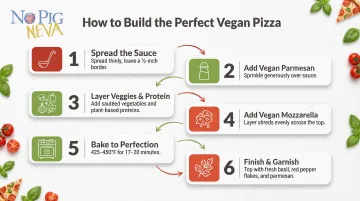
This sequence ensures every layer contributes to flavor and texture without compromising the crust.
Frequently Asked Questions
What does a vegan pizza have on it?
A vegan pizza uses plant-based versions of traditional toppings: tomato or alternative sauce, dairy-free cheese, and a variety of vegetables or plant-based meat alternatives. Everything is free from animal-derived dairy, meat, and eggs.
What is the best non-dairy cheese for pizza?
Violife mozzarella shreds and Miyoko's pourable cashew mozzarella are widely praised for melt and flavor, while homemade cashew parmesan made with nutritional yeast delivers excellent savory depth. The best choice depends on whether you want a melting cheese or a dry, parmesan-style topping.
Is vegan pizza crust healthy?
A basic vegan pizza crust made from flour, yeast, water, olive oil, and salt contains zero cholesterol and no saturated animal fat. Whole wheat variations add fiber (10.7–13.1g per 100g compared to 2.7g in white flour), making it a lighter, more nutritious option overall.
What vegetables taste best on vegan pizza?
Bell peppers, mushrooms, red onion, sun-dried tomatoes, broccoli, spinach, and black olives are excellent choices. Sautéing them before use maximizes their flavor through caramelization and prevents a watery topping that compromises the crust.
What is the secret to a good pizza crust?
Start with the right flour — bread flour for chew, all-purpose for tenderness — and let the dough rest and rise for at least 1 hour. Then roll it thin and bake at 425–450°F directly on the oven rack or a preheated pizza stone for a crispy exterior with a chewy interior.
Ready to make vegan pizza at home? NoPigNeva offers free nationwide shipping on orders over $99.99, stocking everything from Violife mozzarella shreds and Field Roast pepperoni to specialty vegan cheeses and plant-based proteins. Members save 10% on every order, so keeping your kitchen stocked with quality vegan ingredients costs less.