
Introduction
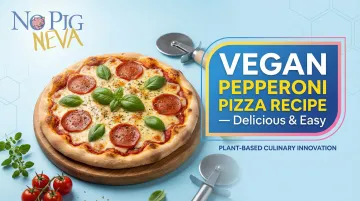
Switching to a plant-based diet doesn't mean giving up your favorite comfort foods — especially not pizza. Many new vegans struggle with that pepperoni pizza craving: the crispy crust, tangy sauce, melty cheese, and those spicy, smoky slices that curl at the edges.
This recipe nails that full experience without any animal products. Whether you're using homemade components or store-bought shortcuts, baking on a pizza stone or a regular sheet pan, it comes together easily and satisfies every time.
TLDR:
- Make pizzeria-quality vegan pizza at home with full ingredient control
- Use store-bought or homemade vegan pepperoni for bold, smoky flavor
- Preheat your oven or pizza stone at 500–550°F for a crispy, golden crust
- Brush pepperoni with olive oil before baking for a caramelized, crispy finish
- Finish under the broiler for 1–2 minutes to melt and brown vegan cheese perfectly
Why You'll Love This Vegan Pepperoni Pizza
Making pizza at home puts you in control of every ingredient, topping ratio, and portion size — and it costs significantly less than ordering out. Plant-based meat alternatives can cost 2–4 times more than conventional products, so a homemade version lets you skip the markup. Spice levels, crust thickness, toppings — all yours to dial in.
Every component of this recipe can be swapped or adjusted to fit your needs:
- Thinner crust: Roll the dough out a little more before baking
- Extra heat: Add a heavier pinch of red pepper flakes
- Gluten-free: Sub in gluten-free dough and tofu-based pepperoni
That flexibility makes it easy to cook for mixed-diet households or experiment until it's exactly right.
Store-bought shortcuts make this genuinely fast. Pre-made dough, vegan cheese shreds, and packaged vegan pepperoni cut assembly down to under 30 minutes — a realistic weeknight dinner that doesn't feel like a compromise.
What You'll Need: Ingredients for Vegan Pepperoni Pizza
Vegan Pepperoni Options
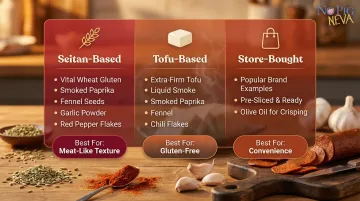
You have three main paths for vegan pepperoni:
- Homemade seitan-based — vital wheat gluten gives the meatiest texture. Season with smoked paprika, fennel seeds, garlic powder, and red pepper flakes, then slice thin and bake until crispy.
- Tofu-based (gluten-free) — press extra-firm tofu, slice thin, and marinate in smoked paprika, fennel, liquid smoke, and chili flakes before baking.
- Store-bought — brands like Yves, Field Roast, and Gusta offer pre-sliced seitan or soy-based pepperoni that crisp up well with a light brush of olive oil. NoPigNeva carries a wide selection shipped nationwide.
Vegan Mozzarella
Go with homemade cashew-based mozzarella or store-bought shreds designed to melt. Brands like Miyoko's and Violife are specifically formulated to bubble and brown under high heat — look for products marketed as "meltable," which melt and brown instead of staying rubbery.
Broil for the last 1–2 minutes to get that golden, bubbly finish.
Pizza Dough
Three options worth knowing:
- Homemade yeast dough: Bread flour (12.7% protein) yields a chewier crust; all-purpose (11.7%) gives a softer result
- Store-bought fresh dough: Pick up pre-made dough at your grocery store or local pizzeria — fastest option
- Sourdough: Extra tang and a crunchier crust, if you have a starter going
Whichever you choose, bring the dough to room temperature before stretching — cold dough snaps back and resists shaping.
Tomato Pizza Sauce
- 5-minute no-cook: Stir together passata, olive oil, minced garlic, dried oregano, and salt — spread directly on your dough
- 20-minute simmered: Sauté onion and garlic, add canned tomatoes, tomato paste, oregano, and chili flakes; simmer until deepened in flavor — ideal for thicker, pan-style pizzas
Supporting Toppings
- Chili flakes
- Dried oregano
- Black pepper
- Olive oil (for drizzling over pepperoni)
- Fresh basil (optional, added post-bake)
How to Make Vegan Pepperoni Pizza: Step-by-Step
Prep Your Oven and Surface
Start here based on your setup:
- Pizza oven: Preheat to 700°F (371°C)
- Pizza stone: Place the stone on the middle rack and preheat at your oven's highest setting (500–550°F) for at least 60 minutes. America's Test Kitchen confirms a full hour preheat is what delivers a crisp, golden crust
- Regular oven: Preheat to 500–550°F and dust a baking sheet with cornmeal or line it with parchment
High heat is what separates a crispy crust from a pale, soggy one. A cold baking surface means steam builds under the dough instead of blasting it — skip the preheat and you'll feel the difference in every bite.
Shape and Transfer the Dough
Lightly flour a clean surface and stretch or roll the dough to 10–12 inches, keeping the outer edge slightly thicker for a defined crust. If the dough resists stretching, let it rest for 5 minutes — this relaxes the gluten and makes shaping much easier. Then transfer it onto a pizza peel dusted with flour or cornmeal (give it a quick shake to confirm it slides freely) or directly onto your prepared baking sheet.
Add Sauce, Cheese, and Pepperoni
Build the pizza in this order for best results:
- Spread a thin, even layer of tomato sauce, leaving a small border for the crust
- Layer vegan mozzarella evenly over the sauce
- Arrange vegan pepperoni slices across the top
- Brush pepperoni lightly with olive oil for a crisp, caramelized finish
- Sprinkle chili flakes and dried oregano over the top
Bake to Golden Perfection
Bake times vary by method:
- Pizza oven: ~5 minutes
- Pizza stone: 8–10 minutes
- Baking sheet: 10–14 minutes
Watch for a golden, crisp crust and fully melted cheese. If the vegan cheese needs more color, move the pizza under the broiler for 1–2 minutes. Remove from the oven and let rest for 2 minutes before slicing.
Finishing Touches
Elevate your pizza with optional post-bake toppings:
- Fresh basil leaves
- Vegan hot honey for sweet heat
- Balsamic glaze for brightness
- Fresh arugula for peppery contrast
Tips for the Best Vegan Pepperoni Pizza
Preheat fully — no shortcuts: A cold oven or baking sheet leads to a pale, soft base. If using a pizza stone or steel, give it the full 60-minute preheat — shorter preheats result in undercooked bottoms.
Treat vegan cheese differently than dairy: Unlike dairy mozzarella, many vegan cheeses benefit from a brief broil at the end rather than extended baking, which can cause them to dry out. Choose brands specifically marketed as "meltable" — shredded cheese melts more evenly than thick slices.
Brush the pepperoni with oil before it goes in: Plant-based pepperoni tends to dry out or go rubbery in the oven. A light brush of olive oil helps it develop the slightly crisp, glistening finish that mimics the classic look and texture.
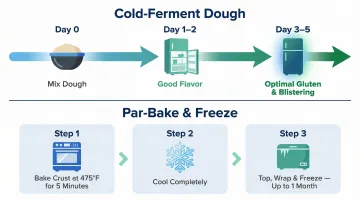
Plan ahead for better flavor and faster weeknights: Both the dough and the crust can be prepped well in advance:
- Cold-ferment the dough in the fridge for 24–48 hours for better flavor; 3–5 days optimizes gluten structure and blistering
- Par-bake crusts at 475°F for 5 minutes, cool completely, then top and freeze — they keep up to 1 month and bake directly from frozen, no thawing needed
Topping Ideas and Serving Suggestions
Once your pizza is ready, the fun doesn't stop at the base recipe. A few simple additions can take it from weeknight dinner to something worth showing off.
Creative Topping Combinations
Go beyond classic pepperoni with these crowd-pleasing variations:
- Spicy jalapeño and red onion for a sharp, fiery kick
- Roasted garlic and fresh basil — a Margherita-meets-pepperoni hybrid
- Vegan parmesan shavings and arugula for an Italian-restaurant finish
What to Serve Alongside
Pair your vegan pepperoni pizza with easy sides:
- Simple green salad with lemon vinaigrette
- Vegan garlic bread
- Roasted broccolini or cauliflower for a more complete meal
Dipping Sauces
Make pizza night even more fun with dipping sauces:
- Creamy vegan garlic sauce
- Spicy marinara
- Vegan ranch or cashew cream dip
How to Store and Reheat Leftovers
Storage
Let pizza cool fully before placing slices in an airtight container. Refrigerate for up to 3 days, or freeze individual slices separated by parchment paper for up to 1 month.
Reheating for Best Texture
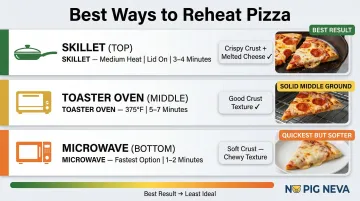
A skillet over medium heat gives the best results — place the slice in a dry pan, cover with a lid, and heat for 3–4 minutes using the skillet reheating method until the crust crisps on the bottom and the cheese re-melts. The microwave is faster but softens the crust, while a toaster oven at 375°F for 5–7 minutes is a solid middle ground.
Frequently Asked Questions
What is plant-based pepperoni pizza?
Plant-based pepperoni pizza is a fully animal-free take on the classic — using pepperoni made from ingredients like vital wheat gluten (seitan), tofu, or mushrooms — seasoned with the same smoky, spicy blend — alongside vegan cheese and sauce on a pizza crust.
What are vegan pepperoni ingredients?
Most vegan pepperoni is built on one of these bases:
- Seitan (vital wheat gluten) — seasoned with smoked paprika, fennel, garlic, red pepper flakes, and liquid smoke for a meaty texture
- Tofu — processed with the same spice blend as a gluten-free alternative
- Pea protein or mushroom — common in store-bought varieties
Can vegetarians eat pepperoni pizza?
Traditional pepperoni contains pork and beef, so it is not vegetarian-friendly. However, vegan pepperoni pizza made with plant-based pepperoni and dairy-free cheese is suitable for both vegetarians and vegans.
Can Muslims eat pepperoni?
Conventional pepperoni contains pork, which is not halal under Islamic dietary guidelines. Vegan pepperoni made entirely from plant-based ingredients contains no pork or meat, though you should check that the specific product carries halal certification if that matters to you.
What toppings go well on a vegan pepperoni pizza?
These toppings pair well with the smoky, spicy flavor of vegan pepperoni:
- Sliced jalapeños, red onion, and roasted garlic
- Vegan parmesan, fresh basil, and arugula
- Chili flakes, vegan hot honey, or balsamic glaze as a finishing drizzle