Introduction
Losing weight while eating satisfying, sustainable meals is a challenge many people face—especially when daily decision fatigue around food choices leads to impulsive orders or calorie-dense convenience foods. A 2025 meta-analysis of randomized controlled trials found that vegan diets reduced body weight by an average of 10.37 kg and BMI by 2.68 kg/m², demonstrating the powerful weight loss potential of plant-based eating.
Vegan meal prep removes that daily decision-making stress. By planning, cooking, and portioning meals in advance, you stay on track with your calorie goals without feeling deprived.
This guide covers the science behind why vegan diets work for weight loss, which foods to prioritize, the step-by-step prep process, and a practical 5-day sample plan. Whether you're new to meal prep or returning after a break, you'll have everything you need to start seeing results.
TLDR
- Vegan diets naturally support weight loss through high fiber and lower calorie density than animal-based diets
- Prioritize protein and fiber-rich whole foods — think tofu, lentils, tempeh, and edamame — in every prep session
- A repeatable five-step process — planning, recipe selection, shopping, cooking, and proper storage — keeps prep consistent
- Target 1–2 lbs per week through a modest calorie deficit; losing weight too fast usually stalls progress
- Batch cook staples (grains, legumes, roasted vegetables) for mix-and-match flexibility
Why Vegan Meal Prep Works for Weight Loss
Plant-based diets are naturally higher in fiber and lower in calorie density than diets that include animal products. This means you can eat a larger volume of food for fewer calories, making it easier to stay in a calorie deficit without feeling deprived. Research published in Nutrients confirms that whole-food plant-based diets naturally reduce caloric intake by providing greater food volume per calorie.
The Clinical Evidence
Clinical trials consistently show that plant-based diets reduce body fat and improve weight status in overweight individuals. In the 12-week VEGPREV randomized controlled trial, participants on a vegan diet experienced the most pronounced body weight reductions at –6.7% compared to other dietary patterns. The driver isn't restriction — it's the quality and volume of what you eat.
How Fiber Drives Weight Loss
Fiber is what makes vegan diets so effective for weight loss. It works through multiple mechanisms:
- Slows gastric emptying - Food stays in your stomach longer, keeping you full
- Stimulates satiety hormones - Triggers GLP-1 and PYY release, which signal fullness to your brain
- Reduces calorie intake - Studies show that consuming an additional 14g of fiber per day reduces overall energy intake by 10%
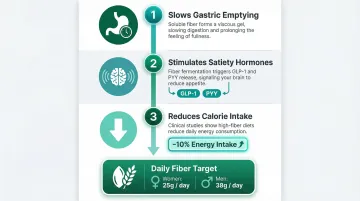
The Academy of Nutrition and Dietetics recommends 25g daily for women and 38g for men. A well-planned vegan diet makes hitting these targets achievable, whereas most omnivorous diets fall short.
The Behavioral Advantage of Meal Prep
Research from the NutriNet-Santé Study of over 40,000 adults found that meal planning is associated with higher adherence to nutritional guidelines, increased food variety, and lower odds of obesity. Having pre-portioned, ready-to-eat meals removes the temptation of impulsive food choices and restaurant orders.
Sustainable vs. Rapid Weight Loss
Healthy weight loss means 1–2 lbs per week through a modest calorie deficit. The Mayo Clinic and other authoritative bodies recommend this gradual approach because rapid weight loss triggers:
- Muscle loss - 20–40% of weight lost can come from lean mass when restricting calories too aggressively
- Metabolic slowdown - Your body adapts by burning fewer calories at rest
- Gallstone risk - Rapid weight loss significantly increases gallstone formation
- Nutritional deficiencies - Extreme restriction makes it nearly impossible to meet micronutrient needs
Targeting 1–2 lbs per week keeps muscle intact, metabolism stable, and results sustainable — which is exactly what vegan meal prep is designed to support.
Best Vegan Foods to Prioritize in Your Meal Prep
Three food categories do the most work in a weight-loss meal prep: high-protein plant foods, fiber-rich complex carbs, and micronutrient-dense produce. Getting each one right means staying full longer, maintaining muscle, and avoiding the energy crashes that derail healthy eating habits.
High-Protein Plant Foods
Protein increases satiety, requires more energy to digest (thermic effect of food), and preserves muscle mass during weight loss—all of which accelerate fat loss outcomes. The body expends 20–30% of protein's energy content during digestion, compared to just 5–10% for carbohydrates and 0–3% for fats.
Protein targets: Aim for approximately 0.8–1g per kg of body weight daily (higher if you're active). The International Society of Sports Nutrition recommends 1.4–2.0 g/kg/day for those training regularly to optimize adaptations and preserve lean mass.
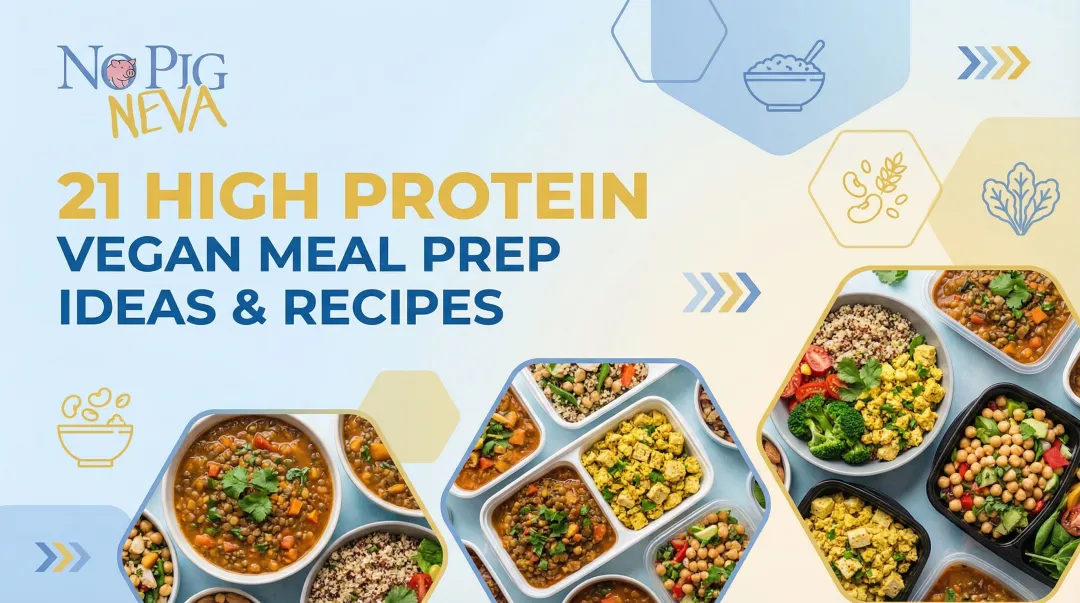
Best vegan protein sources for meal prep:
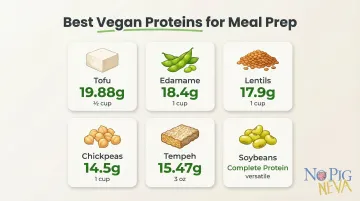
- Tofu (firm, raw) - 19.88g protein per ½ cup
- Cooked lentils - 17.9g protein per cup
- Edamame (cooked, shelled) - 18.4g protein per cup
- Tempeh (cooked) - 15.47g protein per 3 oz
- Cooked chickpeas - 14.5g protein per cup
- Soybeans and soy-based products - Versatile and high in complete protein
Plant-based meat alternatives are another convenient high-protein option. NoPigNeva carries a wide range of vegan protein products, including meat substitutes, seitan, and prepared plant-based chicken pieces — practical additions to any meal prep pantry.
Fiber-Rich Complex Carbohydrates
The best whole grains for meal prep include quinoa, brown rice, oats, barley, and whole wheat pasta. These provide sustained energy without blood sugar spikes and pair well with legumes to form complete protein profiles.
Glycemic index comparison:
| Grain | Glycemic Index | Classification |
|---|---|---|
| Pearled barley | 33–35 | Low |
| Steel-cut oats | 48 | Low |
| Brown rice | 50 | Low |
| Quinoa | 53 | Low |
| White bread (refined) | 66–78 | Medium-High |
| Instant oats | 83–87 | High |
Choosing low-GI grains over refined options keeps hunger more manageable between meals — a small swap with a meaningful impact on daily calorie intake.
Micronutrient-Dense Vegetables and Fruits
Prioritize vegetables that are calorie-light but nutrient-heavy:
- Spinach and kale bring iron and calcium with almost no caloric cost
- Broccoli, bok choy, and cauliflower add fiber and antioxidants that support recovery
- Bell peppers and sweet potato deliver vitamins A and C alongside natural sweetness
Fruits for weight loss: Whole fruits (not juice) provide fiber and antioxidants. Berries are a strong choice: they're low in sugar, dense in antioxidants, and work well in breakfast prep like overnight oats.
How to Set Up Your Vegan Meal Prep Routine (Step by Step)
Step 1: Plan Your Meals for the Week
Decide how many meals to prep (breakfast, lunch, dinner, snacks), how much variety you want, and whether you prefer cooking a full week upfront or doing two shorter prep sessions (Sunday + Wednesday). Match the plan to your schedule and skill level — not to complicated restaurant-style menus.
Planning considerations:
- Beginners: Start with 5 lunches and 5 dinners
- Intermediate: Add breakfasts and one snack
- Time-constrained: Focus on dinners only and keep breakfast/lunch simple
Step 2: Choose Weight-Loss-Friendly Recipes
Select recipes based on these criteria:
- Include protein, fiber, and healthy fat at every meal
- Prioritize whole foods over packaged or processed ingredients
- Choose recipes that hold up 3–4 days in the fridge without losing quality
- Stick to container-friendly formats: soups, grain bowls, stews, stir-fries
Foods that don't meal-prep well: Dressed salads (get soggy), cut fruit (oxidizes), crackers (lose crispness). Store dressings and crunchy toppings separately.
Step 3: Shop Smart — Build a Vegan Weight Loss Grocery List
Sample shopping list by category:
Proteins:
- Tofu, tempeh, lentils, chickpeas, edamame
- Fortified plant-based milk
Whole Grains:
- Quinoa, brown rice, oats
Vegetables:
- Spinach, broccoli, sweet potato, bell peppers
Fruits:
- Berries, apples, bananas
Healthy Fats:
- Nuts, seeds, nut butter, avocado
Flavor Builders:
- Herbs, spices, nutritional yeast, tamari
Money-saving tips:
- Buy dry legumes and grains in bulk
- Use frozen produce (equally nutritious, longer shelf life)
- Choose seasonal vegetables
- For hard-to-find specialty items like seitan, plant-based chicken, or vegan seafood alternatives, NoPigNeva ships nationwide with no minimum order — useful when local stores don't carry what you need
Step 4: Cook Efficiently
Time-saving strategies:
- Start with items that take longest (roasted vegetables, simmered lentils, cooked grains)
- Use one-pot recipes (soups, stews, grain bowls)
- Leverage an Instant Pot or slow cooker for hands-off cooking
- Use pre-cut or frozen produce to reduce prep time
Once you've cooked in bulk, how you store everything determines whether that effort actually saves you time — which is where Step 5 matters.
Step 5: Store and Label Meals Properly
Storage fundamentals:
- Refrigerate meals in airtight single-serving containers (last 3–4 days)
- Freeze portions for later in the week (last weeks to months)
- Label and date all frozen meals
- Store sauces/dressings separately to maintain texture
The USDA Food Safety and Inspection Service strictly states that cooked leftovers should only be stored in the refrigerator for 3 to 4 days maximum. Store meal containers on the top shelf, where temperature stays most consistent.
A Simple 5-Day Vegan Meal Prep Plan for Weight Loss
This sample framework provides approximately 1,400–1,600 calories per day. Individual calorie needs vary—adjust portions based on your goals and activity level.
5-Day Structure:
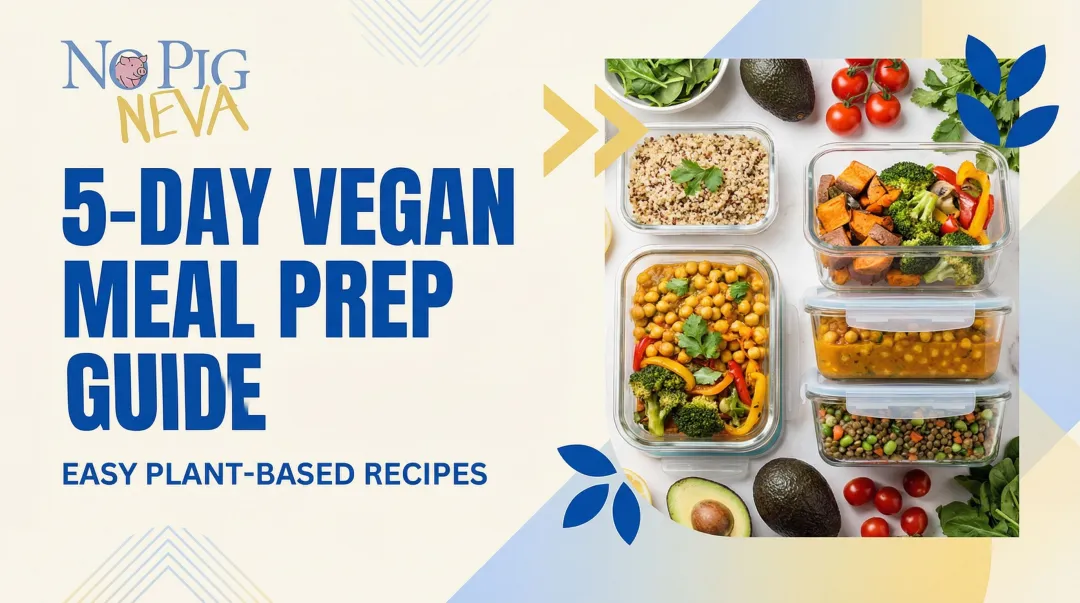
Breakfast: Overnight oats with berries and flaxseed Lunch: Lentil and roasted vegetable grain bowl Dinner: Chickpea and spinach curry with brown rice Snack: Apple with almond butter
Batch-Prep Instructions (Prep Day Workflow)
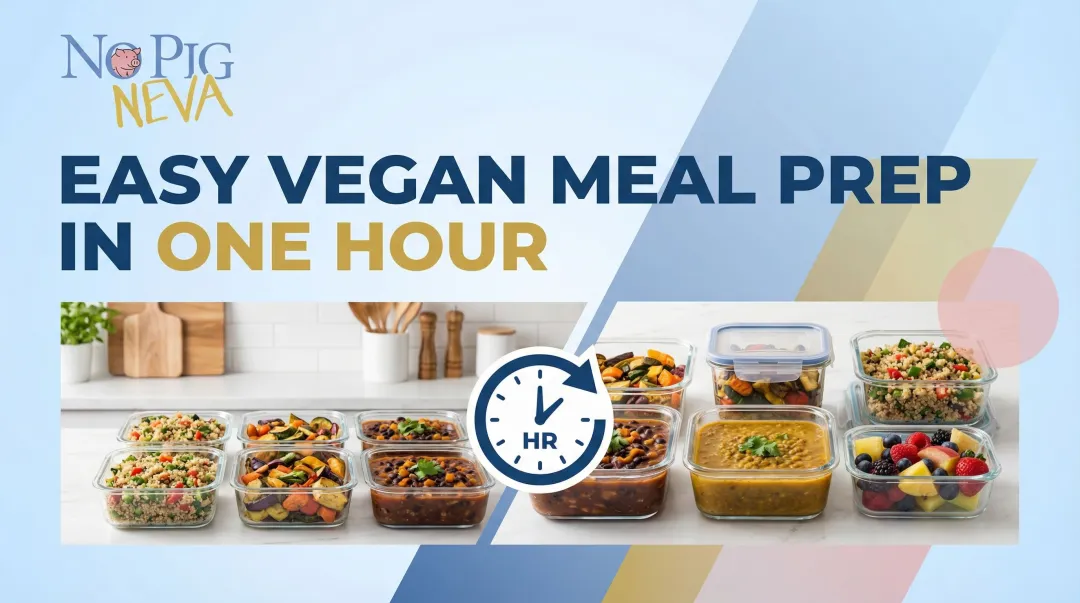
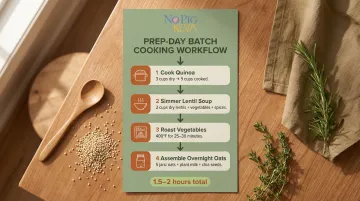
Total time: 1.5–2 hours
Cook on prep day:
- Large batch of quinoa (3 cups dry → 9 cups cooked)
- One pot of lentil soup (2 cups dry lentils + vegetables + spices)
- Roasted tray of vegetables (broccoli, bell peppers, sweet potato at 400°F for 25–30 minutes)
- Overnight oats in jars (5 jars: oats + plant milk + chia seeds, refrigerate)
Assembly:
- Divide quinoa, lentils, and roasted vegetables into 5 containers for lunch bowls
- Top with tahini dressing (whisk together, store in a sealed jar)
- Prepare chickpea curry base, divide into 5 containers with brown rice
- Portion apples and almond butter into snack containers
- Store overnight oats in individual jars
Everything keeps well for 4–5 days refrigerated—so Sunday prep covers you through Thursday with no daily cooking required.
Meal Prep Tips, Storage and Common Pitfalls
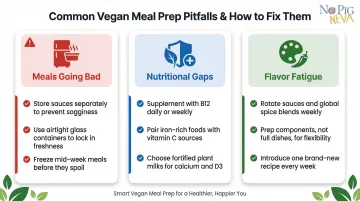
Most meal prep problems fall into three predictable categories: food spoilage, nutritional gaps, and flavor fatigue. Here's how to tackle each one.
Challenge: Meals Going Bad Before Day 4
Practical fixes:
- Store sauces separately to prevent sogginess
- Use single-serving airtight containers
- Keep meals on the top fridge shelf (most consistent temperature)
- Alternate between refrigerated and frozen meals throughout the week
Challenge: Nutritional Gaps on a Vegan Diet
Key micronutrients to monitor:
| Nutrient | Why It Matters | Food Sources | Strategy |
|---|---|---|---|
| Vitamin B12 | Not naturally in plant foods | Fortified cereals, nutritional yeast, plant milks | Supplementation recommended for all vegans |
| Iron | Lower bioavailability from plants | Lentils, chickpeas, spinach | Pair with vitamin C foods (bell peppers, citrus) to enhance absorption |
| Calcium | High-oxalate greens limit absorption | Fortified plant milks, calcium-set tofu, broccoli, kale | Choose low-oxalate greens; avoid relying solely on spinach |
| Vitamin D | Limited natural food sources | UV-exposed mushrooms, fortified plant milks | Consider supplementation, especially in winter |
NoPigNeva stocks a range of vegan dairy alternatives — including plant-based cheeses and milks — that make it easier to incorporate these nutrients through everyday meals rather than relying on plain whole foods alone.
Challenge: Getting Bored With Meals
Practical fixes:
- Keep a rotating pantry of sauces and spice blends
- Prep components (a grain, a protein, a vegetable) rather than complete dishes to mix and match daily
- Incorporate one new recipe per week to gradually expand your repertoire
- Try different cuisines (Mexican, Asian, Mediterranean) using the same base ingredients
Frequently Asked Questions
How many calories should I eat per day on a vegan meal prep plan for weight loss?
Calorie needs vary by body weight, age, activity level, and goals, but a modest deficit of 300–500 calories below maintenance is a sustainable starting point. This typically results in the recommended 1–2 lb per week weight loss. Track with an app initially to establish your baseline and adjust as needed.
What vegan proteins are best for weight loss meal prep?
The top options are lentils, chickpeas, tofu, tempeh, edamame, and black beans. These are high in both protein and fiber, which together make them ideal for satiety and calorie control while preserving muscle mass during weight loss.
How long does vegan meal prep last in the fridge?
Most cooked vegan meals last 3–4 days in the fridge when stored in airtight containers. For meals needed later in the week, freeze them immediately after cooking and move to the fridge the night before to thaw safely.
Is vegan meal prep expensive?
Plant-based staples like lentils, beans, oats, and rice are among the most affordable foods in the grocery store. Economic analyses confirm that pulses are the lowest-cost protein sources available. Costs increase with processed vegan items, so focusing on whole foods and buying dry goods in bulk keeps expenses low.
How do I avoid nutritional deficiencies when meal prepping vegan for weight loss?
Focus on four key nutrients: B12, iron, calcium, and vitamin D. A B12 supplement is recommended for all vegans regardless of diet quality. Round out the rest by pairing iron-rich foods with vitamin C, choosing fortified plant milks, and supplementing vitamin D if sun exposure is limited.
Can I lose belly fat specifically with vegan meal prep?
Spot reduction is a myth: no diet targets fat loss from specific areas. That said, a whole-food vegan diet high in fiber and protein supports overall fat loss. The consistency that meal prep builds is one of the most reliable ways to maintain a calorie deficit long-term.