Introduction
Nearly 90% of U.S. adults incorrectly believe they need animal products to meet their protein needs, according to a 2025 survey by the Physicians Committee for Responsible Medicine. This misconception is the #1 barrier for people considering a plant-based diet—despite 59% of U.S. households already buying plant-based foods.
Meeting protein targets on a vegan diet is entirely achievable — and for most people, straightforward. High-protein vegan meal prep combines batch cooking with nutrient-dense plant foods like tofu, tempeh, lentils, and seitan. Below, you'll find 21 prep-friendly recipes organized by meal type, plus a guide to the best plant-based protein sources for your pantry.
TL;DR
- Tofu, tempeh, lentils, chickpeas, seitan, and edamame easily meet daily protein needs
- Batch meal prep saves time, reduces food waste, and keeps protein-rich meals ready all week
- Recipes span breakfast, lunch, and dinner — 21 ideas total — for straightforward weekly planning
- Most recipes deliver 20–30g protein per serving and last 3–5 days refrigerated or 3 months frozen
Top Plant-Based Protein Sources to Stock Up On
Building a high-protein vegan pantry starts with understanding which ingredients deliver the most protein per serving. Here's your essential shopping list:
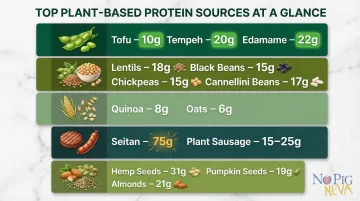
Soy Products (Highest Protein Density):
- Extra-firm tofu: 10g protein per 100g
- Tempeh: 20g protein per 100g
- Edamame (shelled, cooked): 22g protein per cup
Legumes (Fiber + Protein Powerhouses):
- Green or brown lentils: 18g protein per cooked cup
- Chickpeas: 15g protein per cooked cup
- Black beans: 15g protein per cooked cup
- White cannellini beans: 17g protein per cooked cup
Grains (Complete Amino Acid Boosters):
- Quinoa: 8g protein per cooked cup
- Rolled oats: 6g protein per cooked cup
Vegan Meat Alternatives:
- Seitan (vital wheat gluten): 75g protein per 100g
- Plant-based sausages and grounds: 15–25g protein per serving
Complete Protein Throughout the Day
The Academy of Nutrition and Dietetics confirms that eating a variety of plant proteins over the course of a day supplies all essential amino acids—you don't need to combine them in a single meal. That said, pairing grains with legumes—like rice and lentils or quinoa and black beans—naturally rounds out your amino acid profile and keeps meals filling.
Where to Find Specialty Proteins
While tofu and lentils are easy to find locally, specialty items like seitan and plant-based sausages can be harder to source. NoPigNeva stocks a full selection of 100% vegan, non-GMO products—from meat alternatives and pantry staples to specialty proteins—with free nationwide shipping on orders over $99.99, so you can build your high-protein pantry from a single source.
High Protein Vegan Meal Prep Breakfast Ideas
Tofu Scramble Meal Prep Bowls
Crumbled extra-firm tofu cooked with turmeric, black salt (kala namak), nutritional yeast, bell peppers, and spinach creates a solid scrambled-egg alternative. A 150–170g serving delivers 15–17g protein.
Make a large batch Sunday and portion into containers with whole-grain toast or roasted potatoes. Reheats in 2 minutes.
High-Protein Overnight Oats with Hemp & Chia
Layer rolled oats soaked overnight in plant milk with hemp seeds, chia seeds, peanut butter, and banana slices. Hemp seeds add 9.5g protein per 3 tablespoons, while chia seeds contribute 3.4g per 2 tablespoons—a combined 13g protein boost before counting the oats.
Prepare 5 jars at once on Sunday. They keep all week in the fridge with no reheating needed.
Tempeh Breakfast Hash
Crumbled tempeh cooked with diced sweet potatoes, onions, and smoked paprika makes a filling, high-protein breakfast. At 20g protein per 100g, tempeh is one of the densest plant-based protein sources available.
It stores well for 4 days and reheats best in a skillet to keep the texture intact.
Chickpea Flour Frittata Slices
A baked chickpea flour "egg" base loaded with sun-dried tomatoes, olives, and spinach cuts into grab-and-go slices. Chickpea flour provides both protein and fiber in one ingredient.
Bake in a sheet pan, slice into portions, and freeze individually for up to 1 month.
Pea Protein Smoothie Packs
Pre-portion smoothie ingredients—frozen spinach, berries, banana, flaxseed—into zip-lock bags. At blend time, add plant milk and a scoop of pea protein powder (27g protein per 30g scoop).
Zero cook time, fully freezer-stable, and great for post-workout mornings.
At a glance — protein per breakfast option:
| Recipe | Protein Estimate |
|---|---|
| Tofu Scramble Bowl | 15–17g per serving |
| Overnight Oats (hemp + chia) | 13g+ before oats |
| Tempeh Breakfast Hash | 20g per 100g tempeh |
| Chickpea Flour Frittata | Varies by slice size |
| Pea Protein Smoothie | 27g per scoop |
High Protein Vegan Meal Prep Lunch Ideas
Speedy Chickpea Salad Wraps
Mash chickpeas with vegan mayo, diced pickles, mustard, and nutritional yeast. Serve in whole-wheat wraps or lettuce cups. One cup of chickpeas provides 15g protein.
Make the filling in bulk and store separately from wraps for up to 5 days to prevent sogginess.
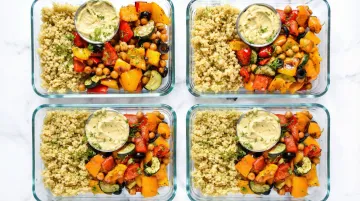
Lentil & Quinoa Power Bowls
Combine cooked green lentils and quinoa topped with roasted vegetables (zucchini, red onion, cherry tomatoes) and lemon-tahini dressing. This pairing creates a complete amino acid profile with 13g protein per bowl.
Both lentils and quinoa are excellent standalone staples — cook them in bulk at the start of the week and mix-and-match throughout.
Black Bean Burrito Bowls
Layer brown rice with spiced black beans, corn, pico de gallo, sliced avocado, and a lime-cumin drizzle. Black beans deliver 15g protein plus 15g fiber per cup.
Store each component separately and assemble before eating. Keep avocado with a squeeze of lime juice to prevent browning.
Tempeh Buddha Bowl
Marinated, pan-seared tempeh slices served over brown rice or farro with shredded purple cabbage, shredded carrots, cucumber, and sesame-ginger dressing.
Marinate tempeh the night before for deeper flavor, and batch-cook the grain base for the whole week at the same time.
Edamame & Avocado Salad Jars
Layer mason jars with cooked edamame (22g protein per cup), diced avocado, red onion, cucumber, and chopped cilantro dressed with lemon juice and olive oil.
Layer dressing at the bottom and leafy greens at the top so the salad stays crisp for up to 3 days.
Seitan Stir-Fry with Brown Rice
Thinly sliced seitan stir-fried with broccoli, snap peas, bell peppers, and a soy-ginger-garlic sauce served over brown rice. Seitan is one of the highest plant-based protein sources available.
Cook a large batch of brown rice at the start of the week. The stir-fry keeps well for 4 days and reheats best in a hot skillet with a splash of water.
White Bean & Kale Soup
A hearty, one-pot soup with white cannellini beans (17g protein per cup), chopped kale, diced tomatoes, vegetable broth, rosemary, and garlic.
This soup is freezer-friendly and improves in flavor after 24 hours. Make a large pot and freeze half in individual portions.
Crispy Tofu Noodle Bowl with Peanut Sauce
Press and coat extra-firm tofu in cornstarch, then pan-fry until golden. Serve over soba noodles with shredded cabbage, carrots, and a creamy peanut-ginger-tamari sauce.
Store the sauce separately and drizzle over portions before eating. Baked tofu can be pre-made in bulk and refrigerated for 5 days.
High Protein Vegan Meal Prep Dinner Ideas
Red Lentil Dal
Creamy, spiced red lentils simmered with canned tomatoes, coconut milk, cumin, turmeric, and garam masala, served with basmati rice or naan. Red lentils cook in under 25 minutes with no soaking and deliver 22g protein per serving.
A single batch yields 4–6 portions and keeps well in the fridge for up to 5 days — ideal for Sunday prep.
Vegan Sausage & Vegetable Sheet Pan Dinner
Sliced vegan sausages roasted alongside bell peppers, zucchini, red onion, and cherry tomatoes with olive oil and Italian seasoning on a single sheet pan. Everything roasts on one pan in about 30 minutes, making cleanup straightforward.
High-quality vegan sausages—like those available from NoPigNeva—can be the easiest way to boost protein in a weeknight dinner without complicated prep. Pair with quinoa or white beans for extra protein.
High-Protein Vegan Chili
A thick, smoky chili made with black beans, green lentils, kidney beans, canned tomatoes, chipotle peppers, cumin, and chili powder. This bean-and-lentil combination delivers approximately 24g protein per bowl.
Prep tip: Chili is one of the best freezer meals. Make a double batch, portion into freezer-safe containers, and it keeps for up to 3 months, and the flavor deepens overnight.
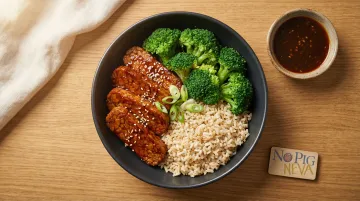
Teriyaki Tempeh with Broccoli & Rice
Tempeh marinated in homemade teriyaki sauce (soy sauce, maple syrup, garlic, ginger) and baked or pan-seared, served alongside steamed broccoli and brown rice.
Baking tempeh gives it a firmer, meatier texture that holds up well in meal prep containers — stores in the fridge for up to 4 days.
Chickpea Tikka Masala
A rich tomato-and-coconut-milk curry loaded with chickpeas and spinach, spiced with garam masala, coriander, and cumin. Easily batch-cooked in a Dutch oven or Instant Pot.
Prep tip: Serve over rice or with naan. The curry base freezes well and chickpeas maintain their texture better than tofu in saucy dishes.
Tofu & Veggie Green Curry
Extra-firm tofu cubed and simmered in Thai-style green curry paste and coconut milk with bell peppers, snap peas, and bamboo shoots over jasmine rice. Add edamame on top for an extra 4g protein per half-cup.
Use canned coconut milk for convenience, and store the curry base and rice in separate containers to prevent sogginess.
Seitan Tacos with Cabbage Slaw
Seasoned, crumbled or sliced seitan cooked with taco spices (cumin, smoked paprika, chili powder) served in corn tortillas with quick lime-dressed cabbage slaw and pickled jalapeños.
Store the seitan filling, slaw, and tortillas separately and assemble fresh — the filling keeps 4 days, making it a solid option for a quick end-of-week dinner.
Stuffed Bell Peppers with Quinoa & Black Beans
Halved bell peppers filled with cooked quinoa, black beans, corn, diced tomatoes, cumin, and smoked paprika, topped with nutritional yeast and baked until tender. Each stuffed pepper half provides approximately 6g protein.
Assemble raw and refrigerate up to 24 hours before baking, or bake in advance and reheat throughout the week.
Meal Prep Tips to Hit Your Protein Goals
Getting enough protein on a plant-based diet comes down to planning. These three principles make it easier to hit your targets without cooking from scratch every day.
Build Around a Protein Anchor
Structure each meal prep container around a primary protein source—tofu, tempeh, legumes, or seitan—targeting 20–30g per meal. The International Society of Sports Nutrition recommends 1.4–2.0g protein per kg of body weight daily for active adults (compared to the general RDA of 0.8g/kg).
Storage Tips That Save Time All Week
- Cook grains in bulk at the start of the week—they keep 5 days refrigerated
- Label containers with the date and protein content per serving
- Use the freezer strategically for soups, chilis, and curries instead of keeping everything refrigerated
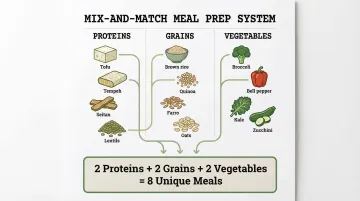
Prevent Meal Fatigue with Mix-and-Match Components
Batch-cook a grain, a protein, and two vegetables separately, then mix and match combinations across the week. Two proteins, two grains, and two vegetables gives you up to eight distinct meal combinations from a single prep session.
Frequently Asked Questions
How can a vegan get 100g of protein a day?
Combine high-density sources across meals: tofu or tempeh at two meals (~40g), legumes at one meal (~15g), and additions like hemp seeds, edamame, or a pea protein smoothie for the remainder. This target is most relevant for active individuals — exact needs vary by body weight.
What plant-based meals are high in protein?
The strongest options include seitan-based dishes, lentil dal, tempeh bowls, tofu stir-fries, chickpea curries, and black bean chili. Combining legumes with grains (like rice and lentils) naturally creates complete, high-protein meals.
How to get 30 grams of protein in a vegan meal?
One reliable formula: 4 oz tempeh (~21g) + ½ cup cooked lentils (~9g) hits ~30g in a single bowl. Alternatively, layering 1 cup edamame (~17g) with 3 oz seitan (~21g) in a grain bowl gets you there just as easily.
Is pea protein a good substitute for meat?
Pea protein isolate is a complete protein whose leucine content supports muscle synthesis, making it one of the strongest plant-based alternatives to whey. That said, it works best in powders and shakes — for texture and whole-food eating, seitan or tempeh are better substitutes for meat.
What is a good plant-based dinner?
Strong options from a protein and satiety standpoint include chickpea tikka masala with basmati rice, teriyaki tempeh with broccoli, or high-protein vegan chili. Pairing a legume or soy protein with a complex carb maximizes both protein and staying power.
What vegan food has the most protein but low carbs?
Seitan leads at 75g protein per 100g with only 14g carbs, followed by extra-firm tofu (10g protein per 100g with just 1.2g carbs), tempeh, and edamame. Most legumes are higher in carbs, so those pursuing low-carb vegan eating should prioritize soy-based proteins and seitan.