Introduction: Why One Hour Is All You Need for Vegan Meal Prep
You've been there: standing in front of the fridge after a long day, staring at random vegetables and half-empty containers, only to default to takeout or another bowl of plain pasta. The problem usually isn't motivation — it's not having a system in place. With 30% of Americans ordering takeout at least once a week and the average person spending just 39 minutes preparing food on weekdays, the gap between intention and execution is real.
One focused prep hour changes that equation entirely. Instead of preparing five complete meals that get boring by Wednesday, spend that hour prepping modular building blocks: grains, proteins, roasted vegetables, and sauces. These components mix and match into dozens of combinations throughout the week, keeping meals varied without cooking from scratch every night.
This guide will show you exactly how to structure that prep hour, which five core components to make, and how to turn them into a week of varied, satisfying plant-based meals.
TLDR: Your One-Hour Vegan Meal Prep at a Glance
- One hour on the weekend eliminates weeknight cooking stress for 4–5 days
- Build flexibility by prepping components (grains, proteins, veggies, sauce) instead of full meals
- Start with the longest-cooking items, then layer in faster tasks while they run
- Store components separately to keep meals feeling fresh and customizable all week
- Keep specialty vegan proteins — like plant-based meat and seafood alternatives — stocked ahead of time so prep stays uninterrupted
Before You Start: Setting Up for a Successful Prep Hour
The 5-Minute Pre-Prep Setup
Before the timer starts, spend five minutes laying out everything you need. This prevents the time drain of hunting for ingredients mid-prep.
Your counter should have all ingredients measured and ready, storage containers stacked nearby, and equipment within arm's reach. Skip this step and a 60-minute session easily stretches to 90.
Essential Equipment for Speed
You don't need specialty tools, but these items speed up the process:
- Large sheet pan for roasting vegetables
- Medium or large pot for grains and legumes
- Food processor or high-speed blender for sauces
- Airtight glass containers for storage
- Veggie chopper (optional but saves 10+ minutes on bulk prep)
Pantry and Shopping Checklist
The real time-saver is maintaining a stocked pantry of shelf-stable staples: canned legumes, dry grains, frozen vegetables, plant-based broth, tahini, and soy sauce. Keep this stocked and you eliminate most last-minute grocery runs.
For specialty items your local store may not carry — plant-based seafood, seasoned meat alternatives, dairy-free cheese — order ahead from NoPigNeva, a curated online vegan grocer that ships nationwide. Deliveries arrive at your door, so nothing disrupts your prep hour.
The One-Hour Vegan Meal Prep Strategy: Working Smarter, Not Faster
The Core Principle: Interlacing Tasks
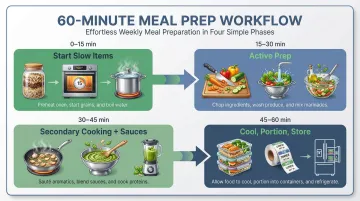
The secret to fitting everything into 60 minutes is "interlacing"—stacking tasks so that while grains simmer and vegetables roast, your hands are free for chopping and blending sauces. The hour naturally divides into four 15-minute phases.
Minutes 0–15: Get the Slow Items Going
Start with anything requiring passive cook time. Put grains on the stove, slide a sheet pan of vegetables into the oven, or start legumes simmering. These run hands-free once started, freeing you for everything else.
Minutes 15–30: Active Prep
This is the busiest window. Focus on hands-on work that needs your full attention:
- Chop additional vegetables
- Drain and rinse canned legumes
- Mix marinades or spice blends
- Prep any protein component
Minutes 30–45: Secondary Cooking + Sauce Making
Start any secondary cooking while your sauce comes together in the blender or food processor:
- Sauté a vegan protein or tempeh
- Toast nuts or seeds for crunch
- Cook a second grain if needed
One well-made sauce does more for your week than almost anything else — it transforms the same base ingredients into completely different meals across five days.
Minutes 45–60: Cool, Portion, and Store
Take items off heat and let them cool slightly before portioning into containers. Storing food while still hot creates condensation that shortens shelf life. Label each container with the date and what's inside — a 10-second habit that prevents the "mystery container" problem mid-week.
5 Vegan Meal Prep Building Blocks to Make in One Hour
Instead of prepping five complete meals (exhausting and repetitive), prep five base components that mix and match into 10–15 different combinations. This is what keeps vegan meal prep from feeling boring.
Whole Grain Base
Choose one grain as your weekly anchor. Quinoa cooks in 12–15 minutes, pearled farro in 15–20 minutes, brown rice in 25–45 minutes, and millet in 25–35 minutes. One cup of dry quinoa yields three cups cooked—enough for multiple lunches and dinners. Grains reheat well and work both warm and cold, making them the most versatile building block.
Roasted Vegetables
Roasting two or three vegetables simultaneously is the highest-volume, lowest-effort component. Rough cook times by vegetable type:
- 20–25 min at 475°F–500°F: Broccoli, bell peppers, zucchini, cauliflower, cherry tomatoes
- 30–40 min at 375°F–425°F: Sweet potatoes, carrots, beets
High-heat roasting matters for both flavor and nutrition. Boiling broccoli causes a 33% to 38% loss of water-soluble Vitamin C, while roasting preserves significantly more nutrients. Plus, rapid browning prevents the sulfurous smell that develops when brassicas cook too slowly.
Plant-Based Protein Component
Prep two protein options for flexibility:
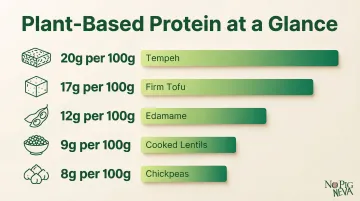
Baked tofu, pan-seared tempeh, or a batch of lentils and chickpeas give you whole-food options with solid protein counts: tempeh at 20g per 100g, firm tofu at 17g, and cooked lentils at 9g.
For faster prep days, store-bought plant proteins — seasoned ground meat, sausage crumbles, shredded plant protein — save real time. NoPigNeva carries ready-to-use options like all-natural seitan and vegan seafood alternatives that need minimal cooking.
Swapping your protein mid-week is the easiest way to keep meals from feeling repetitive.
Versatile Sauce or Dressing
One great sauce does more than two average recipes. A single batch of tahini-lemon dressing, peanut sauce, or chipotle vinaigrette makes the same bowl of grains and vegetables taste completely different each day.
To keep sauces from separating, use a 2:1 ratio of extra-virgin olive oil to vegetable oil with a small amount of mustard or vegan mayo as a stabilizer. Most last 5–7 days in a sealed jar — but if you add fresh garlic, use within 4 days to prevent botulism risk.
Ready-to-Grab Snacks or Extras
Round out your week with a fifth component that takes 5–10 minutes: energy bites (dates, nuts, and oats processed together), hummus, or a simple bean salad. This eliminates mid-day snack scrambling and prevents reaching for ultra-processed options.
How to Turn Your Building Blocks Into a Week of Meals
Sample 5-Day Meal Plan Using Your Building Blocks
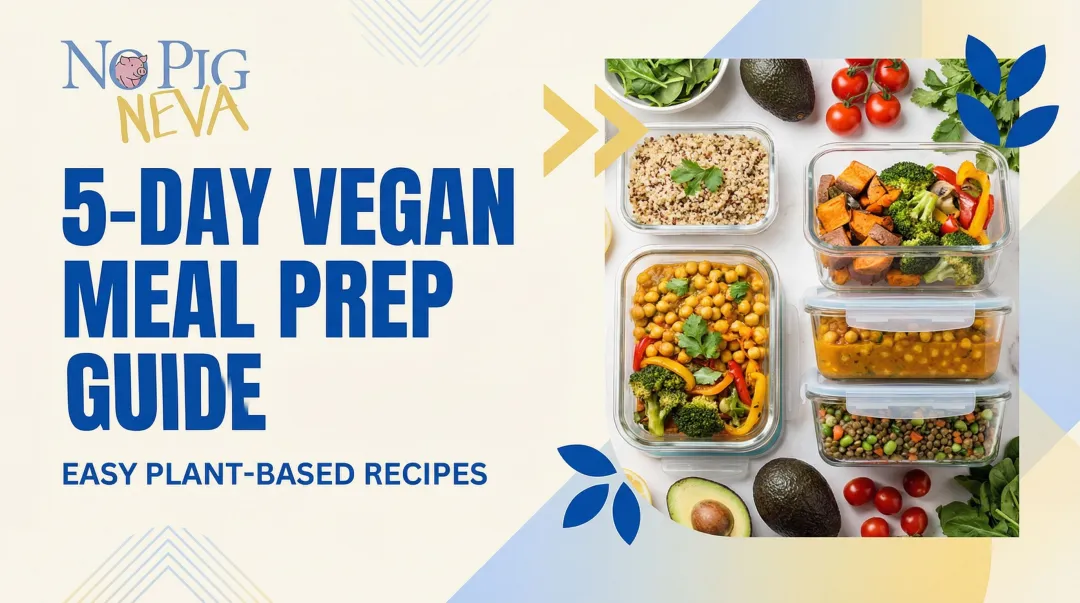
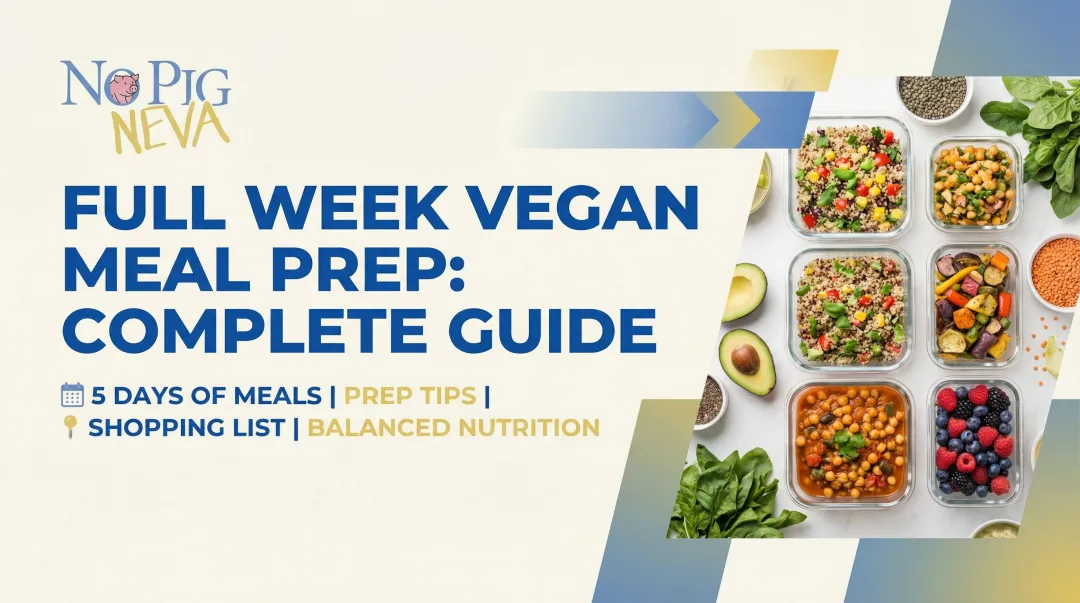
Monday: Grain bowl with roasted vegetables, lentils, and tahini dressing Tuesday: Wrap with the same grain base, leftover roasted veggies, and a different protein Wednesday: Cold grain salad with fresh toppings and a new sauce Thursday: Warm stir-fry using the same components, heated and tossed together Friday: Soup base using leftover lentils, grains, and roasted vegetables with broth
Five different meals, zero additional cooking sessions. The variation comes entirely from how you combine and serve what you've already prepped.
Keeping Meals Fresh Across the Week
Small assembly choices keep meals from feeling repetitive all week:
- Rotate sauces (tahini one day, a vinaigrette or chili oil the next)
- Add different raw toppings like avocado, pickled onion, or fresh herbs
- Serve components at different temperatures (cold grain salad vs. warm stir-fry)
- Finish bowls with a squeeze of citrus or a handful of crunchy seeds
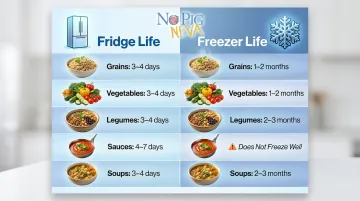
Fridge vs. Freezer Storage Logic
| Component | Fridge Life | Freezes Well? | Freezer Quality Life |
|---|---|---|---|
| Cooked grains | 3–4 days | Yes | 1–2 months |
| Roasted vegetables | 3–4 days | Yes (roots only) | 1–2 months |
| Cooked legumes | 3–4 days | Yes | 2–3 months |
| Fresh sauces | 4–7 days | No | Does not freeze well |
| Soups & stews | 3–4 days | Yes | 2–3 months |
According to USDA guidelines, most cooked components last 3–4 days refrigerated. Grains and legumes freeze exceptionally well for longer-term planning.
Portion Sizing for Different Household Sizes
The same one-hour prep scales easily: a single person uses smaller batches and fewer containers, while a family doubles the grain and adds a second sheet pan of vegetables. Either way, the time commitment stays about the same.
Tips to Make Your Vegan Meal Prep Even Faster Over Time
Build a Core Rotation
The first prep session will always be the slowest—decision fatigue and unfamiliar recipes slow everything down. Settle on a core rotation of 3–4 building block combinations you make every 1–2 weeks. By week three or four, you'll move through the steps without thinking, and your actual hands-on time will shrink noticeably.
Strategic Use of Convenience Items
Certain shortcuts can shave 15–20 minutes off your prep without sacrificing quality:
- Frozen pre-chopped vegetables
- Canned lentils and beans (no soaking required)
- Pre-cooked grain pouches
- Ready-made sauces and marinades
Time constraints are the top barrier to home cooking for most Americans, so leaning on these items when needed is practical, not lazy.
Double-Batch While the Oven Is Already On
If the oven is already on, roast double the vegetables. The extra half takes zero additional active time and goes directly into the freezer. Over a few weeks, that habit builds a freezer reserve that turns a chaotic Tuesday into a 10-minute dinner.
Frequently Asked Questions
What are the best foods to meal prep for a vegan diet?
The foundation includes whole grains (quinoa, rice, farro), legumes (lentils, chickpeas, black beans), roasted vegetables, tofu or tempeh, and versatile sauces. These components are nutritionally complete, store well, and mix into dozens of combinations throughout the week.
How long does vegan meal prep last in the fridge?
Most cooked components—grains, roasted vegetables, and legumes—last 3–4 days refrigerated in airtight containers at 40°F or below. Sauces last up to 7 days, except those with fresh garlic, which should be used within 4 days. Always label containers with prep dates.
Can you get enough protein from one-hour vegan meal prep?
Yes. A well-planned prep easily meets the adult daily requirement of 0.8g protein per kilogram of body weight. High-protein staples to include:
- Tempeh — 33.7g per cup
- Tofu — 21.8g per half cup
- Edamame — 18.4g per cup
- Lentils — 17.9g per cup
- Chickpeas — 14.5g per cup
Do I need special equipment for vegan meal prep?
No specialized equipment is required, but a sheet pan, large pot, food processor, and airtight containers make the process faster and easier. A veggie chopper is a notable time-saver for bulk vegetable work, cutting prep time by 10+ minutes.
Is vegan meal prep good for weight loss?
Prepping whole-food plant-based meals reduces dependence on processed or takeout options and keeps nutrient-dense food within easy reach. Research shows that plant-based diets lead to significant reductions in body weight and fat mass.
Can I freeze vegan meal prep?
Grains, cooked legumes, soups, stews, and roasted root vegetables all freeze well for up to 3 months at 0°F. Fresh sauces, leafy greens, and raw vegetables are best consumed from the fridge rather than frozen, as freezing damages their texture and flavor.