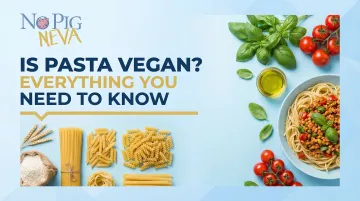
This guide covers everything you need to know: the difference between dried and fresh pasta, hidden non-vegan ingredients, how to read labels confidently, which sauces to avoid, and the best vegan alternatives available today.
TLDR
- Most dried pasta (spaghetti, penne, fusilli) is vegan—made from semolina and water only
- Fresh pasta typically contains eggs and is not vegan
- Stuffed pastas (ravioli, tortellini) often contain eggs or dairy in both dough and filling
- Always check labels for eggs, milk, cheese, and squid ink
- Tomato-based sauces are usually vegan
- Creamy sauces and traditional pesto are not
Is Pasta Vegan? The Short Answer (Dried vs. Fresh)
Most pasta is vegan — but the type matters. Dried pasta and fresh pasta have very different ingredient lists, so knowing which you're dealing with makes all the difference.
Dried Pasta: Usually Vegan
Traditional dried pasta is made from just two ingredients: durum wheat semolina and water. No eggs, no dairy — just grain and water. According to FDA standards for macaroni products, dried pasta must be prepared by drying formed units of dough made from semolina, durum flour, or farina combined with water.
Common vegan-friendly dried pasta shapes include spaghetti, penne, fusilli, farfalle, rigatoni, fettuccine, and linguine.
Important exception: Dried lasagne sheets are a notable outlier. Many brands add eggs to improve structure and binding, especially "oven-ready" or "no-boil" varieties. Even when buying boxed dried pasta, always check lasagne sheets specifically.
Fresh Pasta: Usually NOT Vegan
Fresh pasta—found in the refrigerated aisle or made in-house at Italian restaurants—is traditionally made with eggs, flour, water, and salt. The egg acts as a binding agent and gives fresh pasta its characteristic rich yellow color and silky texture.
Stuffed fresh pastas add another layer of concern on top of egg-based dough:
- The dough often contains eggs
- The filling frequently includes cheese (ricotta, Parmesan, pecorino) or meat
This makes ravioli, tortellini, and cappelletti non-vegan by default unless explicitly labeled otherwise. Traditional stuffed pasta recipes rely heavily on dairy-rich fillings, with commercial examples like Buitoni's Four Cheese Ravioli featuring egg doughs stuffed with ricotta, mozzarella, and Parmesan.
Restaurant tip: When dining out, always ask whether pasta is house-made or dried. Traditional Italian restaurants almost always use egg-based fresh pasta for house-made dishes — so if the answer is "house-made," ask the follow-up: does the dough contain eggs?
Which Pasta Ingredients Are Not Vegan?
Even when pasta looks plain, certain ingredients can make it non-vegan—and some are less obvious than others. Here's your practical "watch list" for ingredient label scanning.
Eggs
Eggs are the most common non-vegan ingredient in pasta. They appear in:
- Fresh pasta dough
- Stuffed pastas (ravioli, tortellini, cappelletti)
- Dried egg noodles (labeled "egg pasta" or "pasta all'uovo")
- Many lasagne sheets, especially oven-ready varieties
In the US, eggs are a top allergen and must be clearly declared on labels, making them easy to spot on the label.
Dairy and Cheese
Dairy appears primarily in stuffed pasta fillings but also shows up in enriched or flavored varieties. Watch for:
- Ricotta, Parmesan, pecorino, mozzarella (in fillings)
- Whey and lactose (flavor enhancers or binders)
- Milk powder (in some specialty pastas)
Like eggs, dairy ingredients must be bolded or clearly declared as allergens on US food labels.
Squid Ink
Squid ink (nero di seppia) is used to color pasta black, commonly found in specialty seafood pasta. Unlike eggs or milk, squid ink may not always be bolded as an allergen because the FDA does not classify molluscan shellfish as major food allergens. This means you'll need to read the full ingredients list carefully—squid ink won't trigger a "Contains: Shellfish" warning.
Hidden or Enriched Additives
Beyond visible ingredients, some pasta products—especially enriched or fortified varieties—may include animal-derived additives. One notable example: Vitamin D3 added to enriched pasta is predominantly derived from lanolin (sheep's wool grease), making most fortified pastas non-vegan unless the manufacturer explicitly uses plant-based D3 sourced from lichen.
How to Tell If Pasta Is Vegan: Labels, Stores, and Restaurants
Finding vegan pasta isn't difficult once you know where to look — and what questions to ask.
Reading Labels in the Grocery Store
Start with the ingredients list. Look for:
- Eggs (whole eggs, egg whites, egg yolks)
- Milk, whey, lactose, cheese
- Squid ink
- Vitamin D3 (if you follow a strict vegan diet)
In the US, eggs and dairy are top allergens and must be clearly declared. Many products also carry explicit "vegan," "plant-based," or "egg-free" labels that make identification easier.
Common label terms to know:
- "Vegan certified" or "Certified Vegan" logo — Highest confidence; product meets strict vegan standards
- "Plant-based" — Generally indicates no animal products, but not a regulated term
- "Egg-free" — Signals suitability, but doesn't guarantee no dairy
An absence of these labels doesn't mean a product isn't vegan—always cross-check the ingredients list.
High-risk areas: Refrigerated and specialty pasta sections are where egg-containing products are most concentrated. Dried pasta on regular shelves is much more likely to be vegan.
Grocery shopping gives you time to read labels carefully. Dining out is a different story.
Navigating Restaurants
When eating out, ask your server:
- "Is your pasta house-made or dried?"
- "Does the pasta contain eggs?"
- "Can I see the allergen or ingredient sheet?"
Always confirm both the pasta and the sauce. Sauces like Alfredo and carbonara are traditionally non-vegan even when the pasta itself is fine.
At traditional Italian restaurants, house-made pasta is almost always egg-based, so asking is non-negotiable for strict vegans.
What About Pasta Sauces and Pesto?
Even perfectly vegan pasta can become non-vegan with the wrong sauce. Many beloved pasta sauces contain hidden dairy, eggs, or meat, so it's worth checking the sauce just as carefully as the pasta itself.
Tomato-Based Sauces: Usually Vegan
Marinara, arrabbiata, and pomodoro sauces are generally vegan, made from tomatoes, garlic, olive oil, and basil. However, always check for:
- Added meat (ground beef, sausage, pancetta)
- Butter or cream (some restaurants add cream or butter to tomato sauces)
- Parmesan cheese (sometimes stirred in at the end)
Creamy Sauces: Usually NOT Vegan
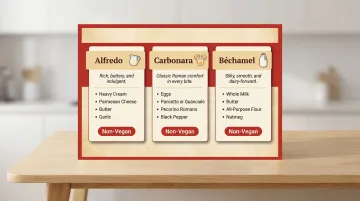
Traditional creamy pasta sauces rely heavily on dairy and eggs:
| Sauce | Traditional Ingredients | Vegan Status |
|---|---|---|
| Alfredo | Butter, heavy cream, Parmesan | Non-Vegan |
| Carbonara | Eggs, guanciale/pancetta, Pecorino | Non-Vegan |
| Béchamel | Butter, milk, flour | Non-Vegan |
Pesto: Watch for Parmesan
Classic pesto Genovese contains Parmesan cheese, so traditional recipes aren't vegan. That said, many stores now carry vegan pesto made without dairy cheese, and it's simple to make at home by replacing Parmesan with nutritional yeast.
Vegan Pasta Alternatives Worth Trying
If you want to go beyond conventional wheat pasta—whether for dietary reasons or variety—these specialty pasta types are almost universally vegan and offer significant nutritional upgrades.
High-Protein Legume Pastas
Made from single plant-based ingredients, legume pastas are excellent options for vegans looking to boost protein and fiber:
| Pasta Type | Protein (per 2 oz dry) | Fiber (per 2 oz dry) | Flavor Profile |
|---|---|---|---|
| Chickpea Pasta | 14g | 8g | Earthy, slightly nutty |
| Red Lentil Pasta | 13g | 6g | Mild, slightly softer texture |
| Black Bean Pasta | 25g | 12g | Very earthy, dense |
| Brown Rice Pasta | 5g | 2g | Mild, closest to traditional pasta |
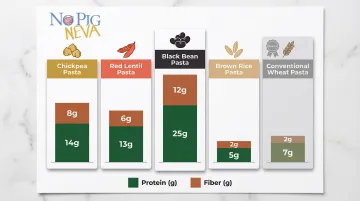
For comparison, conventional enriched wheat pasta contains just 7g of protein and 2g of fiber per 2 oz serving.
Where to Find Specialty Vegan Pasta
These pastas aren't always easy to find in standard grocery stores. When shopping, keep these options in mind:
- Health food stores (Whole Foods, Sprouts) typically carry chickpea and lentil pasta
- Online retailers offer the widest selection, including harder-to-find black bean and brown rice varieties
- NoPigNeva stocks 100% certified vegan pasta and plant-based pantry staples, with free nationwide shipping on orders over $99.99
Frequently Asked Questions
Can vegans eat pasta?
Yes, vegans can eat pasta. Most dried pasta is made from semolina and water and is vegan-friendly. Fresh pasta and certain specialty varieties often contain eggs, so checking the label is always a good habit.
What pasta is not vegan?
Fresh egg pasta, stuffed pasta (ravioli, tortellini), some dried lasagne sheets, squid ink pasta, and egg noodles typically contain eggs or other animal-derived ingredients. Always read the ingredients list to confirm.
Is boxed spaghetti vegan?
Most boxed spaghetti is vegan—just durum wheat semolina and water. Flavored or enriched varieties may differ, so a quick label check is worthwhile.
Is fresh pasta vegan?
Traditional fresh pasta is almost always made with eggs and is therefore not vegan. Egg-free fresh pasta does exist but must be explicitly labeled as such.
Is pasta sauce vegan?
Tomato-based pasta sauces are typically vegan, while cream-based sauces (Alfredo, carbonara) and traditional pesto contain dairy or eggs and are not vegan unless made with plant-based substitutes.
Can I make vegan pasta at home?
Homemade vegan pasta is straightforward: combine flour and water, skip the eggs, and roll by hand or use a pasta machine. A splash of olive oil can improve texture if desired.