TL;DR
- Basa is farmed in Vietnam's Mekong Delta and often flagged for sustainability concerns around farming practices and transparency
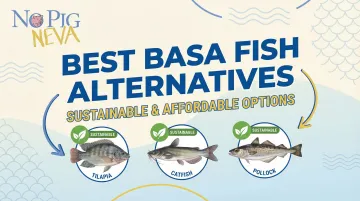
- Closest conventional alternatives include tilapia, cod, pollock, hake, and catfish/swai
- For the lowest environmental footprint, plant-based options replicate basa's mild flavor and flaky texture in nearly any recipe
- Consider flavor, texture, sustainability certifications (ASC, MSC), and cooking method when choosing
- NoPigNeva ships plant-based seafood alternatives nationwide — a practical starting point if local options are limited
What Is Basa Fish and Why Look for Alternatives?
Basa (Pangasius bocourti) is a freshwater catfish farmed primarily in Vietnam's Mekong Delta. Known for its mild taste, low cost, and versatility in frying, baking, and curries, it has become a go-to protein for many households.
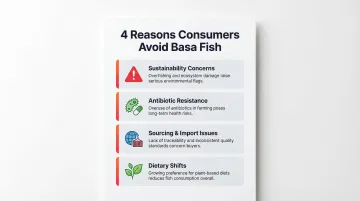
That popularity comes with real trade-offs. Consumers are moving away from basa for several reasons:
- Sustainability concerns: Uncertified Vietnamese pangasius carries an "Avoid" (Red) rating from Seafood Watch due to high chemical use and effluent discharge
- Antibiotic resistance: A 2020 study found 50–60% of E. coli from Vietnamese pangasius fillets were multidrug-resistant strains, linked to antibiotic overuse in aquaculture
- Sourcing and import issues: Many buyers prefer locally sourced fish or face import availability constraints
- Dietary shifts: Growing interest in plant-based eating has opened up a wider range of alternatives
Whether you're looking for a sustainable white fish swap or a fully plant-based option, the alternatives below cover both — with something for every palate and priority.
Best Conventional Basa Fish Alternatives
These conventional white fish share basa's defining traits—mild flavor, flaky texture, and versatility—making them easy drop-in substitutes in most recipes without changing technique or seasoning.
Tilapia
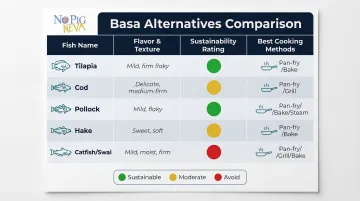
Tilapia is the closest overall match to basa: similar mild taste, thin flaky texture, widely available, and affordable. Often farmed under comparable conditions, look for ASC or Best Aquaculture Practices (BAP) certified tilapia for a more sustainable choice.
Key characteristics:
- Flavor & Texture: Mild, slightly sweet, thin fillets that flake easily
- Sustainability: Tilapia farmed in indoor recirculating aquaculture systems (RAS) with wastewater treatment earns a "Best Choice" (Green) rating from Seafood Watch
- Nutrition: 100g provides 19.0g of protein, only 2.48g of fat, and 342mg of potassium
- Best Cooking Methods: Pan-fry, bake, air-fry, curry
The ASC Tilapia Standard strictly prohibits antibiotics critical for human medicine and limits reliance on wild fish stocks, making certified tilapia a responsible choice.
Cod
Cod offers a firmer, slightly richer alternative with a clean flavor—a good upgrade if you want a more substantial fillet. Sustainability varies dramatically by stock and fishing method.
Key characteristics:
- Flavor & Texture: Mild, firm, large flaky chunks
- Sustainability: Atlantic cod stocks (Gulf of Maine and Georges Bank) remain overfished and subject to overfishing according to NOAA assessments, while Pacific/Alaska cod holds strong stock health ratings and MSC certification
- Best Cooking Methods: Baking, fish and chips, poaching, stews
Critical: Always verify cod origin. Choose Pacific/Alaska cod or explicitly MSC-certified sources to avoid contributing to Atlantic stock collapse.
Pollock
Alaska pollock is one of the most sustainably sourced white fish globally, mild in flavor, affordable, and widely used in processed seafood—a strong budget-friendly and eco-conscious swap for basa.
Key characteristics:
- Flavor & Texture: Very mild, slightly softer than cod, flaky
- Sustainability: Over 3 billion pounds landed in 2023, with MSC certification valid through 2030
- Nutrition: 100g provides 17.1g of protein and 331mg of potassium
- Best Cooking Methods: Frying, fish tacos, battered dishes, fish cakes
Approximately a quarter of pollock products are processed into surimi (imitation crab), while nearly half become fillets used for fish sticks and breaded portions.
Hake
Hake is a lean, delicate white fish with improved sustainability ratings in recent years, making it both a flavorful and responsible choice. Slightly more nuanced in flavor than basa but works well in the same recipes.
Key characteristics:
- Flavor & Texture: Delicate, moist, medium flakiness
- Sustainability: MSC-certified hake fisheries from South Africa, Namibia, and the Pacific mid-water trawl actively supply the U.S. market with sustainable fillets
- Best Cooking Methods: Pan-frying, stews, baking, light curries
European hake faces complex recovery dynamics, so prioritize MSC-certified Southern Hemisphere and Pacific sources.
Catfish / Swai
Catfish and swai (iridescent shark) are the most direct taste and texture substitutes for basa—they're from the same pangasius family—making them nearly interchangeable. Farmed U.S. catfish tends to have better sustainability credentials than imported swai.
Key characteristics:
- Flavor & Texture: Earthy-mild, soft and flaky
- Sustainability: U.S. pond-raised channel catfish earns a "Best Choice" (Green) rating from Seafood Watch due to highly regulated, static-pond farming that minimizes effluent
- Best Cooking Methods: Frying, blackening, po'boys, Southern-style recipes
U.S. channel catfish ponds operate as "static" systems with insignificant water exchange, retaining water for several production cycles and allowing up to 90% of waste to break down before discharge.
Best Plant-Based Alternatives to Basa Fish
Plant-based fish products have advanced enough to replicate basa's mild flavor and flaky texture in most cooked applications, without the sustainability trade-offs that come with farmed fish.
Plant-Based Fish Fillets
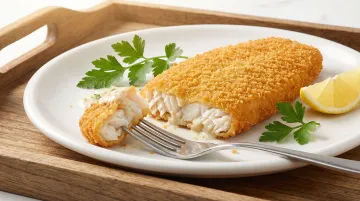
Plant-based fish fillets made from soy protein, konjac, or mycoprotein serve as the most direct functional substitute for basa fillets in baked, fried, or curried dishes. Leading brands offer products specifically designed to mimic white fish texture and neutral flavor.
Popular brands in the U.S. market:
- Good Catch Plant-Based Breaded Fish Fillets: Uses a proprietary 6-plant protein blend (pea, soy, chickpea, faba, lentil, navy bean) to achieve flaky whitefish texture, certified Vegan and Non-GMO
- Gardein Ultimate Plant-Based Crispy Breaded F'sh Filets: Features textured soy protein and incorporates DHA algal oil to provide 25mg of EPA & DHA per serving, Vegan, Kosher, and Non-GMO Project Verified
Both brands cook up mild and flaky, absorb seasoning well, and work equally well pan-fried, baked, or air-fried — the same methods you'd use for basa. Non-GMO, vegan, and gluten-free options are available across the range.
Hearts of Palm Fish-Style Products
Hearts of palm has emerged as a popular whole-food plant-based base for fish-style dishes due to its naturally fibrous, flaky texture when shredded. Used in fish tacos, ceviche-style dishes, and "fish" sandwiches.
- Neutral flavor that pulls into flaky strands and holds marinades well
- Cultivated multi-stemmed species like peach palm naturally regrow 3-5 new shoots for every stem harvested, making it genuinely renewable
- Works best marinated and pan-seared, baked, or folded into tacos and wraps
Avoid wild-harvested single-stemmed species that contribute to deforestation. Look for brands like Natural Heaven that use sustainably cultivated hearts of palm grown on existing agricultural fields.
Tofu-Based Fish Alternatives
Firm or extra-firm tofu, when pressed and marinated with nori (seaweed) and lemon, can convincingly replicate basa's mild oceanic flavor in stir-fries, curries, and steamed dishes—a DIY option that's affordable and widely accessible.
The science behind it: Seaweeds like nori are rich in free glutamic acid and 5'-ribonucleotides, which create powerful umami synergy that mimics seafood's savory taste. Acids like lemon juice tenderize tofu's texture, helping achieve a softer, fish-like bite.
- Absorbs flavor fully; firm yet flaky when pressed and prepared correctly
- Choose Non-GMO verified or USDA Organic brands like Nasoya or House Foods — organic certification automatically excludes genetic engineering
- Marinate and bake, pan-fry, or use in Asian-style white fish recipes
Vegan Seafood from Specialty Plant-Based Retailers
Specialty vegan retailers like NoPigNeva carry a curated selection of plant-based seafood alternatives—including fish fillets, scallops, shrimp, and more—making it easy to find basa substitutes that are 100% vegan, sustainably made, and delivered to your door across the USA.
What NoPigNeva offers:
- Product variety: Range of plant-based seafood including vegan shrimp, scallops, lobster alternatives, and specialty items like seaweed caviar
- Certifications: 100% vegan, Non-GMO, select Kosher and Gluten-Free options
- Accessibility: Nationwide delivery with free shipping on orders over $99.99, no membership required
- Member benefits: Optional 10% discount program with no fees or minimum orders
If you're looking to stock up on multiple plant-based seafood options at once, NoPigNeva's free shipping threshold and no-commitment membership make it worth exploring as a regular source.
How We Chose the Best Basa Alternatives
Alternatives were selected based on flavor and texture match to basa (mild, white, flaky), ease of substitution in common recipes, and availability in the U.S. market.
Sustainability as a key differentiator:
- Plant-based options were evaluated on ingredient sourcing, non-GMO status, and overall environmental footprint
- For conventional fish comparisons, MSC (wild-caught) and ASC or BAP (farmed) certifications served as benchmarks
- Price alone isn't a reliable guide — always check sustainability credentials and sourcing before swapping
Those sustainability factors only tell part of the story. How a substitute performs in your actual recipe matters just as much.
Dietary considerations:
- Texture match matters most when substituting in cooked dishes (frying, baking, curries)
- Flavor intensity is the key factor in raw-adjacent or lightly seasoned recipes
- Your best swap depends on both the dish and your own priorities
Conclusion
Basa has earned its place as a budget staple, but better alternatives exist—from certified sustainable white fish like pollock and hake, to innovative plant-based fillets that match basa's versatility without the sustainability trade-offs.
When making your choice, weigh not just taste and price, but sourcing transparency, certifications, and long-term environmental impact. For those ready to go fully plant-based, NoPigNeva carries vegan seafood alternatives that work in everything from fish tacos to battered fillets. All products are 100% vegan and Non-GMO, with free nationwide shipping on orders over $99.99.
Frequently Asked Questions
What fish is similar to basa?
Tilapia, catfish, swai, pollock, and hake are the closest conventional matches to basa in terms of mild flavor and flaky texture. They're interchangeable in most recipes like curries, frying, and baking.
What is basa fish called in the USA?
Basa is often sold under the names "swai," "tra," or "pangasius" in the U.S. market. The FDA strictly delineates Pangasius bocourti as "Basa" and Pangasianodon hypophthalmus as "Swai" or "Tra," though stores often mix up the names.
Which fish is better, tilapia or basa?
Both are mild farmed white fish with similar flavor and texture. Tilapia has slightly better nutritional content (19.0g protein vs. similar levels in basa) and more widely available sustainability-certified options in the U.S., making it the safer choice for eco-conscious consumers.
What fish has low potassium?
Basa, tilapia, and pollock are all naturally low in potassium compared to other protein sources. Tilapia contains 342mg per 100g and pollock contains 331mg per 100g, making them suitable for people managing kidney health.
Is basa fish sustainable?
Basa sustainability varies significantly by farm. Uncertified operations face criticism for antibiotic use and water quality issues, while ASC-certified basa farms meet higher environmental standards. Always check for certification labels when buying.
Can I use a plant-based alternative in basa fish recipes?
Yes, plant-based fish fillets, hearts of palm, and seasoned tofu can substitute for basa in most recipes — curries, stir-fries, tacos, and baked dishes alike. With the right seasoning (nori, lemon, Old Bay), the flavor difference is negligible and the environmental impact is meaningfully lower.