
Introduction
Ground beef is one of the hardest ingredients to give up—and one of the most worth replacing. According to the Good Food Institute, 59% of U.S. households purchased plant-based foods in 2024, and 33% of U.S. adults who eat meat are actively trying to cut back. Ground beef alone accounts for $15.3 billion in conventional product sales, which explains why the plant-based category has zeroed in on replicating it.
The problem is that not all substitutes are created equal. Some rely on whole-food ingredients like lentils and tofu with minimal processing. Others are engineered commercial products designed to replicate the exact texture and flavor of meat. That difference matters for health outcomes, cooking performance, and taste.
This guide covers the best whole-food and store-bought options, what to look for based on your health goals, and a side-by-side nutritional comparison to help you choose.
TLDR
- Vegan ground beef substitutes split into whole-food options (lentils, tofu, TVP, mushrooms, walnuts) and commercial products (Beyond Meat, Impossible, Gardein, Lightlife)
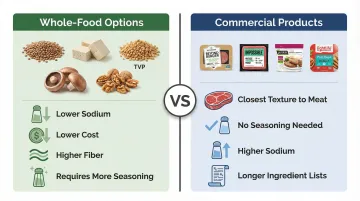
- Whole-food options are lower in sodium and cost less; commercial products deliver the closest texture to real ground beef
- The best choice depends on health priorities, cooking style, and recipe requirements
- Umami-building ingredients (soy sauce, miso paste, nutritional yeast) are essential for convincingly meaty flavor
- NoPigNeva ships a curated selection of vegan meat alternatives nationwide — no membership fees or minimum orders required
What Is Vegan Ground Beef?
Vegan ground beef refers to any plant-based ingredient or product designed to mimic the texture, appearance, and savory flavor of minced beef. These substitutes range from minimally processed whole foods like lentils and crumbled tofu to commercial products engineered to replicate the exact taste and mouthfeel of animal meat.
Ground beef's culinary versatility comes from three key traits:
- Brownable crumble texture — holds up in skillets and sauces without turning mushy
- Neutral-savory flavor base — takes on spices and aromatics rather than competing with them
- Substantial protein content — makes the dish genuinely filling
Replicating all three is the central challenge for any plant-based substitute. Whole-food options like lentils and tempeh prioritize nutrition and ingredient transparency, but require more seasoning work. Commercial products generally deliver on texture and flavor straight out of the package — though they often come with higher sodium and longer ingredient lists. Understanding that tradeoff makes it easier to pick the right option for any recipe.
Best Whole-Food Vegan Ground Beef Substitutes
Whole-food substitutes rely on natural plant ingredients with little to no processing. They're ideal for health-conscious cooks who want to control ingredients, reduce sodium, or follow oil-free diets. These options require more seasoning effort but offer higher fiber, lower cost, and better nutritional transparency.
Lentils
Lentils are the most popular whole-food substitute. They break down into a crumbly, sauce-absorbing texture that works perfectly in bolognese, chili, and meat sauces. Season with soy sauce and a splash of vinegar for umami depth. Cooked lentils contain 17.9 g protein per cup with only 4 mg sodium—a massive advantage over commercial alternatives.
Lentils are not a complete protein. They contain 152 mg methionine and 234 mg cystine per cup, so pair them with complementary sources like rice or quinoa. Green and brown lentils hold their shape better for tacos and stuffed peppers; red lentils cook down softer and blend seamlessly into thick sauces.
Tofu (Extra Firm)
Crumbled extra-firm tofu mimics ground beef texture when baked or pan-cooked. Press the tofu, crumble it, and bake at 400°F with tamari, tomato paste, garlic powder, and nutritional yeast for a meaty, slightly crispy result. This approach is naturally oil-free and compliant with whole-food plant-based diets.
Tofu delivers 9.04 g protein per 100 g with only 0.793 g saturated fat and zero cholesterol. The T. Colin Campbell Center for Nutrition Studies lists minimally processed tofu as WFPB-compliant in moderation (2-3 servings daily).
Don't skimp on seasoning: tamari, smoked paprika, and a pinch of black salt go a long way toward making crumbled tofu taste like something from a skillet, not a salad bar.
TVP (Textured Vegetable Protein)
TVP is dehydrated soy protein crumbles that rehydrate during cooking. It's one of the most convincing ground beef textures available in whole-food form, with a firm, chewy bite that closely resembles ground meat. Bob's Red Mill TVP contains 12 g protein per ¼ cup dry with zero sodium, making it budget-friendly and naturally gluten-free.
To prepare it, sauté aromatics first, then add TVP with seasoned broth or water, miso paste, and soy sauce. A pinch of beet powder adds color. Simmer until fully rehydrated.
TVP can be found at health food stores or ordered online through retailers like NoPigNeva.
Walnuts and Dried Mushrooms
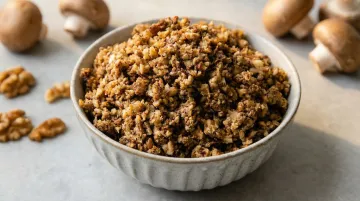
The walnut-mushroom combination delivers fat, protein, and satisfying crunch from walnuts, plus intense umami and chewy texture from dried shiitake mushrooms. Rehydrate mushrooms, dice them, and mix with finely chopped walnuts, soy sauce, and olive oil. No cooking required.
This is the best whole-food option for soy-free diets and works exceptionally well in tacos, stuffed peppers, and flatbreads. Walnuts provide 2.5 g of omega-3 ALA per 1 oz serving—a nutritional bonus not found in other substitutes. Dried shiitake mushrooms contain 5'-guanylate and glutamate, the primary umami compounds that deliver meaty flavor.
Legumes (Chickpeas, Black Beans)
Canned or cooked chickpeas and black beans work as chunkier substitutes in chili, tacos, and stuffed peppers. They don't fully replicate ground beef texture but add protein and substance effectively. These are the most accessible and lowest-cost option of all substitutes, with the added benefit of near-zero sodium when cooked from dry. Good uses include:
- Mashing partially for taco fillings with a meaty, chunky bite
- Combining with lentils in chili for layered texture
- Adding to grain bowls where texture variety matters more than mimicry
Top Store-Bought Vegan Ground Beef Brands
Commercial vegan ground beef products are engineered to replicate the taste, texture, and browning behavior of real ground beef as closely as possible. They require no seasoning and cook like conventional meat, making them practical for quick weeknight meals. Many of these brands are also available through online retailers like NoPigNeva, which ships certified plant-based meat alternatives nationwide.
Beyond Meat (Beyond Beef)
Beyond Meat's Beyond Beef uses a pea protein base with a signature beet juice color effect that mimics raw ground beef. Of all commercial options, it delivers the closest texture to raw ground beef, browning and crumbling naturally in a pan. Works well in burgers, tacos, bolognese, and meatballs.
| Key Ingredients | Pea protein, coconut oil, expeller-pressed canola oil, rice protein, red lentil protein, avocado oil, beet juice color |
| Protein per Serving | 21 g per 4 oz |
| Certifications | Kosher, Halal, non-GMO, soy-free, gluten-free |
Impossible Foods (Impossible Beef)
Impossible Foods uses soy protein and heme (soy leghemoglobin) to achieve a uniquely beefy flavor that many consumers find the most convincingly meat-like of all commercial options. The heme molecule delivers a distinct savory, iron-rich flavor profile not found in other plant-based products, with strong performance in burgers and meat sauces.
| Key Ingredients | Soy protein concentrate, coconut oil, sunflower oil, soy leghemoglobin (heme), cultured dextrose, methylcellulose |
| Protein per Serving | 19 g per 4 oz |
| Certifications | Gluten-free, Kosher Pareve (OU), Halal (IFANCA); soy leghemoglobin is GMO |
Gardein Ultimate Plant-Based Ground
Gardein is a widely available, mid-price-point vegan meat brand with broad retail distribution. Their Ultimate Ground uses soy and wheat protein for a dense, crumbly texture. Its affordability and wide retail footprint make it easy to find, and it performs especially well in sauced dishes like sloppy joes, pasta, and casseroles.
| Key Ingredients | Soy protein, wheat gluten (textured wheat protein), canola oil, palm oil, caramel color, yeast extract |
| Protein per Serving | 23 g per 1 cup (93 g) |
| Certifications | Kosher, certified vegan, Non-GMO Project Verified; contains gluten — not suitable for gluten-free diets |
Lightlife Plant-Based Ground
Lightlife is a heritage plant-based brand known for shorter ingredient lists and less-processed formulations than most competitors. Their ground beef alternative uses pea and soy protein with a shorter ingredient list than many competitors. It offers lower saturated fat than Beyond and Impossible, making it a good option for health-focused consumers who still want convenience.
| Key Ingredients | Soy protein concentrate, water, soybean oil, potato starch, yeast extract, wheat gluten |
| Protein per Serving | 11 g per ⅓ cup (55 g) |
| Certifications | Certified Vegan, Kosher, Non-GMO Project Verified; contains wheat gluten |
How to Choose the Right Vegan Ground Beef Substitute
Sodium, Fat, and Processing Level
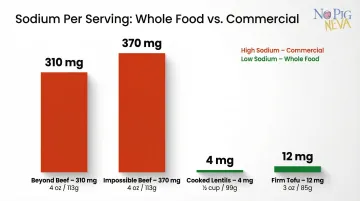
If sodium, fat content, or processing level is a concern, whole-food options are the better choice. Commercial vegan ground beef contains significantly higher sodium than seasoned tofu or TVP:
| Product | Serving Size | Sodium |
|---|---|---|
| Beyond Beef | 113 g (4 oz) | 310 mg |
| Impossible Beef | 113 g (4 oz) | 370 mg |
| Cooked Lentils | 198 g (1 cup) | 4 mg |
| Firm Tofu | 100 g | 12 mg |
Among store-bought brands, Lightlife offers 0 g saturated fat per serving compared to 2 g for Beyond Beef and 6 g for Impossible Beef.
Matching the Substitute to Your Recipe
- Ground beef is the star (burgers, tacos, meat sauce): Store-bought products like Beyond or Impossible are the closest match in texture and flavor.
- Ingredient-heavy dishes (chili, lasagna, stuffed peppers): Whole-food options blend in seamlessly — the difference is minimal.
Navigating Dietary Restrictions
Gluten-free options: Tofu, TVP, lentils, Beyond Meat, walnuts/mushrooms Soy-free options: Walnuts/mushrooms, Lightlife (check specific products), Beyond Beef Nut-free options: Tofu, TVP, lentils, all commercial options except walnut-based substitutes
Conclusion
There's no single "best" vegan ground beef substitute. The right choice depends on your priorities: nutrition, flavor, cost, convenience, or specific dietary needs. Whole-food options like lentils and TVP tend to win on price and protein, while commercial products like Beyond Meat or Impossible Burger are better suited for dishes where texture matters most.
For shoppers who want convenient access to certified vegan meat alternatives—from TVP and tofu to top commercial brands—NoPigNeva offers a curated selection of 100% vegan, non-GMO products with free nationwide shipping on orders over $99.99, so building a well-stocked plant-based pantry is straightforward.
Frequently Asked Questions
What is a good vegan substitute for ground beef?
Lentils and TVP are excellent budget-friendly whole-food substitutes, while crumbled tofu works perfectly for oil-free cooking. Beyond Meat and Impossible Beef deliver the closest texture to real ground beef with no extra seasoning work.
What is vegan ground beef made of?
Vegan ground beef can be made from soy protein (TVP, Impossible), pea protein (Beyond Meat), tofu, lentils, walnuts, dried mushrooms, or legumes. Umami seasonings like soy sauce, miso, and nutritional yeast build the meaty flavor.
What is the healthiest plant-based meat substitute?
Whole-food options like tofu, lentils, and TVP are generally the healthiest due to lower sodium and saturated fat compared to commercial products. Among store-bought brands, Lightlife and similar clean-label options are the lower-processed choices.
Is vegan beef healthier than real beef?
Whole-food vegan options are lower in saturated fat and contain zero cholesterol, but commercial vegan ground beef can match or exceed real beef in sodium. Check labels and weigh your specific health goals before choosing.
What is the best tasting plant-based ground meat?
Beyond Meat and Impossible Beef top most taste rankings among vegans and flexitarians alike. For homemade options, TVP seasoned with miso, soy sauce, and aromatics comes closest to convincing.
What can I make with vegan ground beef?
Tacos, spaghetti bolognese, lasagna, chili, stuffed peppers, sloppy joes, shepherd's pie, nachos, and meat-stuffed flatbreads. Any recipe calling for regular ground beef can be made with a plant-based substitute.