
TLDR:
- 100% plant-based comfort food with creamy broth and fluffy dumplings
- Ready in one hour using affordable, accessible ingredients
- High in fiber and plant protein from chickpeas or white beans
- Easily adaptable for gluten-free or soy-free diets
- Store-bought vegan chicken strips work as a quick protein swap
Why You'll Love This Recipe
This dish is 100% plant-based but doesn't sacrifice flavor or texture. The broth is thick and creamy using dairy-free milk and a simple flour roux, while the dumplings are soft and fluffy without eggs or butter. 71% of U.S. consumers aged 18-59 are open to plant-based alternatives—and this recipe is a good reason why, winning over vegans and skeptical omnivores at the same table.
Nutritional benefits include:
- High fiber and plant-based protein from chickpeas or white beans
- Key vitamins and minerals from carrots, celery, and herbs
- Lower saturated fat compared to traditional chicken and dumplings
- Roughly 15–18g of protein per serving depending on your bean choice
It's also easy to customize: swap in a 1:1 gluten-free flour blend to make it gluten-free, or use oat or rice milk instead of soy milk for a soy-free version.
Ingredients You'll Need
Soup Base Ingredients
Vegetables and aromatics:
- 2 tablespoons olive oil
- 1 medium onion, diced
- 3 medium carrots, peeled and sliced
- 3 celery stalks, sliced
- 4 garlic cloves, minced
- 2 tablespoons poultry seasoning (or DIY blend below)
- Salt and black pepper to taste
Liquids and thickeners:
- 4 cups vegetable broth
- 2 cups unsweetened dairy-free milk (soy or oat work best)
- 1/3 cup all-purpose flour (for the roux)
Optional add-ins:
- 1 cup frozen peas or corn (for color and sweetness)
- 2 tablespoons fresh parsley, chopped (for brightness)
The dairy-free milk stands in for heavy cream here — soy and oat both deliver the richness traditional recipes rely on without any dairy.
Plant-Based Protein Options
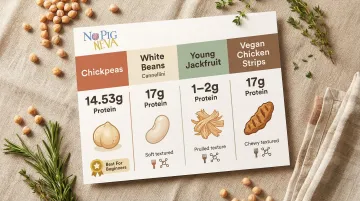
Choosing the right plant-based "chicken" substitute impacts both texture and nutrition:
Chickpeas (recommended for beginners):
- Cooked chickpeas provide 14.53g protein and 12.46g fiber per cup
- Hold their shape during cooking and add a creamy bite
- Use 2 cups cooked or 1 can (15 oz), drained and rinsed
White beans (cannellini):
- Deliver 17g protein and 11g fiber per cup
- Creamier interior texture that acts as a natural thickener
- Swap 1:1 for chickpeas
Young jackfruit:
- Provides excellent shreddable, meat-like texture but only 1-2g protein per serving
- Use 1 can (14 oz) drained and shredded
- Best combined with chickpeas for protein balance
Store-bought vegan chicken strips:
- Deliver exact meat-like chew and ~17g protein per serving
- NoPigNeva stocks a range of plant-based chicken strips, shreds, and chunks if you want a ready-to-go option shipped to your door
- Use 2 cups, cut into bite-sized pieces
Poultry Seasoning Blend
Poultry seasoning is key to mimicking the flavor of traditional chicken and dumplings. Commercial blends typically contain thyme, sage, marjoram, rosemary, black pepper, and nutmeg—all plant-based ingredients.
DIY Poultry Seasoning (if you don't have it on hand):
- 1 teaspoon dried sage
- 1 teaspoon dried thyme
- 1/2 teaspoon dried rosemary
- 1/2 teaspoon dried marjoram
- 1/4 teaspoon black pepper
- Pinch of nutmeg
Mix together and store in an airtight container for up to 6 months.
Dumpling Ingredients
Dry ingredients:
- 1 1/2 cups all-purpose flour
- 2 teaspoons baking powder
- 1/2 teaspoon garlic powder
- 1/2 teaspoon salt
Wet ingredients:
- 3/4 cup unsweetened dairy-free milk
- 2 tablespoons olive oil
Mix just until combined — overmixing develops gluten and leads to dense, rubbery dumplings.
How to Make Vegan Chicken and Dumplings
Cooking the Soup Base
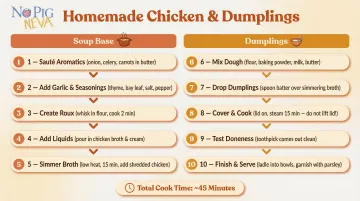
Step 1: Sauté the aromatics
Heat 2 tablespoons olive oil in a large pot or Dutch oven over medium heat. Add diced onion, sliced carrots, and sliced celery. Sauté for 5 minutes, stirring occasionally, until the vegetables soften and the onion becomes translucent.
Step 2: Add garlic and seasonings
Stir in minced garlic and 2 tablespoons poultry seasoning. Cook for 1 minute until fragrant, stirring constantly to prevent burning. Season with salt and black pepper.
Step 3: Create the roux
Sprinkle 1/3 cup flour over the sautéed vegetables. Stir to coat everything evenly—this creates a roux that will thicken the broth without dairy cream or cashews. Cook for 1-2 minutes, stirring constantly.
Step 4: Add liquids gradually
Slowly pour in 2 cups dairy-free milk while stirring continuously to prevent lumps. Once fully incorporated, add 4 cups vegetable broth. Unsweetened soy milk works best here — it holds up during simmering without breaking. Oat milk works too but adds slight sweetness from its higher carbohydrate content.
Step 5: Simmer the broth
Bring the pot to a boil, then reduce heat to a gentle simmer. Add your chosen plant-based protein (chickpeas, white beans, or vegan chicken strips). Simmer for 10 minutes to allow the flavors to meld and the broth to thicken. If using frozen peas or corn, stir them in during the last 5 minutes.
Making and Dropping the Dumplings
While the soup simmers, mix the dumplings — they go straight from bowl to pot.
Step 6: Mix the dumpling dough
Whisk together flour, baking powder, garlic powder, and salt in a medium bowl. In a separate small bowl, combine dairy-free milk and olive oil, then pour into the dry ingredients. Stir gently until just combined — the dough should be sticky and slightly lumpy. Stop as soon as no dry flour remains visible. Overmixing develops gluten and leads to dense, rubbery dumplings.
Step 7: Drop the dumplings
Dip a spoon (about 1.5 tablespoon size) in water to prevent sticking. Scoop a small portion of sticky dough and gently slide it into the simmering broth. Repeat until all the dough is used, spacing the dumplings slightly apart. They will expand significantly during cooking, so small portions are correct. You should get 12-15 dumplings.
Step 8: Cover and cook undisturbed
This is the most critical step: cover the pot with a tight-fitting lid and cook for 10-12 minutes without lifting the lid. Double-acting baking powder releases carbon dioxide in two stages — first when wet, then when heated. Trapped steam does the rest. Lifting the lid releases that steam and leaves you with flat, undercooked dumplings.
Step 9: Test for doneness
After 12 minutes, carefully lift the lid. The dumplings should look puffy and cooked through. To test, cut one open—the interior should be dry and fluffy, not gummy or wet. If still raw in the center, cover and cook for 3-5 more minutes.
Step 10: Finish and serve
Remove from heat and stir in fresh chopped parsley. Taste and adjust seasoning with additional salt, pepper, or a splash of apple cider vinegar for brightness. Serve hot in bowls.
Tips for Fluffy Dumplings and a Richer Broth
The golden rule for fluffy dumplings:
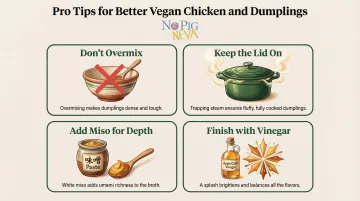
Do not overmix the dough and do not lift the lid during cooking. Mix only until the dry ingredients disappear. When flour is over-agitated, glutenin and gliadin proteins form tight gluten networks — fine for chewy bread, but devastating for dumplings, producing a dense, gummy texture.
Steam is what gives dumplings their light, airy texture. The trapped humidity prevents surface drying and allows the dough's air pockets to expand before the structure sets.
Adjust broth consistency as needed:
- If it's too thin before dumplings go in, mix 1 tablespoon flour with 2 tablespoons cold water into a slurry. Stir into simmering broth and cook for 2-3 minutes.
- If it's too thick after cooking, splash in 1/4 to 1/2 cup extra vegetable broth — dumplings absorb liquid as they sit.
Test dumpling doneness correctly:
Cut one dumpling open to check for a dry, cooked-through interior, or insert a toothpick into the center—it should come out clean. Raw dough in the center means they need 3-5 more minutes covered.
Two easy ways to deepen the broth:
- Stir in 1 teaspoon white (shiro) miso paste at the end of cooking. Miso's free glutamates from fermentation add the savory depth that chicken bone broth normally provides.
- Finish with 1-2 teaspoons of apple cider vinegar off the heat. The acetic acid makes salt and umami flavors pop without tipping the soup into sour territory.
Variations, Substitutions & Storage
Gluten-Free Adaptation
Swap all-purpose flour in both the soup roux and dumpling dough for a 1:1 gluten-free flour blend. These blends typically contain rice flours, tapioca starch, potato starch, and xanthan gum to mimic gluten's binding properties. The texture may be slightly different—dumplings can be a bit crumbly or denser—but the result is still delicious. Also check that your baking powder is certified gluten-free, as some brands use wheat starch as a filler.
Soy-Free and Nut-Free Options
- Use oat milk or rice milk instead of soy milk in both the soup and dumplings
- Choose white beans or jackfruit instead of chickpeas if avoiding all legumes
- Verify that store-bought vegan chicken strips are soy-free (many are made from wheat protein or pea protein)
Storage and Reheating
Refrigerator storage:
Store leftovers in an airtight container in the fridge for 2-3 days. The USDA recommends consuming cooked soups and stews within 3-4 days when refrigerated at 40°F or below.
Reheating:
Reheat on the stovetop over medium heat, adding a splash of vegetable broth (1/4 to 1/2 cup) to loosen the consistency. Dumplings absorb liquid as they sit, so the soup will thicken significantly. Stir gently to avoid breaking up the dumplings.
Freezing:
Skip the freezer with this one. Ice crystals damage the dumpling's starch structure during freezing, and when thawed, that breakdown causes the dumplings to turn mushy and release excess water. The soup itself freezes fine—just make a fresh batch of dumplings when you reheat it.
Frequently Asked Questions
What can I use instead of chicken in vegan chicken and dumplings?
The best plant-based substitutes each bring different textures and protein levels:
- Chickpeas — 14.53g protein per cup, creamy and sturdy during simmering
- White beans — 17g protein per cup, soft interior with a creamy bite
- Shredded young jackfruit — excellent shreddable texture, but low in protein
- Vegan chicken strips — meat-like chew, ~17g protein per cup
Chickpeas and white beans hold up best during longer simmering times.
Why are my dumplings dense and not fluffy?
Overmixing the dough and lifting the lid during cooking are the two main culprits. Mix the dumpling batter only until just combined. Overmixing develops gluten, which leaves dumplings tough and gummy. Keep the pot covered throughout the 10-12 minute cooking time so trapped steam can fully cook and expand the dumplings.
Can I make this recipe gluten-free?
Yes. A 1:1 gluten-free flour blend works as a direct swap in both the soup base roux and the dumpling dough. The texture will be slightly different—dumplings may be a bit crumbly or denser—but the flavor and overall result are still excellent. Check that your baking powder is certified gluten-free.
What is the best dairy-free milk for vegan chicken and dumplings?
Unsweetened soy milk or oat milk are the best choices. Soy milk has a neutral flavor and creamy consistency with 8.7g protein per cup, making it the closest match to dairy milk. Oat milk is also creamy but slightly sweeter. Avoid coconut milk, as it adds a strong tropical flavor that clashes with savory herbs.
Can I use store-bought biscuits instead of homemade dumplings?
Yes. Refrigerated vegan biscuit dough (such as Immaculate Baking Organic Flaky Biscuits or Trader Joe's Organic Biscuits) cut into quarters works well—just check the label first, since some contain milk or butter. Drop the pieces into simmering broth and cook covered for 10-12 minutes.
How do I store and reheat vegan chicken and dumplings?
Store leftovers in an airtight container in the refrigerator for 2-3 days. Reheat on the stovetop over medium heat, adding extra vegetable broth to loosen the consistency since dumplings absorb liquid as they sit. Avoid freezing—dumplings turn mushy upon thawing as the starches break down and ice crystals damage the texture.