

Whether you're vegan, vegetarian, or simply exploring flexitarian options, this recipe solves the perennial challenge of creating a show-stopping plant-based main course for holiday gatherings, festive dinners, or any night you crave something truly satisfying. This post covers what vegan roast chicken is made of, how to make it step by step with realistic timelines, tips for success, and the nutritional benefits of choosing a plant-based roast.
TLDR
- Seitan-based vegan roast chicken wrapped in yuba (tofu skin) delivers 46g protein per serving with a meaty, fibrous texture
- Total time is 3–3.5 hours (mostly hands-off), but seitan can be steamed 1–2 days ahead
- Tight wrapping during steaming is critical for firm, meat-like texture instead of spongy results
- Balsamic cranberry glaze doubles as a vegetable marinade, tying the whole dish together
- Find vital wheat gluten and yuba at specialty vegan grocers like NoPigNeva
What Is Vegan Roast Chicken With Balsamic Cranberry Glaze?
Vegan roast chicken is a seitan-based centerpiece that mimics the texture, appearance, and savory depth of traditional roast chicken. Shaped into individual "breasts," each fillet is wrapped in yuba (tofu skin) to create a thin, golden, slightly chewy exterior that crisps beautifully during roasting. The finished fillet has genuine bite and a protein density that rivals its animal counterpart.
The balsamic cranberry glaze is where the dish earns its character. Balsamic vinegar's acidity and depth combine with cranberry sauce's fruity sweetness to create a lacquered coating that caramelizes during the final roasting phase. The glaze works across the whole pan: it marinates the seitan fillets and the roast vegetables alike, so every element picks up the same sweet-tart depth.
Why Make It From Scratch?
While store-bought plant-based chicken pieces exist, this from-scratch seitan version gives you direct control over texture, seasoning, and protein density that most packaged options can't match. The U.S. plant-based food market reached $8.1 billion in 2024, with the tofu, tempeh, and seitan subcategory growing 11% in dollar sales over the past two years. This growth reflects rising consumer preference for minimally processed, traditional plant proteins—exactly what this recipe delivers.
Ingredients You'll Need
This recipe requires three ingredient groups: the seitan chicken base, the balsamic cranberry marinade/glaze, and the roast vegetables. Most specialty ingredients like vital wheat gluten, yuba sheets, and vegan chicken seasoning can be sourced through a vegan online grocer like NoPigNeva, which stocks hard-to-find plant-based pantry staples and offers free nationwide shipping on orders over $99.99.
Seitan Chicken Base
Key ingredients:
- Vital wheat gluten – The essential base ingredient that creates seitan's chewy, fibrous, meaty texture — 75.2g of protein per 100g
- Firm tofu – adds moisture and softness so the seitan doesn't turn rubbery
- Canned butter beans or cannellini beans (including liquid) – adds tenderness, binding, and fiber
- White miso paste – provides umami depth and savory complexity
- Rice vinegar – brightens flavor and helps tenderize the gluten
- Olive oil – adds richness and prevents dryness
- Sea salt and vegan chicken seasoning (or mushroom bouillon) – builds that savory, poultry-like flavor
The yuba wrapper:
Yuba (dried tofu skin sheets) is a thin, protein-rich film that forms on heated soy milk. When hydrated and wrapped around the formed seitan fillets, it creates a golden, slightly chewy "skin" that crisps during roasting and holds each breast's shape.
At approximately 24.7g of protein per 100g, yuba also rounds out the roast's nutritional profile considerably.
Balsamic Cranberry Marinade
Ingredients:
- Balsamic vinegar
- Cranberry sauce (store-bought or homemade)
- Garlic
- Olive oil
- Light soy sauce
- Dried parsley
- Dried thyme
- Black pepper
- Water
This marinade serves double duty — it flavors both the seitan fillets and the roast vegetables, so every element on the pan shares the same flavor base. Balsamic vinegar contains phenolic compounds including gallic, caffeic, and p-coumaric acids that contribute antioxidant capacity and complex flavor — both of which deepen during roasting.
Roast Vegetables
Components:
- Carrots
- Shallots
- New potatoes
- Orange wedges
- Fresh herbs (rosemary and parsley)
The orange wedges add brightness and natural sweetness that complements the cranberry glaze, while the vegetables roast in the remaining marinade to soak up all the savory-sweet flavor.
How to Make Vegan Roast Chicken Step by Step
Timeline upfront: The total process takes roughly 3 to 3.5 hours including steaming and roasting time, but most of that is hands-off cooking. Active prep is about 30–40 minutes. Make the seitan a day ahead if you can — it benefits from resting overnight and makes the whole project very manageable for entertaining.
Step 1 – Make the Seitan Dough
Blend the tofu, beans, bean liquid, bouillon, olive oil, salt, miso paste, and vinegar until completely smooth and creamy. Aim for at least 90 seconds in a high-speed blender; the mixture should have no lumps or graininess.
Add the vital wheat gluten and blend or knead until the dough becomes stretchy, stringy, and cohesive, similar in texture to tough chewing gum. That stringy quality is exactly right. When vital wheat gluten is hydrated and kneaded, its proteins form a cohesive, viscoelastic 3D network that becomes tender and meaty once cooked.
Step 2 – Shape and Steam the Fillets
Critical technique for meaty texture:
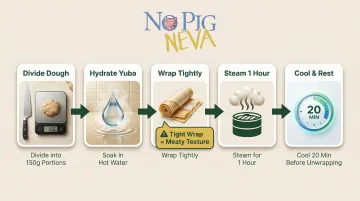
- Divide the dough into individual fillets (~150g each)
- Hydrate the yuba sheets briefly in hot water until pliable
- Wrap each fillet tightly in yuba and parchment paper (or foil/muslin)
- Steam the wrapped fillets for 1 hour
- Allow to cool for at least 20 minutes before unwrapping
The tight wrap is doing real work here: It physically restricts the gluten dough from expanding as internal moisture turns to steam. Loose wrapping lets trapped gas create large bubbles, resulting in a porous, bread-like interior. A firm wrap forces a dense, cohesive, meaty crumb instead.
Step 3 – Make the Balsamic Cranberry Marinade
Blend all marinade ingredients with a splash of water until smooth. Divide the marinade:
- Half goes over the cooled seitan fillets to marinate (minimum 30 minutes, ideally overnight in the fridge)
- Half is reserved for coating the vegetables
Marinating overnight deepens flavor and allows the glaze to fully penetrate the yuba wrapper.
Step 4 – Roast the Vegetables and Seitan
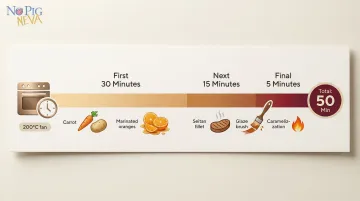
Staggered roasting sequence (200°C fan / 400°F):
- First 30 minutes: Toss vegetables and orange wedges with half the reserved marinade and roast
- Next 15 minutes: Add the marinated seitan fillets on top of the vegetables and continue roasting
- Final 5 minutes: Brush with remaining glaze and finish until deeply browned and lacquered
Staggered timing is non-negotiable: Vegetables need a head start to become tender before the seitan goes in. That final glaze application creates a caramelized crust through the Maillard reaction, where sugars in the balsamic and cranberry react with proteins at high heat to produce complex flavor and a glossy finish.
Pro Tips, Make-Ahead, and Storage
Keys to success:
- Wrap tightly — the tighter the wrap, the meatier the final texture
- Marinate overnight to let the glaze fully penetrate and deepen the flavor
- Cool steamed seitan completely before unwrapping so it firms up properly
- Add a final glaze brush in the last 5 minutes for a lacquered, caramelized finish
Make-ahead options:
The steamed seitan fillets can be made 1-2 days in advance and refrigerated, or frozen for up to 3 months (wrapped individually). For holidays, do the hard work ahead of time and just marinate and roast on the day.
Storage:
Leftover roast chicken and vegetables keep in an airtight container in the fridge for up to 5 days. Reheat in a covered oven dish at low heat, or slice and pan-fry for a crispier finish.
Nutrition and Health Benefits of Plant-Based Roast Chicken
How healthy is plant-based roast chicken?
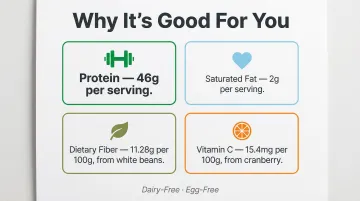
Seitan-based vegan roast chicken is exceptionally high in protein. This recipe delivers 46g of protein per serving, making it competitive with or superior to traditional animal-based chicken in protein density. It's also relatively low in saturated fat—the recipe contains just 2g of saturated fat per serving, compared to vital wheat gluten's naturally minimal 0.27g per 100g.
Additional nutritional benefits:
- Naturally dairy-free and egg-free
- Contains fiber from the beans used in the dough (white beans provide 11.28g of dietary fiber per 100g)
- Cranberry component adds vitamin C (raw cranberries contain 15.4mg per 100g)
- Balsamic vinegar contributes antioxidant polyphenols
The Academy of Nutrition and Dietetics confirms that appropriately planned vegan diets are nutritionally adequate for adults, making this roast a solid choice for plant-based eaters.
That said, this recipe isn't right for everyone. Here's what to know before you make it.
Who should avoid this recipe?
Critical allergen warning: This recipe contains vital wheat gluten and is not suitable for individuals with celiac disease or non-celiac gluten sensitivity. The Celiac Disease Foundation advises that people with celiac disease must eliminate all gluten sources from their diet to prevent intestinal damage and long-term health complications.
Other dietary considerations:
- Soy: Contains soy sauce — swap for tamari if you have a soy sensitivity (note: the seitan base still contains gluten)
- Sodium: Expect roughly 800–1,000mg per serving depending on your soy sauce; choose a low-sodium variety to reduce this
- Gluten-free diets: No substitution makes this recipe safe — the seitan base is gluten by definition
What to Serve With Your Vegan Roast Chicken
Sides That Work With the Glaze
- Vegan gravy made from the roasting pan drippings and vegetable stock
- Creamy mashed potatoes or roasted new potatoes (already included in the roasting tin)
- Steamed green beans
- Braised red cabbage
- Simple kale salad
The sweet-tangy glaze pairs especially well with earthy root vegetables and bitter greens — which makes it just as at home on a weeknight table as a holiday spread.
When to Serve It
This recipe works as a centerpiece for Christmas, Thanksgiving, Easter, or any Sunday roast. It also adapts for smaller weeknight dinners when sliced and served over grains or in wraps with leftover glaze as a dressing.
Frequently Asked Questions
How long does plant-based roast chicken take to cook?
Total time runs 3 to 3.5 hours, including about 1 hour of prep, 1 hour of steaming, and 50 minutes of roasting. Steam the seitan a day ahead and day-of cooking drops to under an hour.
Is there a plant-based roast chicken?
Yes, both options exist: homemade seitan-based versions like this recipe and store-bought plant-based chicken pieces. Homemade offers superior texture and customization for special occasions.
What is plant-based roast chicken made of?
The meaty base is vital wheat gluten (seitan) blended with tofu and beans. Yuba (tofu skin) wraps each fillet for a skin-like exterior, finished with a balsamic cranberry marinade for flavor and glaze.
How healthy is plant-based roast chicken?
It's high in protein (46g per serving), low in saturated fat (2g per serving), dairy-free, and egg-free, though it contains gluten and moderate sodium—making it a nutritious choice for most vegans and vegetarians.
Can I make vegan roast chicken ahead of time?
Yes. The seitan can be steamed 1-2 days ahead and refrigerated, or frozen for up to 3 months, making it ideal for holiday meal prep.
What do you serve with vegan roast chicken?
Vegan gravy, roasted or mashed potatoes, steamed greens, braised red cabbage, and crusty bread all pair well — especially for soaking up the balsamic cranberry pan juices.