
Introduction
With 88% of consumers planning to grill in 2025 and 15% of meat buyers also purchasing plant-based alternatives, summer cookouts now regularly include vegan and flexitarian guests expecting something worth eating.
Not all plant-based hot dogs are worth buying. A few genuinely nail the smoky, savory snap of a classic hot dog. Most don't—falling short on flavor, texture, or both. We tested the leading options so you know exactly what to put on the grill and what to leave on the shelf.
This review ranks the top performers across taste, texture, nutrition, and grill performance, alongside the ones that didn't make the cut.
TL;DR
- Field Roast Classic Smoked Frankfurters consistently rank #1 for taste, smokiness, and texture
- For budget-friendly grilling, MorningStar Farms and Lightlife Smart Dogs hold up best day to day
- IKEA KORVMOJ offers a vegetable-forward alternative for less-processed preferences
- Skip Tofurky, BeLeaf, and Yeah Dawg — all three fall short on flavor and texture
- Key factors: flavor authenticity, snap, nutrition, grill performance, and price
What Are Plant-Based Hot Dogs Made Of?
Plant-based hot dogs rely on protein-rich bases such as vital wheat gluten (seitan), soy protein, or pea protein—blended with seasonings and encased in plant-derived casings made from alginate (seaweed extract) or glycerin.
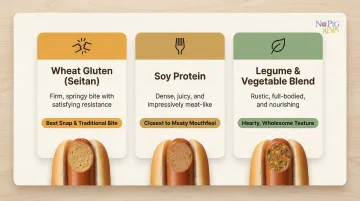
Base ingredient determines texture:
- Wheat gluten-based dogs have more snap and chew, mimicking a traditional hot dog bite
- Legume or vegetable-based dogs (like IKEA's kale-lentil-quinoa blend) offer a heartier, wholesome texture
- Soy-protein dogs come closest to the "meaty" mouthfeel most consumers expect
Nutrition varies more than most shoppers expect. Vital wheat gluten's protein structure gives plant-based dogs their firm, sliceable texture—but that processing comes with a cost. Sodium levels often reach 600–700 mg per link, and some brands will eat through your daily sodium budget in just two dogs. Always read the label before you buy.
The Best Plant-Based Hot Dogs, Ranked
These brands rose to the top across taste authenticity, grill performance, texture, and nutritional balance—drawing on real-world consumer feedback and multiple independent taste tests. Whether you prioritize protein content, ingredient simplicity, or a convincing hot dog flavor, there's a clear winner for each type of shopper.
Field Roast Classic Smoked Plant-Based Frankfurters
Field Roast produces these frankfurters using vital wheat gluten and recognizable ingredients like tomato paste, apple cider vinegar, onions, garlic, and paprika, making them one of the least processed options tested.
Standout quality: Rich, genuine smokiness that outperforms competitors, with a casing that sears and browns beautifully on the grill. Delivers 21–22 grams of protein per link. Rated #1 or #2 across Sporked, Eater, and Outside Online taste tests.
| Taste & Texture | Nutrition Highlights | Price & Availability |
|---|---|---|
| Deep smoky flavor with satisfying snap; grill marks form well; not mushy | ~21g protein, 6g fiber, low net carbs; keto-friendly; GMO-free | ~$8.69 per 12 oz package (4 links); available at major grocery chains and specialty vegan retailers |

MorningStar Farms Original Meatless Hot Dogs
One of the original plant-based hot dog brands, MorningStar Farms has been a vegetarian staple for decades. Their veggie dog uses a wheat gluten and pea protein base colored with real vegetable concentrates (carrot, tomato, radish).
Standout quality: Widely praised for nailing the sweet-savory flavor of a classic hot dog. At 60 calories per link, it's the lowest-calorie option tested, and it earned the highest taster consensus for "hot dog likeness" in Eater's blind taste test.
| Taste & Texture | Nutrition Highlights | Price & Availability |
|---|---|---|
| Sweet, mildly spiced, very "hot doggy" flavor; browns quickly on the grill—watch the heat | ~60 calories per link, very low fat (0.5g); 9g protein; lower protein than competitors | ~$4.58 per 8.4 oz package (6 links); widely available at Walmart, Target, and most major grocery stores |
Lightlife Jumbo Smart Dogs
Lightlife has been making Smart Dogs since 1979, claiming the title of best-selling vegan hot dog brand in the US. The jumbo version uses a soy and pea protein blend, is Non-GMO Project Verified, and is distributed more widely than nearly any competitor.
Standout quality: Most realistic hot-dog appearance of any plant-based brand tested. Lightlife's parent company is certified carbon-neutral, verified by the American Carbon Registry. Provides excellent value per link and is widely distributed—even in rural grocery stores.
| Taste & Texture | Nutrition Highlights | Price & Availability |
|---|---|---|
| Convincingly hot-dog-like; slightly drier texture; skin can puff oddly at high heat—medium heat recommended | Non-GMO; 13g protein; higher sodium (~600mg per link); good potassium and iron content | ~$4.49 per 13.5 oz package (5 links); one of the most widely distributed vegan hot dogs in the US |
IKEA KORVMOJ Vegetable Hot Dogs
IKEA's in-store veggie dog takes a different approach entirely. Rather than mimicking meat, it's built from a visible mix of kale (14%), lentils (14%), quinoa (9%), carrots, and onion, offering a wholly different eating experience.
Standout quality: Top marks for savory umami flavor and remarkable structural integrity on the grill. Visible grill marks form despite being mostly vegetables, and it held up without falling apart in testing. A cult favorite for shoppers who want real vegetables, not a meat facsimile, per Sporked and Eater.
| Taste & Texture | Nutrition Highlights | Price & Availability |
|---|---|---|
| Rich, hearty, salty-umami veggie flavor; visibly textured with vegetables; sturdy on the grill—does not fall apart | 122 calories per 100g, 8.1g protein, 668mg sodium; whole food ingredients | $0.65 per link at IKEA Bistro / $7.49 per package; only available at IKEA store locations or IKEA food delivery where available |
Impossible Foods Spicy Sausage Links (Best Gluten-Free Option)
While marketed as a sausage rather than a classic hot dog, Impossible Foods' plant-based links made from soy protein deliver the most "meat-like" umami of any option tested. They're also certified gluten-free, making them the only tested option suitable for gluten-intolerant shoppers.
Standout quality: The micronutrient profile stands out: each link provides 110% DV of vitamin B12, 40% DV of niacin, 35% DV of zinc, and 25% DV of folate. The casing sears well and delivers a crisp bite. Available in classic and spicy varieties.
| Taste & Texture | Nutrition Highlights | Price & Availability |
|---|---|---|
| Most savory, "meat-like" flavor of all tested; casing is thin and can tear during cooking—handle carefully; very soft before cooking | Certified gluten-free; exceptional vitamin/mineral content; high in fat (16g per link, 7g saturated)—best consumed in moderation |
The Worst Plant-Based Hot Dogs to Skip
Honest reviews require acknowledging the duds. These brands appeared in multiple taste tests and consistently disappointed on flavor authenticity, texture, or both. Skip these unless you've exhausted all other options.
Tofurky (Hot Dog Style)
While Tofurky's Italian sausages are well-regarded, their plain hot-dog-style links are underwhelming. Tasters describe the flavor as "bland but oddly peppery," with off-putting gray coloring and a texture more reminiscent of their Thanksgiving loaf than a ballpark frank.
Tofurky's hot dog style specifically (not their sausage line) ranks at the bottom of Eater's taste test with comparisons to "buttery pasta" and "matzo ball soup" rather than a smoky hot dog.
BeLeaf Vegan Hot Dogs
BeLeaf tastes overwhelmingly of artificial smoke. Tasters report: "can only taste smoke," "generic plant protein," and "appears to be a hot dog but is quite wrong". The texture mimics a hot dog on the surface, but the flavor doesn't follow — a 2021 Shop Smart review labeled it "plasticy, bitter and unrelentingly artificial."
Yeah Dawg
Yeah Dawg is the most texturally disappointing entry tested. The filling is spongy, with a lentil-forward flavor that multiple tasters compared to Stove Top Stuffing. One reviewer called it "oh-so-mushy" — a fair verdict. If you want a hot dog, this one won't deliver it.
How We Evaluated These Plant-Based Hot Dogs
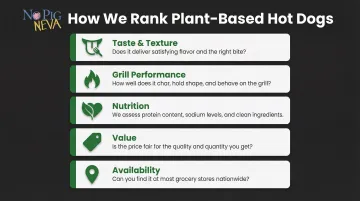
Each product was assessed on:
- Taste and texture: Flavor authenticity, snap, chew, smokiness
- Grill performance: Browning, structural integrity, casing behavior
- Nutrition: Protein content, sodium, fat, micronutrients
- Value: Price per link and per ounce
- Real-world availability: Distribution and ease of purchase
We drew from multiple independent taste tests including Eater, Sporked, Vegan in the Freezer, and Outside Online.
Common buyer mistake: Choosing plant-based hot dogs based on brand recognition alone. Newer or niche brands like Field Roast and IKEA consistently outperform well-funded marketing darlings in blind taste tests. A 2025 NECTAR blind taste test of 2,700 consumers found that consumers demand "bolder" (meatier, saltier, juicier) flavor profiles—and only a few brands deliver.
That last point matters practically, too. Specialty brands like Field Roast can be hard to find outside major metros. NoPigNeva stocks many of these harder-to-find options and ships them nationwide, so limited local availability doesn't have to limit your choices.
Conclusion
Field Roast leads the pack for taste and texture. MorningStar and Lightlife are the safest everyday picks. IKEA's veggie dog is the best whole-food alternative, and Impossible leads for nutrition and gluten-free needs. Steer clear of Tofurky dog-style, BeLeaf, and Yeah Dawg.
Try options outside your comfort zone, like IKEA's vegetable dog, and prioritize taste testing over marketing claims at the store.
Tracking down the best plant-based hot dog brands across multiple grocery stores takes real effort. NoPigNeva ships a curated selection of 100% vegan products, including meat alternatives, nationwide — with free shipping on orders over $99.99.
Frequently Asked Questions
Are plant-based hot dogs healthy?
Plant-based hot dogs are generally lower in saturated fat and cholesterol than meat hot dogs — traditional beef and pork links contain about 4.5g saturated fat and 46.7mg cholesterol each — but they're still processed foods high in sodium. Best enjoyed in moderation as part of a balanced, whole-food-rich diet.
Do plant-based hot dogs taste like regular hot dogs?
Top brands like Field Roast and MorningStar come very close to the real hot dog experience in taste and texture, while others are better understood as their own unique food rather than a direct replica. Taste remains a primary barrier to adoption, so checking our top-ranked picks before buying is worth your time.
Are plant-based hot dogs suitable for people with IBS?
Many plant-based hot dogs contain high-FODMAP ingredients like onion, garlic, or wheat gluten (seitan) which can trigger IBS symptoms. If you have IBS, look for low-FODMAP certified or soy/pea protein-based options and read ingredient labels carefully.
Can people with diabetes eat plant-based hot dogs?
Yes, with caveats. Plant-based hot dogs are lower in saturated fat, which supports cardiovascular health — a key concern for diabetes management. That said, high sodium (often 500–700mg per link) and processed carbohydrates mean moderation still applies.
What are plant-based hot dogs made of?
Most plant-based hot dogs are made from a protein base of vital wheat gluten, soy protein, or pea protein, blended with spices and seasonings, and encased in plant-derived casings like alginate (seaweed-based) or glycerin. Some newer options use whole vegetables and legumes like lentils, kale, and quinoa.