
Introduction
Cheese consistently ranks as the hardest food to give up when transitioning to a dairy-free or plant-based diet. One widely cited survey found 49% of people reducing animal products identified dairy as the hardest category to cut. The emotional attachment makes sense—cheese delivers umami depth, creamy richness, and nostalgic comfort that few foods can match.
That attachment is getting harder to justify passing up, though. The plant-based cheese market has changed more in the last five years than in the previous two decades. What was once defined by rubbery texture and artificial flavor now includes brands using traditional fermentation, cultured cashews, and oat bases that genuinely rival dairy.
Even so, walking into a grocery store can feel overwhelming. Not all plant-based cheeses deliver on taste, meltability, or texture—and choosing the wrong brand for the wrong application can derail your dairy-free experience before it begins. This guide cuts through the noise and highlights the brands worth buying.
TLDR
- Plant-based cheese has improved dramatically—top brands now rival dairy in flavor, texture, and melt
- The best pick depends on your use case: melting, spreading, snacking, and crumbling all call for different brands
- Key factors include base ingredients, meltability, flavor authenticity, allergen profile, and certifications
- Top picks: Violife, Miyoko's Creamery, Follow Your Heart, Treeline Cheese, and Daiya
- Shop these brands through NoPigNeva with free nationwide shipping on orders over $99.99
What Is Plant-Based Cheese — and Why Has It Gotten So Much Better?
Plant-based cheese is dairy-free cheese made from ingredients like cashews, coconut oil, almonds, oat milk, or tapioca starch. Modern brands use fermentation and culturing techniques to replicate the tangy, creamy depth of dairy cheese—the same processes cheesemakers have used for centuries.
The numbers tell the story: the global vegan cheese market was valued at $3,510.1 million in 2024 and is projected to reach $9,897.4 million by 2033, growing at a CAGR of 12.1%. Part of this growth comes down to biology — approximately 65% to 70% of the global population has a reduced ability to digest lactose after infancy.
Traditional fermentation — using live microorganisms like lactic acid bacteria — has transformed what plant-based cheese can do. Compared to older oil-and-starch formulas, fermented varieties deliver better flavor, improved meltability, and stronger nutritional profiles. That improvement shows up across every format on the market.
Format Types Available:
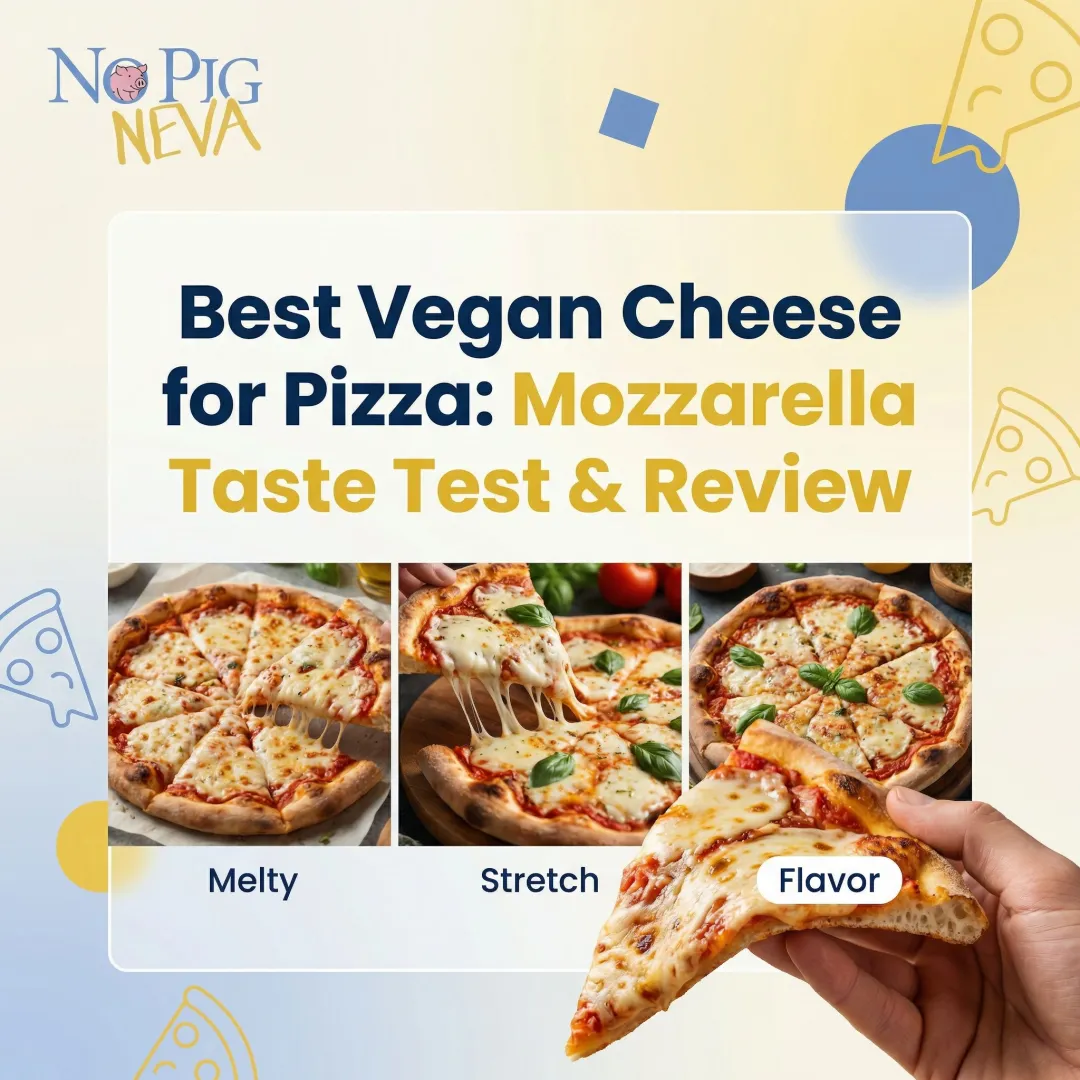
- Shreds — melt well in pizza, quesadillas, and casseroles
- Slices — sized for sandwiches, burgers, and stacking
- Blocks — slice or cube for snacking and cheese boards
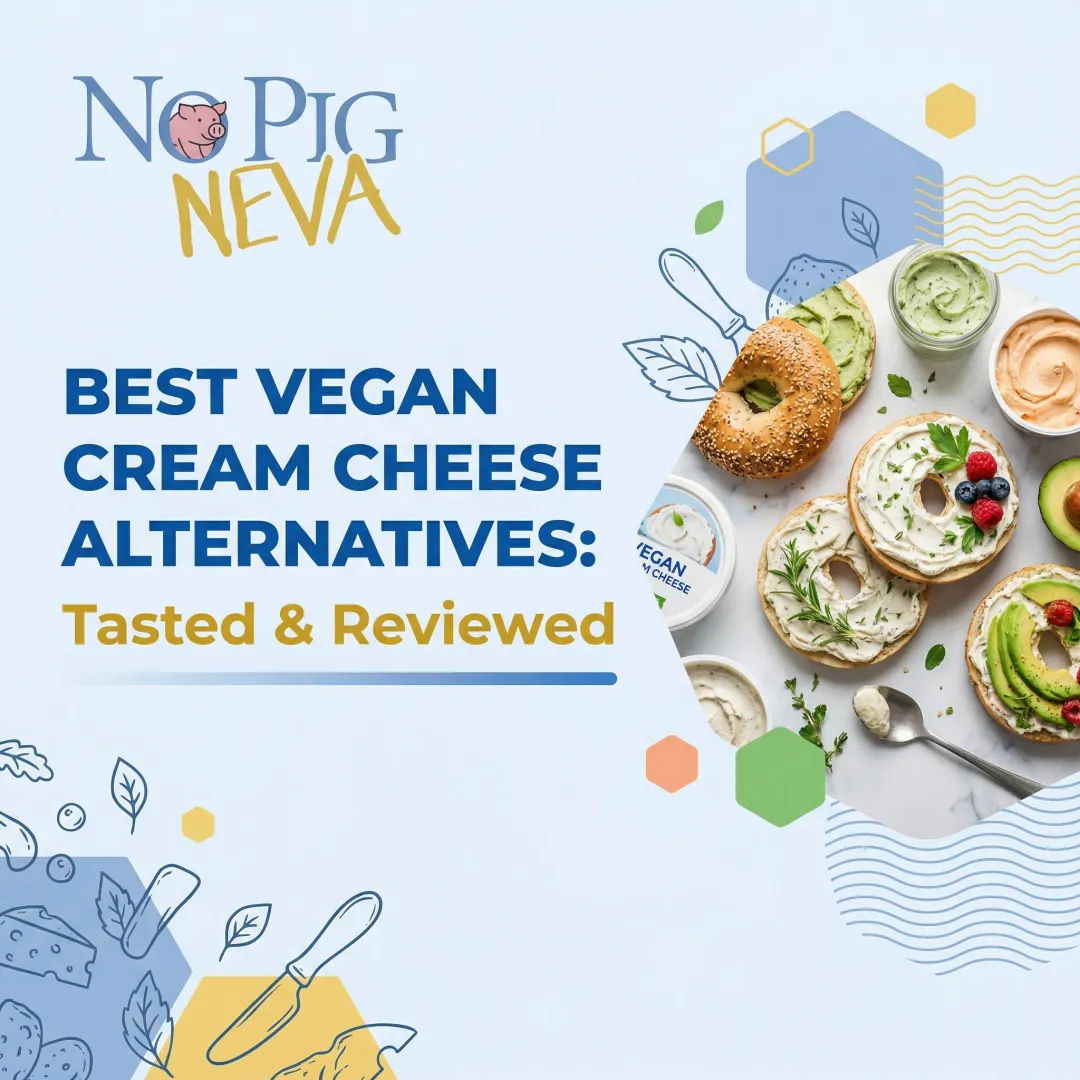
- Cream cheese — spreadable, works on bagels and as a dip base
- Crumbles — loose texture ideal for salads and finishing pasta
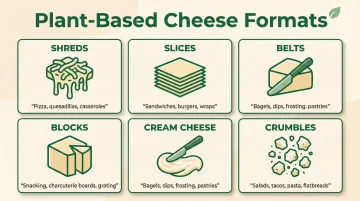
Knowing which format fits your cooking style makes a real difference in the final result.
Top Plant-Based Cheese Brands Worth Buying
The brands below were selected based on flavor authenticity, ingredient quality, format variety, and real-world usability. Each one has held up in real kitchens—whether that means melting cleanly on pizza or convincing a skeptical omnivore at a cheese board.
Violife
Violife is a European brand (originally from Greece) now widely available across U.S. grocery chains. The lineup includes shreds, slices, blocks, cream cheese, and feta alternatives—all certified 100% vegan and free from dairy, gluten, soy, and nuts.
What makes Violife stand out:
- Mozzarella and cheddar shreds are among the most reliable for melting in hot dishes
- The Epic Mature Cheddar block is bold enough to eat cold on crackers or charcuterie boards
- Wide allergen-friendly profile makes it accessible for most dietary needs
- Serious Eats rated it a top melting cheese; Make It Dairy Free notes it tastes close to real cheese on pizza
| Best Format | Best Used For | Key Certifications / Notes |
|---|---|---|
| Shreds (mozzarella & cheddar), Mature Cheddar Block, Just Like Feta | Pizza, mac and cheese, grilled cheese, Greek salad, charcuterie boards | 100% vegan, gluten-free, soy-free, nut-free; widely available at Whole Foods, Walmart, Target |
Miyoko's Creamery
For a step up in ingredient quality, Miyoko's is the artisan option. The brand uses organic, whole-food ingredients with no seed oils or gums—a meaningful distinction if you're reading labels closely. The product range includes cashew-based cream cheese, pourable mozzarella, spreadable cheese wheels, and cultured slices.
- The Pourable Plant Milk Mozzarella is uniquely designed to bubble and brown like dairy when baked—ideal for pizza and pasta
- Cream cheese is made from cultured cashews with a clean, tangy flavor profile
- Certified B Corp with strong ethical positioning
- Praised by Go Dairy Free for its clean, minimal ingredients
| Best Format | Best Used For | Key Certifications / Notes |
|---|---|---|
| Pourable Mozzarella, Cream Cheese (plain/everything), Spreadable Cheese Wheels | Baked pizza, lasagna, stuffed pasta, bagels, crackers and charcuterie | USDA Organic, Certified B Corp; found at Whole Foods, Sprouts, and select regional grocers |
Follow Your Heart
Follow Your Heart is a long-established California-based brand offering one of the widest product ranges in the plant-based cheese category. The lineup includes slices, shreds, parmesan, feta crumbles, and cream cheese.
- Vegan feta crumbles are briny and crumbly with an authentic tangy bite
- Parmesan shreds melt into pasta well
- Products are often soy-free and allergen-friendly
- Mild, consistent flavor makes it approachable for first-time plant-based cheese buyers
| Best Format | Best Used For | Key Certifications / Notes |
|---|---|---|
| Feta Crumbles, Parmesan Shreds, American/Cheddar Slices | Greek salads, pasta finishing, cold sandwiches, wraps | Vegan, gluten-free (select products), soy-free (select products); available at most major grocery chains |
Treeline Cheese
Treeline is a small-batch, artisan cashew-based cheese brand known for clean ingredients—no coconut oil, no palm oil, non-GMO certified. The product line includes spreadable French-style cheese, cream cheese, ricotta, and aged-style formats.
- Cashew cream cheese has a smooth, tangy texture with very little "cashew" flavor—making it one of the most dairy-convincing cream cheeses available
- The garlic & herb spreadable variety is highly popular
- Clean ingredient list appeals to health-conscious shoppers
- Named "best vegan cheese brand" by Tasting Table (2025), noting it "would fool any dairy eater" with its cheesy tang
| Best Format | Best Used For | Key Certifications / Notes |
|---|---|---|
| French-Style Spreadable Cheese (Garlic & Herb), Cashew Cream Cheese, Vegan Ricotta | Bagels, crackers, crostini, stuffed pasta, cheese boards | Non-GMO certified, no palm or coconut oil; available at Whole Foods, Wegmans, Sprouts, and online |
Daiya
Daiya is one of the most widely available and longest-standing plant-based cheese brands in the U.S.—found in mainstream grocery chains nationwide. Recent reformulation uses an oat cream base, which is a notable improvement over earlier versions. The range includes shreds, slices, cream cheese, blocks, and frozen products.
- Most accessible entry point for people new to plant-based cheese given broad distribution
- Oat milk shreds melt more cleanly than earlier coconut-starch versions
- Wide format selection including gluten-free frozen pizzas and slices with a slightly sharp, distinctly cheesy flavor
- Late 2023 reformulation praised by Make It Dairy Free for melting "so much better" than prior versions
| Best Format | Best Used For | Key Certifications / Notes |
|---|---|---|
| Oat Cream Shreds (Cheddar/Mozzarella), Swiss Style Slices, Cream Cheese | Weeknight comfort food, nachos, quesadillas, casseroles, baked pasta | Vegan, gluten-free (select products); available at Walmart, Target, Kroger, Whole Foods, and most major retailers nationwide |
Best Plant-Based Cheese by Use Case — A Quick Reference
Choosing the right plant-based cheese starts with knowing your use case. The same brand that melts beautifully on pizza may taste off eaten cold. Match the brand to the application for best results.
Quick-Reference Breakdown:
- Best for melting: Violife shreds, Daiya oat cream shreds, Miyoko's pourable mozzarella
- Best for bagels and spreading: Treeline cream cheese, Miyoko's cream cheese
- Best for cheese boards and snacking: Miyoko's wheels, Treeline garlic & herb, Violife mature cheddar block
- Best for salads and crumbling: Follow Your Heart feta
- Best for budget and accessibility: Daiya (available at most major stores nationwide)
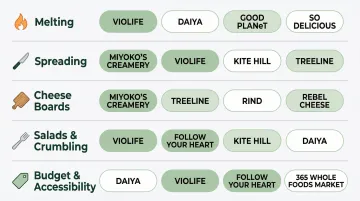
NoPigNeva carries Violife, Miyoko's, Treeline, and Follow Your Heart—so you can stock multiple formats in a single order, shipped nationwide, without tracking them down store by store.
How We Chose the Best Plant-Based Cheese Brands
Brands were assessed across five criteria:
1. Flavor Authenticity Does it taste like what it's trying to replicate? Specifically, does it deliver umami depth and tangy complexity?
2. Melt and Texture Performance Does it melt smoothly, bubble, and brown when heated — and hold its structure when cold?
3. Ingredient Quality and Certifications Are ingredients clean and whole-food-based, with vegan, non-GMO, or organic certifications to back them up?
4. Format Variety Does the brand offer multiple formats — shreds, slices, blocks, cream cheese — for different cooking applications?
5. Accessibility for U.S. Shoppers Is it available at major grocery chains or reliable online retailers?
Within those criteria, a few factors consistently separated the top performers from the rest:
- Nut-based cheeses (cashew, almond) tend to be more flavorful and digestible than starch-only formulas
- Fermented or cultured varieties add authentic tang and depth, closer to traditional cheesemaking
- Allergen profile matters — nut-free, soy-free, and gluten-free options serve very different dietary needs
- Third-party certifications (vegan, non-GMO, organic) provide a useful quality baseline when ingredients are hard to parse
Worth noting: No single brand wins across all categories. Choosing based on familiarity alone is a common misstep — the better approach is matching the right cheese to the right use case. Most people land on two or three go-to brands once they've tested a few formats.
Conclusion
The brands in this guide aren't just passable substitutes—they represent real progress in flavor, meltability, and ingredient quality that makes dairy-free eating genuinely satisfying.
Use the use-case guide above rather than defaulting to one brand for everything—and look for certified vegan, non-GMO, and allergen-friendly labels as a quality baseline.
Finding these brands locally can be hit or miss. NoPigNeva carries a curated selection of premium plant-based products—including many of the cheese brands featured here—with free nationwide shipping on orders over $99.99.
Frequently Asked Questions
Is there a dairy-free cheese that actually tastes good?
Yes, several brands today genuinely deliver on flavor. Miyoko's, Treeline, and Violife are standout examples that have received strong reviews for taste and texture from both vegans and food critics.
What is the best plant-based cheese?
It depends on how you're using it. Violife leads for melting, Treeline excels for spreading, and Miyoko's stands out for overall quality and clean ingredients. Match the brand to your intended application for best results.
Is plant-based cheese healthy for you?
Plant-based cheese is cholesterol-free and works well for those with lactose intolerance, but many brands are high in sodium and coconut oil — so checking labels matters. Nut-based options generally have cleaner ingredient profiles than starch-heavy formulas.
Is there a plant-based slice cheese?
Yes — Violife mature cheddar slices, Follow Your Heart American and cheddar slices, and Daiya Swiss-style slices are widely available options good for sandwiches and burgers. Most major brands offer sliced formats.
What is plant-based cheese made of?
Common base ingredients include cashews, almonds, coconut oil, oat milk, tapioca starch, and tofu. Many brands use fermentation or culturing to develop the tangy, creamy flavor associated with dairy cheese.