
Introduction
Picture this: you're standing in your kitchen, bagel freshly toasted, ready to slather on that creamy, tangy spread—or maybe you're prepping a vegan cheesecake that needs to taste just as indulgent as the dairy version. Going vegan doesn't mean giving up cream cheese. In fact, the plant-based dairy market has exploded, with U.S. retail sales hitting $8.1 billion in 2024.
But not all vegan cream cheeses deliver. Some turn watery on a warm bagel, others taste flat and lack that signature tang, and many crumble or separate when baked.
With 11% of U.S. consumers now identifying as flexitarian, consumer expectations have risen sharply. Plant-based cream cheese now needs to hold up on a bagel, in a recipe, and on taste—no excuses.
This guide puts the top vegan cream cheese brands to the test, evaluating taste, texture, spreadability, and baking performance so you can find your perfect match.
TL;DR
- Bases like cashews, almonds, coconut oil, and soy each produce different textures and flavor profiles
- The best options replicate dairy's mild tang, smooth spread, and slight density
- Top picks: Violife (allergen-friendly), Kite Hill (authentic tang), Miyoko's (baking), Daiya and Tofutti (budget)
- Rated on flavor, spreadability, ingredient quality, heat stability, and value
- All brands reviewed are 100% vegan and widely available across the USA
What Makes a Great Vegan Cream Cheese?
Great cream cheese—dairy or vegan—has three defining qualities: a mild tangy flavor, a dense yet spreadable consistency, and slight richness. Replicating these without dairy is harder than it sounds, because milk fat and lactic acid cultures are what create that signature texture and taste.
The base ingredient does most of the heavy lifting. Cashews deliver creaminess and take well to fermentation. Coconut oil provides firmness but can taste waxy. Soy brings protein structure, though it sometimes produces a slightly grainy result.
Spreading vs. Baking: Different Demands
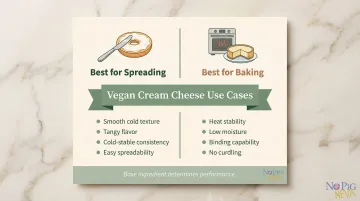
Vegan cream cheese serves two distinct purposes, each requiring different properties:
For spreading:
- Smooth, creamy texture straight from the fridge
- Tangy, authentic flavor profile
- Cold-stable consistency that doesn't weep or separate
- Easy to knife across bagels, toast, or crackers
For baking:
- Heat stability that maintains structure when cooked
- Low moisture content to prevent sogginess in cheesecakes
- Binding capability for frostings and fillings
- Minimal separation or curdling at high temperatures
Those baking demands in particular come down to base ingredient. Cultured nut bases like cashew and almond consistently rank higher for authentic tang and texture, while coconut oil blends provide firmness but can melt unpredictably under heat.
Reading the Ingredient List
When choosing vegan cream cheese, scan for these quality markers:
Look for:
- Live and active cultures (creates authentic tang)
- Whole food bases (cashews, almonds, soy)
- Minimal additives and recognizable ingredients
- Organic or non-GMO certifications
Watch out for:
- Excessive gums (xanthan, locust bean, carrageenan) that create gummy texture
- High water content listed early in ingredients (leads to sogginess)
- Artificial flavors or colors
- Hydrogenated oils (found in some older formulations)
Research shows that over-reliance on hydrocolloids to compensate for low protein content often results in the gummy, sticky texture that consumers dislike most.
Best Vegan Cream Cheese Brands: Tasted & Reviewed
Each brand below was evaluated on taste, texture, spreadability, performance in raw and heated applications, and ingredient quality—here are the top picks.
Violife Just Like Cream Cheese
Violife is a widely available European vegan brand known for allergen-friendly products. This cream cheese is soy-free, nut-free, and gluten-free, making it one of the most inclusive options on the market. Its base is coconut oil and modified starch, certified by The Vegan Society and enriched with Vitamin B12.
The standout quality: smooth and spreadable straight from the fridge, with a clean, mild flavor that works beautifully on bagels and crackers. It's closest to Philadelphia-style cream cheese in texture. However, because it relies heavily on coconut oil rather than protein, reviewers note it can taste slightly buttery or oily and lacks the acidic tang of cultured alternatives. It performs moderately in baking but may melt unpredictably when heated.
| Attribute | Details |
|---|---|
| Base Ingredient | Coconut oil and modified starch |
| Texture & Flavor | Smooth, creamy, mild tang—very close to Philadelphia-style cream cheese |
| Best For | Spreading on bagels, toast, dips; moderate baking use |
Kite Hill Cream Cheese Style Spread
For health-conscious consumers seeking clean-label products, Kite Hill is the go-to artisan-style option, built around almond milk-based dairy alternatives. The spread uses almond milk fermented with live and active cultures, plus enzymes, xanthan gum, guar gum, and lactic acid.
Kite Hill has a noticeably tangy flavor profile due to live cultures—frequently named the unanimous winner in comprehensive taste tests for its authentic, dairy-like tang. The texture is slightly softer than dairy cream cheese but blends exceptionally well into sauces, dips, and frostings. It's the closest match to real cream cheese in flavor complexity. Found at major retailers including Whole Foods and Target.
| Attribute | Details |
|---|---|
| Base Ingredient | Almond milk with live cultures |
| Texture & Flavor | Soft, tangy, culture-forward—closest to real cream cheese in flavor |
| Best For | Spreading, frostings, dips, and light cheesecakes |
Miyoko's Creamery Organic Cream Cheese
Miyoko's is a premium artisan vegan cheese brand rooted in traditional cheese-making techniques. It uses organic cultured cashew milk, organic coconut cream, sea salt, and cultures, and holds USDA Organic certification—positioning it as the gourmet pick.
Miyoko's is the top performer for baking: it holds structure when heated, has a rich buttery-tangy depth of flavor, and behaves most like dairy cream cheese in recipes like cheesecakes and savory pastries. Recipe developers highlight its superior performance specifically because of its thick, protein-rich consistency.
Some reviewers note it can be quite tart and slightly grainy when spread cold, but it excels in heated applications. The price point is higher, reflecting its organic certification and artisan production—available in over 20,000 retailers including Whole Foods, Target, and Kroger.
| Attribute | Details |
|---|---|
| Base Ingredient | Organic cashews with live cultures |
| Texture & Flavor | Rich, buttery, deeply tangy—complex flavor with slight nuttiness |
| Best For | Baking cheesecakes, cream cheese frostings, premium spreads |
Daiya Cream Cheeze Style Spread
Daiya is a widely accessible, allergen-friendly brand (soy-free, nut-free, gluten-free) that prioritizes affordability and availability, found in most major grocery chains across the USA. Daiya recently overhauled its formula to combat historical complaints about texture.
The new base is the "Daiya Oat Cream Blend" (water, gluten-free oat flour, pea protein, cultures, enzymes) mixed with coconut oil and modified potato starch. Third-party reviewers note the reformulation is significantly smoother, more spreadable, and thicker than previous iterations.
Daiya's texture is thicker and denser than some alternatives, making it easy to spread but with a flavor that is milder and less tangy than dairy cream cheese. It's certified gluten-free and plant-based, making it the most practical pick for households managing multiple food allergies on a budget.
| Attribute | Details |
|---|---|
| Base Ingredient | Oat flour, pea protein, and coconut oil |
| Texture & Flavor | Thick, dense, mild flavor—less tang than dairy but consistent texture |
| Best For | Everyday spreading, dips, budget-friendly baking |
Tofutti Better Than Cream Cheese
Few brands can claim a 40-year head start: Tofutti has offered dairy-free cream cheese since 1981, well before most competitors entered the space. It's a soy-based product using soy protein and tofu, and one of the most widely recognized names in the category.
Tofutti has a familiar, dense texture and a neutral flavor profile that works well in savory recipes and traditional baked goods. The brand has phased out the partially hydrogenated oils used in its original recipes, though it still uses palm oil and natural gums.
Its flavor can read as slightly bland next to modern cultured products, but that protein-rich, firm texture makes it highly reliable for baking, frostings, and sauces. Widely available and typically among the most affordable options in the category.
| Attribute | Details |
|---|---|
| Base Ingredient | Soy protein and tofu |
| Texture & Flavor | Dense, firm, neutral—familiar consistency close to block-style cream cheese |
| Best For | Savory recipes, traditional cheesecakes, budget-friendly everyday use |
How We Chose the Best Vegan Cream Cheese
Products were assessed across four critical dimensions:
- Taste — tang level, flavor complexity, and how closely it mimics dairy cream cheese
- Texture — spreadability cold and at room temperature, mouthfeel, and consistency
- Ingredient quality — base ingredient, additives, and certifications (vegan, non-GMO, organic, gluten-free)
- Baking performance — heat stability, moisture content, and binding in cheesecakes and frostings
These criteria were chosen specifically to address the most common buying mistakes: selecting on price alone, mismatching the base ingredient to the intended use (cashew works better for baking; coconut oil bases spread more easily), or overlooking allergen profiles.
Certifications matter because they reflect quality control and ethical sourcing commitments important to the core audience. All brands reviewed hold vegan certifications, with Miyoko's carrying USDA Organic and Daiya holding both Certified Plant-Based and Gluten-Free credentials.
Where to Buy Vegan Cream Cheese Online
While many of these brands appear in Whole Foods, Sprouts, or local grocery chains, availability varies significantly by region—making online sourcing a practical solution for consistent access to the full range.
NoPigNeva is an online vegan grocery store shipping across the USA, carrying a curated selection of plant-based alternatives including vegan cream cheese brands. The store offers free shipping on orders over $99.99 with no membership required.
For regular shoppers, NoPigNeva's membership program adds a 10% discount on all purchases—a straightforward way to save when stocking up on hard-to-find vegan products.
Beyond convenience, it's worth knowing what to look for when ordering vegan cream cheese online:
- Look for certified 100% vegan and non-GMO labels to avoid hidden animal derivatives
- Confirm allergen details before purchasing, especially if managing soy, nut, or gluten sensitivities
- Check shipping conditions—cream cheese alternatives often require refrigerated or expedited delivery
NoPigNeva's entire catalog meets vegan and non-GMO standards, so you can skip the label-checking and shop with confidence.
Conclusion
The best vegan cream cheese comes down to how you plan to use it. Here's a quick recap:
- Violife and Kite Hill — best for everyday spreading; smooth texture, authentic flavor
- Miyoko's — top pick for baking; holds up to heat and adds real richness
- Daiya and Tofutti — solid budget options for both savory and sweet recipes
Each brand has its strengths, and the best way to find your favorite is to try a few.
Whether you're stocking up for bagel mornings or planning a homemade vegan cheesecake, browse the full range of vegan cream cheese and dairy-free alternatives at NoPigNeva—100% plant-based, with nationwide delivery across the USA.
Frequently Asked Questions
What is a good vegan substitute for cream cheese?
The best vegan substitutes include cashew-based options like Miyoko's for baking (holds structure when heated), coconut oil-based spreads like Violife for spreading (smooth and allergen-free), and soy-based options like Tofutti for everyday savory use. Choice depends on whether you need tang, heat stability, or allergen-friendly formulation.
What is the best plant-based cream cheese?
Miyoko's Creamery ranks highest for taste and baking performance—its organic cashew base and live cultures create authentic tang and rich texture. For everyday spreading, Violife leads due to its allergen-free profile (soy-free, nut-free, gluten-free) and smooth, cold-spreadable consistency.
Is there a non-dairy version of cream cheese?
Yes, multiple non-dairy cream cheeses exist made from cashews, almonds, coconut oil, or soy—all fully free of milk and lactose. Kite Hill, Miyoko's, Violife, Daiya, and Tofutti are widely available in stores and online across the USA, covering a range of dietary needs and allergen restrictions.
Does vegan cream cheese taste like regular cream cheese?
Culture-fermented options like Kite Hill and Miyoko's come closest, developing genuine tang through live bacteria similar to dairy cheesemaking. Most others are milder, but texture and spreadability are closely comparable to dairy cream cheese—especially coconut oil-based spreads like Violife.
Can you use vegan cream cheese in baking?
Yes, vegan cream cheese works in cheesecakes, frostings, and dips, but results vary by brand. Cashew-based options with lower moisture content like Miyoko's perform best because they hold structure when heated. High-water-content spreads may affect texture in baked applications, causing sogginess or separation in cheesecakes.
How long does vegan cream cheese last after opening?
Most opened vegan cream cheese lasts 5–7 days refrigerated when sealed tightly. Kite Hill and Daiya advise consuming within 7 days; Miyoko's aligns with a two-week guideline. Check your brand's label for specifics, as shelf life varies by base ingredient and preservative use.