
Introduction
Few foods spark comfort like a warm bowl of mac and cheese. The creamy, tangy richness paired with tender pasta feels like home on a plate. Going plant-based doesn't mean sacrificing this classic—this veggie-and-cashew-based version might just become your new favorite.
Here's what sets this recipe apart:
- Uses whole-food ingredients instead of processed vegan cheese products
- Builds a silky sauce from real vegetables and cashews
- Comes together in under 30 minutes
- Adapts easily for nut-free, gluten-free, or loaded variations
- Sauce freezes well — perfect for busy weeknights
TLDR
- Blended veggie-and-cashew sauce delivers rich, creamy comfort without processed fake cheese
- Ready in under 30 minutes with pantry-friendly ingredients
- Easily adapted for nut-free, gluten-free, or extra-cheesy variations
- Freeze sauce portions ahead of time — portions keep for up to 3 months
What Makes This Plant-Based Mac and Cheese Actually Work
Most vegan mac and cheese recipes fall into one of three traps: they taste flat, rely heavily on processed vegan cheese products, or use so many nuts that fat and calories rival dairy versions. Let's be honest—this recipe won't taste identical to Kraft. But it is genuinely delicious and satisfying.
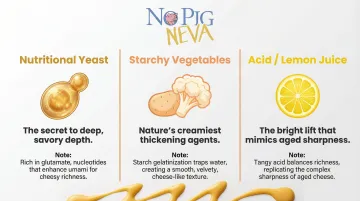
The "cheesy" flavor comes from smart ingredient science:
- Nutritional yeast contributes savory umami notes. Research shows its nucleotides are 100 times more taste-active than MSG, creating that signature savory depth
- Cooked starchy vegetables (potato or cauliflower) provide thick, velvety body. Potato starch gelatinizes as it cooks, binding with water to create a naturally thick, creamy consistency without any dairy
- Acid (lemon juice or apple cider vinegar) brightens and balances the sauce the way aged cheese would
What sets this recipe apart:
- Uses whole-food ingredients with no processed vegan cheese required
- Sneaks in vegetables without changing the texture
- Wins over non-vegans consistently — it doesn't taste like a compromise
- Makes large batches that store and freeze well
Key Ingredients and What They Do
Veggie Base
Two main options work:
Russet potato + carrot creates a thick, starchy sauce with golden color. Cauliflower + carrot produces a lighter, slightly sweeter sauce. Both work well—choose based on preference and what's on hand. Carrot is essential in both for the orange hue and mild sweetness.
Raw Cashews
Cashews provide the fat and creaminess that give this sauce its rich, smooth texture without added oil. Soak them 20–30 minutes in hot water (or longer in cold) to ensure silky blending.
Nut-free substitute: Use raw sunflower seeds, cooked potato, or white beans for allergy-safe households. Texture will be slightly less rich but still creamy.
Nutritional Yeast
This is the secret weapon of vegan cheese sauces. Nutritional yeast is deactivated Saccharomyces cerevisiae—an inactive yeast with naturally savory, cheesy flavor. It's not the same as bread yeast and won't make anything rise.
You'll find it at health food stores like Whole Foods, major retailers like Walmart, and online at NoPigNeva, which ships plant-based pantry staples nationwide.
Aromatics and Seasoning
Each ingredient builds the complexity that mimics cheese sauce:
- Garlic (fresh or powder) adds pungency
- Onion (fresh or powder) provides savory depth
- Smoked paprika contributes smoky richness
- Salt enhances all flavors
Acid Ingredient
Lemon juice or apple cider vinegar is non-negotiable. Acid cuts through cashew richness and activates a tangy note that reads as cheesy on the palate. Use 1 tsp–1 tbsp and adjust to taste.
Step-by-Step Instructions
Step 1: Cook the Vegetables
Add veggie base (potato or cauliflower + carrot + onion + garlic) to a pot with water or vegetable broth. Bring to a boil, then simmer with lid on until fork-tender, approximately 15–20 minutes.
Time-saver: Add cashews to the pot in the last 10 minutes for a quick soak.
Step 2: Cook the Pasta
While vegetables simmer, cook pasta according to package directions.
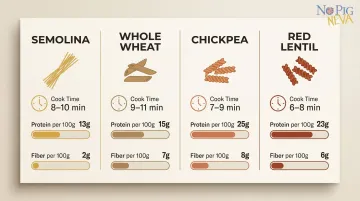
Pasta options:
- Whole wheat pasta adds fiber and a slightly nutty flavor
- Chickpea or lentil pasta boosts protein and works well gluten-free
| Pasta Type | Cook Time | Protein (per 100g) | Fiber (per 100g) |
|---|---|---|---|
| Semolina | 9-10 mins | 12.5g | 3.0g |
| Whole Wheat | 10-12 mins | 13.5g | 8.5g |
| Chickpea | 6-8 mins | 14.0g | 8.0g |
| Red Lentil | 7-9 mins | 25.0g | 11.0g |
Drain and set aside.
Step 3: Blend the Sauce
Transfer cooked vegetables and remaining cooking liquid to a high-powered blender. Add drained cashews, nutritional yeast, an acid (lemon juice or apple cider vinegar both work), salt, and spices. Blend on high for 1–2 minutes until the sauce is completely smooth and creamy.
Standard blender tip: Soak cashews longer and blend in smaller batches for best results.
Step 4: Combine and Serve
Return pasta to its pot over low heat. Pour cheese sauce over pasta and stir to coat thoroughly. Adjust seasoning with black pepper and additional salt as needed. Turn off heat and serve right away — the sauce thickens noticeably as it cools.
Serving ideas:
- Top with smoked paprika or chili flakes for extra depth
- Add steamed broccoli or peas to bulk up the meal
- A squeeze of lemon just before serving brightens the whole dish
Step 5: Taste and Adjust
The sauce flavor deepens the longer it rests. Before serving, taste and adjust:
- Add nutritional yeast a teaspoon at a time for a richer, cheesier flavor
- Squeeze in extra lemon juice or a dash of vinegar to brighten the sauce
- Stir in a splash of pasta water or broth to thin the consistency
Variations and Substitutions
Nut-Free Version
Substitute cashews with an equal amount of raw sunflower seeds (similar fat profile, blends smoothly), or replace with ½ cup cooked white beans or an extra ½ cup potato for a lower-fat, allergy-safe option. Texture may be slightly less rich but still creamy.
Gluten-Free Version
Swap regular pasta for brown rice, quinoa, or chickpea/lentil elbows. Legume-based pastas are certified gluten-free and add protein and fiber.
Verify all other ingredients are certified gluten-free—some nutritional yeast brands may differ in processing.
Extra Cheesy Version with Store-Bought Vegan Cheese
For intensely cheesy flavor or creamier melt, stir in ¼–½ cup shredded vegan cheddar or mozzarella while sauce is warm.
Top brands by melt quality:
- Violife: gooey, smooth melt with consistent texture
- Follow Your Heart: melts evenly and blends into the sauce well
- Miyoko's: built for stretch, with an ooey-gooey pull
Note that flavor and melt quality vary by brand.
Baked Mac and Cheese Version
- Transfer the sauced pasta to a baking dish.
- Top with panko breadcrumbs tossed in vegan butter or oil.
- Bake at 350°F for 15–20 minutes until golden.
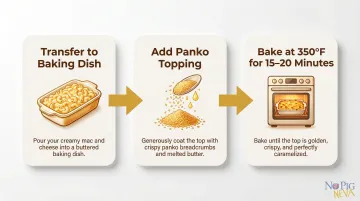
This method creates a firmer, crispier texture — ideal for dinner parties or meal prep.
How to Serve, Store, and Reheat
Serving Suggestions
Complementary additions include:
- Steamed or roasted broccoli stirred in
- Sprinkle of vegan parmesan (nutritional yeast + crushed nuts)
- Dash of hot sauce for heat
Beyond mac and cheese: This sauce works as a dip for raw vegetables, topping for baked potatoes, or sauce for enchiladas. Making a large batch offers versatility.
Storage
Refrigeration: Store leftover sauce separately from pasta in an airtight container for up to 7 days. Storing together causes pasta to absorb sauce and dry out.
Freezing: Pour sauce into silicone muffin cups or ice cube tray. Freeze solid, then transfer to an airtight bag. Individual portions can be thawed and reheated as needed for up to 3 months.
Important: USDA guidelines require refrigerating perishable food within 2 hours of cooking (1 hour if temperature exceeds 90°F).
Reheating
Two methods work well:
- Stovetop: Warm over low heat with a splash of water or plant milk, stirring frequently, until creamy
- Microwave: Heat in 30-second intervals, stirring between each, until hot throughout
Sauce thickens as it cools, so plan to add liquid either way. All leftovers should reach 165°F before serving.
Frequently Asked Questions
Frequently Asked Questions
Is plant-based cheese healthier than real cheese?
Plant-based cheese typically contains less saturated fat and no cholesterol compared to dairy cheese (6g saturated fat and 30mg cholesterol per ounce). That said, processed versions are often high in sodium and refined oils. Whole-food-based sauces like this recipe sidestep both problems.
What are plant-based cheeses made from?
Main bases include cashews and other nuts, soy (tofu, soy milk), coconut oil, root vegetables (potatoes, carrots), and nutritional yeast for flavor. Whole-food versions skip refined ingredients while store-bought varieties vary widely in composition.
What is a vegan substitute for butter in mac and cheese?
Vegan butter brands like Earth Balance or Miyoko's work well, or use a small drizzle of olive oil. You can also omit butter entirely—this recipe's cashew-based sauce provides enough richness on its own.
What is the best plant-based cheese for pasta?
Cashew-based homemade sauces offer the best creaminess and flavor. Among store-bought shredded options, Follow Your Heart and Violife melt well and have mild, versatile flavor suited to pasta dishes.
Is vegan cheese good for IBS?
Dairy cheese is a common IBS trigger due to lactose, so plant-based alternatives are often better tolerated. Cashew-based versions can still be problematic for FODMAP-sensitive individuals, but the potato/cauliflower base in this recipe is gentler on digestion. Cauliflower has recently been reclassified as low-FODMAP in ¾ cup servings.
What is in loaded mac and cheese?
Common plant-based additions include roasted broccoli, caramelized onions, sautéed mushrooms, crispy chickpeas, smoked paprika, or a breadcrumb crust.