TL;DR
- Most whole-food plant proteins (lentils, chickpeas, quinoa) are naturally gluten-free, but seitan is pure wheat gluten
- Processed vegan products often hide gluten in binders, sauces, or shared manufacturing lines
- For celiac disease, "certified gluten-free" is what counts — "naturally gluten-free" doesn't guarantee safe processing
- Check every label for third-party gluten-free certification logos before buying
- Cross-contamination during growing and processing poses real risks, even for naturally gluten-free foods
What Plant-Based Protein Is and How Gluten Fits In
Plant-based protein refers to proteins derived entirely from plant sources—legumes, grains, nuts, seeds, and soy products. These appear both as whole foods (beans, lentils) and concentrated forms (protein powders, meat alternatives). The category spans from minimally processed chickpeas to highly engineered veggie burgers, and gluten risk varies dramatically across this spectrum.
Gluten is a group of proteins found in specific grains: wheat (all Triticum species), barley, rye, and their hybrids like triticale. Under FDA regulations (21 CFR 101.91), foods labeled "gluten-free" must contain less than 20 parts per million (ppm) of gluten. Plants themselves don't contain gluten unless those specific grains are involved in the product's formulation or production environment.
Why the Confusion Exists
The plant-based category's wide range creates confusion. A bag of dried lentils carries no meaningful gluten risk, while a plant-based sausage might be built entirely around wheat gluten. Processing matters as much as the source ingredient.
Critical distinction:
- Naturally gluten-free: Ingredients like quinoa and chickpeas contain no gluten on their own—but can pick it up through shared processing facilities
- Certified gluten-free: Third-party tested and verified to contain less than 20 ppm gluten, regardless of how or where the product was made
This difference matters enormously for people with celiac disease or non-celiac gluten sensitivity (NCGS). Celiac disease affects approximately 1% of the US population—about 2 million people—and even trace gluten from cross-contamination can trigger serious autoimmune reactions.
Global self-reported NCGS prevalence is around 10.3%. For both groups, "plant-based" alone is not a safe proxy for "gluten-free."
Plant-Based Proteins That Are Naturally Gluten-Free
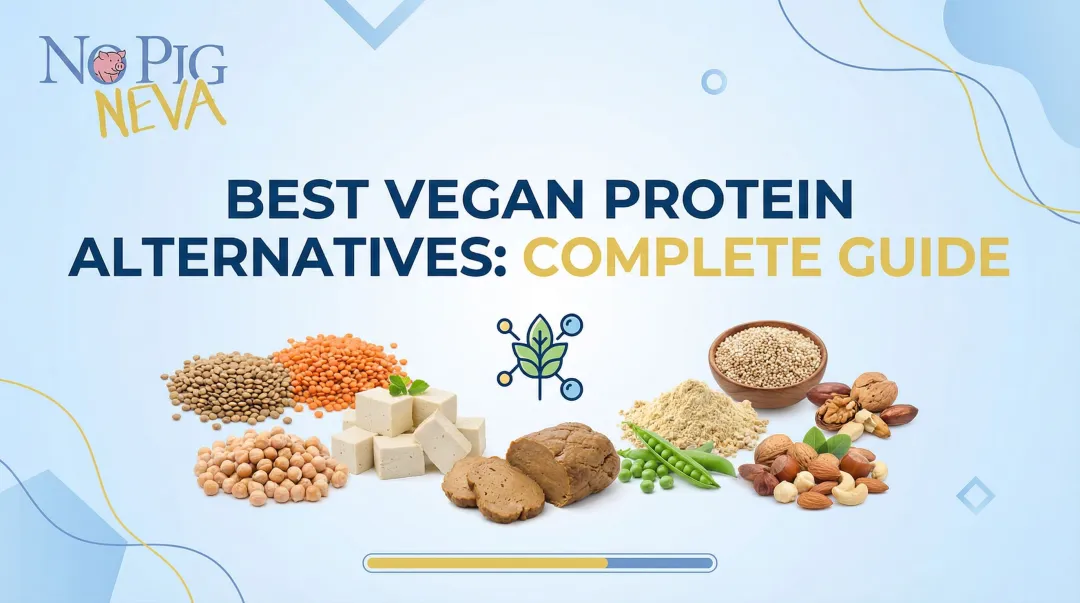
Most whole-food plant-based protein sources are naturally gluten-free, which makes combining a vegan and gluten-free diet more straightforward than many people expect.
Legumes and Soy
These powerhouse proteins are inherently gluten-free in their whole form:
Top gluten-free legumes:
- Lentils: 9.02g protein per 100g cooked
- Chickpeas: 15.0g protein per cup (164g)
- Black beans: 15.0g protein per cup (172g)
- Kidney beans, edamame, and other bean varieties
Important caveat: Cross-contamination risk exists when beans are grown in rotation with wheat crops or processed on shared equipment. Buy from certified gluten-free sources when possible.
Soy products (tofu, tempeh, soy milk) are naturally gluten-free in pure form. However, flavored or marinated versions frequently contain soy sauce (which typically contains wheat), wheat-based additives, or are processed in shared facilities. Mori-Nu Silken Tofu is certified gluten-free by GFCO, testing below 5 ppm and manufactured in a dedicated facility.
Gluten-Free Grains and Seeds
High-protein gluten-free grains:
- Quinoa (complete protein with all essential amino acids)
- Amaranth
- Teff: 9.75g protein per cup cooked
- Buckwheat (despite the name, not related to wheat)
- Millet
- Sorghum
Nuts and seeds:
- Chia seeds
- Hemp seeds
- Pumpkin seeds
- Almonds
- Peanuts and peanut butter
Most nut butters are gluten-free, but check labels for wheat-based additives before buying. A 2010 US study found that 32% of inherently gluten-free grains and seeds not labeled gluten-free contained mean gluten levels ≥20 ppm due to shared equipment.
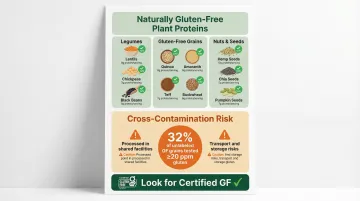
NoPigNeva carries a range of certified gluten-free plant-based products, each clearly labeled so you can skip the guesswork at checkout.
Plant-Based Proteins That Can Contain Gluten
Most accidental gluten exposure in plant-based diets happens through processed products marketed as healthy or vegan, often without explicit gluten-free labeling. Knowing which categories to watch is the first step to staying safe.
Seitan and Wheat-Based Alternatives
Seitan is made directly from vital wheat gluten and is never gluten-free under any circumstances. It's one of the most concentrated gluten sources in any diet and must be completely avoided by anyone with celiac disease or gluten sensitivity.
Common wheat-gluten-based products in vegan diets:
| Brand | Product | Primary Gluten Source |
|---|---|---|
| Field Roast | Celebration Roast, Grain Meat Sausages | Vital wheat gluten |
| Tofurky | Smoked Ham Deli Slices, Turk'y Roast | Vital wheat gluten |
| Gardein | Ultimate Plant-Based Chick'n Strips | Vital wheat gluten |
| MorningStar Farms | Veggie Bacon Strips | Wheat gluten |
| Upton's Naturals | Traditional Seitan | Vital wheat gluten |
NoPigNeva carries seitan products like Bartleby's Spicy Seitan Nuggets and Cutlets, which are clearly wheat-based and should be avoided by gluten-sensitive shoppers.
Meat Alternatives and Processed Products
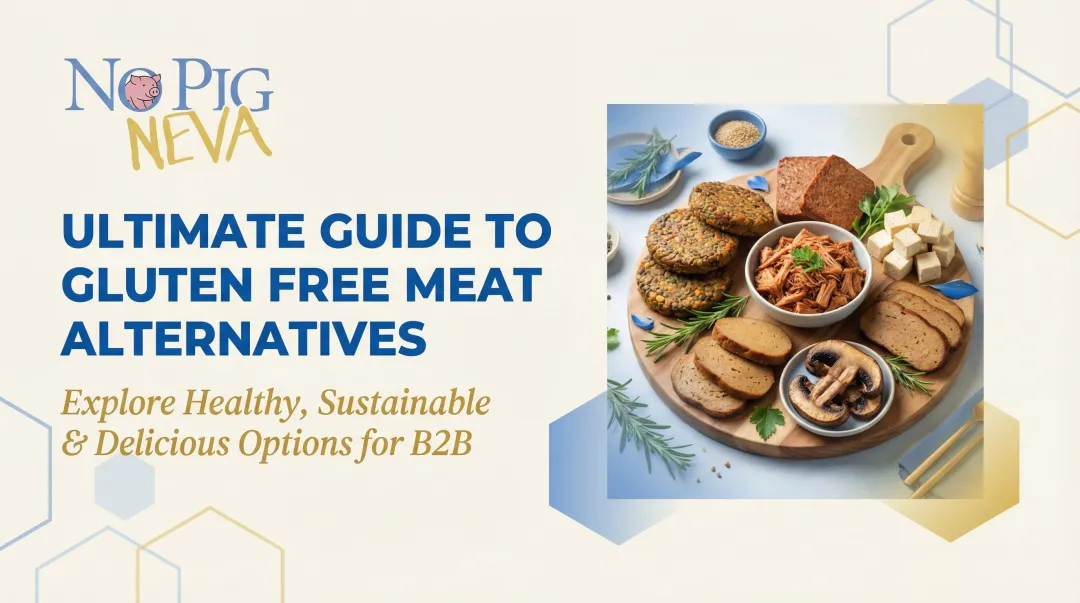
Beyond seitan, veggie burgers, vegan hot dogs, and plant-based sausages vary widely by brand. Some use pea or soy protein and are gluten-free; others use wheat gluten as a binder or texture agent. Check each product's ingredient list and look for certified gluten-free labeling before buying.
Hidden gluten sources in processed products:
Sauces and marinades:
- Standard soy sauce is made from soybeans and wheat—not gluten-free
- Tamari can be 100% soy-based and gluten-free when certified, like San-J's GFCO-certified tamari
- Malt vinegar is derived from barley and is never gluten-free
Maltodextrin: Allowed in gluten-free foods because it's highly processed, but if derived from wheat, FALCPA regulations require the word "wheat" to appear on the label.
Even products made without gluten-containing ingredients can carry cross-contamination risk if manufactured on shared lines or in shared facilities with wheat products. This is especially relevant for protein powders, blended supplements, and bulk-bin whole foods. FDA "may contain" and "shared facility" warnings are entirely voluntary, so the absence of a warning doesn't guarantee safety.
How to Read Labels and Shop Safely for Gluten-Free Plant-Based Protein
What to Look For on Ingredient Labels
These ingredient names signal gluten — stop and check before buying:
- Vital wheat gluten
- Wheat protein
- Barley
- Rye
- Malt (malt extract, malt flavoring, malt vinegar)
- Maltodextrin (unless specified as corn-derived)
- Brewer's yeast
Beyond ingredients, check for shared-facility warnings: disclaimers like "may contain wheat," "produced in a facility that processes wheat," or "manufactured on shared equipment." These are voluntary — their absence doesn't guarantee safety.
Understanding Gluten-Free Certification
Third-party certified gluten-free labels signal independent testing to confirm products contain less than 20 ppm gluten—the standard accepted as safe for most people with celiac disease.
Certification standards comparison:
| Certifier | Gluten Threshold | Testing Requirements |
|---|---|---|
| FDA (regulatory baseline) | <20 ppm | No mandatory testing; relies on post-market monitoring |
| GFCO (Gluten Intolerance Group) | ≤10 ppm | Annual facility audits, internal testing, proficiency testing |
| NSF International | ≤15 ppm | Facility audits and independent product testing |
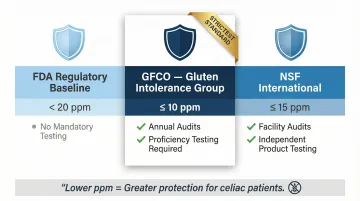
The FDA's 20 ppm threshold is the lowest amount reliably detected using scientifically validated methods, and epidemiological evidence suggests most celiac patients can tolerate trace amounts below this level without adverse effects.
For people with severe sensitivity, certified products offer significantly more protection than those that are merely "naturally gluten-free." The stricter the certifier's threshold, the lower your exposure risk.
Shopping at NoPigNeva
All of that label-checking takes time. NoPigNeva pre-vets its inventory for transparent ingredient standards, stocking only 100% vegan products — many of which carry gluten-free and Non-GMO certifications. A few examples from their current lineup:
- Vegan Cheddar Cheese ($17.99) — Gluten Free, Kosher, Non-GMO
- Plant Provisions Deli Slices Smokehouse ($10.99) — Gluten Free, Non-GMO, Soy Free
- Delicious Golden Vegan Gravy ($2.99) — Gluten Free, Kosher, USDA Organic
- Vegan Maple Bacon Jerky ($9.99) — Gluten Free, 100% Vegan
For anyone managing both a vegan and gluten-free diet, this kind of curated sourcing cuts the verification work down significantly — you can browse by dietary tag rather than decode every label from scratch.
Common Misconceptions About Plant-Based Protein and Gluten
"Vegan = Gluten-Free"
This is false and potentially dangerous. Wheat is a plant, and many vegan products are built around wheat gluten. Seitan, wheat-based deli meats, and numerous meat alternatives contain concentrated gluten. An IFIC survey found that 42% of respondents with food allergies or sensitivities find packaged food labels unclear and confusing — a gap that makes assumptions like this one genuinely risky.
"Natural" or "Whole Food" Guarantees Gluten-Free Status
Even whole foods carry cross-contamination risk depending on how they're grown, harvested, or packaged. Studies show up to 88% of conventional commercial oats contain >20 ppm gluten due to shared harvesting equipment and crop rotation practices.
Oats present two distinct risks:
- Cross-contact from shared harvesting equipment can introduce heavy gluten contamination throughout the commercial supply chain
- Avenin sensitivity — oat proteins called avenins can trigger immune responses in some celiac patients, meaning even certified gluten-free oats may cause reactions in certain individuals
Protein Powder Safety Depends on More Than the Base Ingredient
A pea protein base is naturally gluten-free — pea protein isolate holds FDA GRAS status — but the finished powder product is a different story. Additives, flavorings, and shared processing facilities can all introduce gluten. What's safe at the ingredient level isn't automatically safe in the bag on your shelf.
Frequently Asked Questions
Is plant-based protein gluten-free?
Most whole-food plant-based proteins like lentils, chickpeas, and quinoa are naturally gluten-free. However, processed products and protein powders can contain gluten through added ingredients (like wheat-based binders) or cross-contamination during manufacturing. Always verify by checking labels or looking for certified gluten-free status.
Is seitan gluten-free?
No. Seitan is made entirely from vital wheat gluten and is never gluten-free. It's one of the most concentrated gluten sources in any diet and must be completely avoided by anyone with celiac disease or gluten sensitivity.
Are pea protein and soy protein gluten-free?
Pea and soy protein are naturally gluten-free in their base form. However, finished products using these proteins may still contain gluten if additives (like malt flavoring) or shared manufacturing facilities introduce it. Look for a certified gluten-free logo before buying any finished product.
Can plant-based protein powder cause a gluten reaction?
Yes. Even powders made from gluten-free sources can trigger reactions if they contain gluten-derived additives, flavorings, or are processed in facilities that handle wheat. Always check for certified gluten-free labeling before purchasing.
What plant-based proteins are safest for people with celiac disease?
Certified gluten-free versions of lentils, chickpeas, quinoa, hemp seeds, and plain tofu or tempeh are the most reliable choices. Certification matters more than natural gluten-free status — it verifies testing below 20 ppm and confirms manufacturing controls against cross-contamination.
How do I know if a plant-based product is certified gluten-free?
Look for recognized third-party certification logos on packaging, such as GFCO (Gluten-Free Certification Organization) or NSF International. Certified products have been independently tested to contain less than 20 ppm of gluten — GFCO sets an even stricter threshold of ≤10 ppm, which is safe for celiac disease and gluten sensitivity. The certification logo is your most reliable indicator.