
Introduction
About 7% of Americans avoid gluten for medical or dietary reasons — yet the meat alternative aisle is full of hidden traps for them. The most popular option, seitan, is made directly from wheat gluten. For anyone managing celiac disease or gluten intolerance, that's not a minor inconvenience. It's a health risk.
Gluten hides throughout the meat alternative category in ways most shoppers don't expect:
- Flavored tofu often contains wheat-based soy sauce
- Multi-grain tempeh frequently includes barley
- Products labeled "vegan" can still use vital wheat gluten as a binder
Knowing what to look for — and what to avoid — makes the difference between a safe meal and a painful reaction.
This guide breaks down which meat alternatives are genuinely gluten-free, what to watch for on ingredient labels, and how to match the right option to your nutrition goals and cooking style.
TL;DR
- Gluten-free meat alternatives are widely available — just steer clear of seitan, which is made from wheat gluten
- Safe options include tofu, plain tempeh, legume- and jackfruit-based alternatives, and certified gluten-free pea protein products
- Always look for a certified gluten-free label, not just "vegan" — manufacturing cross-contamination is a genuine concern
- Match your pick to your protein needs, cooking style, and any soy restrictions
What Are Gluten-Free Meat Alternatives?
Gluten-free meat alternatives are plant-based protein sources that replicate the texture, flavor, or function of meat without containing gluten—the protein composite found in wheat, barley, and rye. "Meat alternative" does not automatically mean "gluten-free," since many are wheat-based by design.
Some alternatives are naturally gluten-free, like tofu and legumes. Others require third-party certification to confirm safety due to manufacturing practices. One critical distinction: seitan is not gluten-free—it IS gluten. This is one of the most common misunderstandings for new plant-based eaters.
The intersection of plant-based and gluten-free diets is growing fast. A few numbers put the demand in perspective:
- The global gluten-free products market is projected to reach $18.32 billion by 2033
- Approximately 1% of the U.S. population has celiac disease — around 3 million Americans
- Up to 6% may have non-celiac gluten sensitivity

Types of Gluten-Free Meat Alternatives
Meat alternatives vary significantly by base ingredient, nutritional profile, texture, and processing level. Understanding these categories helps match the right option to different cooking needs, dietary restrictions, and nutrition goals.
Tofu
Tofu is a naturally gluten-free meat alternative made from compressed soy milk curds. It comes in silken, soft, firm, and extra-firm varieties. Firm and extra-firm tofu work best as meat replacements due to their dense, chewable texture. Tofu absorbs marinades and spices readily, making it versatile across a wide range of cooking methods.
Plain, unflavored tofu is minimally processed and high in complete plant protein. Plain, raw, firm tofu contains 21.76g of protein per 0.5 cup (126g) serving and is inherently free from gluten when purchased from reputable sources. However, flavored or pre-marinated varieties may contain added soy sauce or wheat-based ingredients.
Best for: Stir-fries, scrambles, grilling, braising. Ideal for those wanting a whole-food, minimally processed option.
Limitation: Tofu is soy-based, so those needing both soy-free and gluten-free options must look elsewhere.
Tempeh
Tempeh is a fermented soy product made from whole soybeans pressed into a dense cake, giving it a firmer texture and nuttier flavor than tofu. The fermentation process makes it easier to digest than many other soy products and increases its protein and nutrient density. Cooked tempeh contains 19.91g of protein per 100g.
Plain tempeh made from soybeans alone is gluten-free by default, but some varieties include added grains like barley or wheat. Look for single-ingredient or certified gluten-free tempeh like Tofurky Treehouse Tempeh, which is GFCO-certified.
Best for: Slicing, crumbling, marinating, smoking. Works well in sandwiches, tacos, grain bowls, and bacon-style strips.
Limitation: Like tofu, it's soy-based, and its strong, earthy flavor can require adjustment for those new to it.
Legume-, Bean-, and Jackfruit-Based Alternatives
This category uses whole or processed plant foods—including chickpeas, black beans, lentils, and jackfruit—as the protein or texture base. All are inherently soy-free and gluten-free. Jackfruit has gained popularity for mimicking pulled meat due to its fibrous texture when cooked, while legume-based options deliver high fiber and substantial plant protein.
These are the go-to options for people who need to avoid both gluten and soy. Dr. Praeger's Black Bean Quinoa Veggie Burgers are GFCO-certified, soy-free, and vegan, with 6g of protein per patty.
NoPigNeva carries Plant Provisions Deli Slices made from beets and chickpeas—certified gluten-free, non-GMO, and soy-free.
Protein comparison:
- Raw jackfruit: 1.7g per 100g
- Cooked chickpeas: 8.86g per 100g
- Cooked black beans: 8.9g per 100g
Limitation: Jackfruit is lower in protein compared to soy-based or pea protein options, making it more of a texture substitute than a protein-dense meat replacement. Legume-based burgers vary significantly in taste and texture across brands.
Pea Protein and Certified Gluten-Free Processed Alternatives
This newer generation of commercially manufactured meat alternatives uses pea protein—or other non-soy, non-wheat proteins like sunflower seeds or mycelium—as the base. Beyond Meat products use pea and rice protein and are both soy-free and gluten-free. MyForest Foods produces MyBacon from mycelium, which is explicitly labeled gluten-free and soy-free.
These products are engineered to closely replicate the taste, texture, and appearance of meat. That makes them a natural entry point for flexitarians transitioning away from animal products. They typically carry certified gluten-free labels, making them reliable for people managing celiac disease.
Limitation: These are the most heavily processed options, often containing longer ingredient lists, added sodium, and stabilizers. They tend to be the most expensive. Best for convenience-driven cooking: burgers, sausages, and ground meat applications.
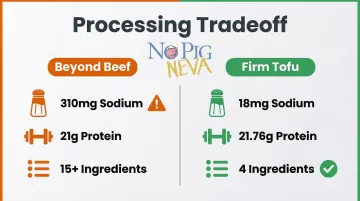
Processing tradeoff example:
- Beyond Beef: 310mg sodium per 113g, 21g protein, 15+ ingredients
- Firm tofu: 18mg sodium per 126g, 21.76g protein, 4 ingredients
How to Choose the Right Gluten-Free Meat Alternative
The "right" choice depends on your full dietary picture—not just gluten-free status alone. Start by identifying secondary dietary restrictions (soy-free, low-carb, nut-free) before evaluating options.
Match to Your Protein Goals
- High-protein needs: Tofu, tempeh, and pea protein products deliver 18–22g per serving
- Fiber and gut health: Legume-based options are the clear winners
- Texture-first goals (pulled pork, shredded chicken): Jackfruit and mycelium-based products
- Minimal processing: Whole foods like tempeh and lentils have the shortest ingredient lists
Match to Your Cooking Method
- High-heat cooking (grilling, frying, baking): Firm tofu and tempeh hold up best
- Slow-cooked or braised dishes: Jackfruit absorbs sauces and breaks down perfectly
- Quick weeknight meals: Pea protein patties and burgers are ready in minutes
Consider Processing Level and Budget
Whole-food options (tofu, tempeh, legumes) have shorter ingredient lists and are more nutrient-dense. The Gluten Intolerance Group recommends that the majority of a gluten-free diet consist of whole foods to meet nutrient needs and avoid hidden gluten sources.
Processed alternatives offer convenience but tend to be higher in sodium and cost more. Certified gluten-free labels carry a price premium—something worth factoring in if you're shopping regularly. For those who'd rather skip label-checking at the grocery store, NoPigNeva stocks a curated range of certified gluten-free vegan meat alternatives, all verified and shipped nationwide.
What to Check Before You Buy
Label Literacy
"Vegan" does not equal "gluten-free." Always look for a certified gluten-free seal or an explicit claim from a recognized certifying body. Key thresholds to know:
- The FDA requires gluten-free labeled products to contain less than 20 ppm of gluten
- Third-party certifiers like GFCO enforce a stricter limit of less than 10 ppm
- "Wheat-free" does not mean gluten-free — barley and rye also contain gluten
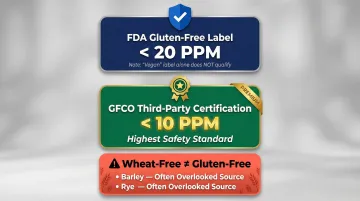
Passing the label test is only step one. Facility-level risks matter just as much.
Cross-Contamination Warnings
Even products made without gluten-containing ingredients can be processed in facilities that also handle wheat. For people with celiac disease, warnings like "may contain traces of wheat" or "manufactured in a shared facility" are not safe to ignore.
Common Label Traps to Avoid
Conclusion
Gluten-free meat alternatives are widely available and genuinely versatile—covering everything from minimally processed whole foods like tofu and tempeh to innovative pea protein products. However, reading labels carefully matters more than trusting the "vegan" label alone.
The right choice depends on your specific situation:
- Dietary restrictions: Always verify certified gluten-free status, not just "vegan"
- Protein goals: Tempeh and pea protein products generally offer higher protein per serving than grain-based alternatives
- Budget and access: Whole foods like tofu cost less; specialty products like plant-based seafood alternatives require a reliable source
Start with certified options and branch out from there. NoPigNeva carries a curated selection of gluten-free vegan meat alternatives shipped nationwide—useful when local stores carry limited options.
Frequently Asked Questions
Which meat alternatives are gluten-free?
The main gluten-free categories include tofu, plain tempeh, legume/jackfruit-based options, and pea protein products like Beyond Meat. Any of these should carry a certified gluten-free label to be safe for celiac disease, as cross-contamination during manufacturing is a real risk.
What is seitan (the gluten-based meat substitute) made from?
Seitan is made from vital wheat gluten—the protein that remains when starch is washed from wheat dough. That makes it completely off-limits for anyone with celiac disease or gluten intolerance.
What common foods are surprisingly not gluten-free?
Hidden gluten shows up in flavored tofu, some veggie burgers, soy sauce-based marinades, and meat alternatives that use vital wheat gluten as a binder. Always read labels carefully — even seemingly safe plant-based foods can contain wheat.
What meat alternatives are soy-free?
Jackfruit, legume/bean-based burgers, pea protein products (like Beyond Meat), mycelium-based options, and sunflower seed-based TVP are all soy-free. Many are also gluten-free, making them suitable for people managing both restrictions.
Are there non-soy TVP (textured vegetable protein) options?
Yes — while traditional TVP is soy-based, versions made from pea protein or sunflower seeds are widely available. Just verify gluten-free status separately, since not all TVP is wheat-free.
What is a gluten-free soy substitute?
Tamari is the most common gluten-free swap for soy sauce in marinades and recipes. It's a Japanese-style soy sauce made with little to no wheat, often certified gluten-free. Coconut aminos is another popular gluten-free and soy-free alternative with a slightly sweeter taste.