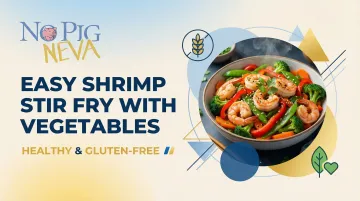
Many home cooks struggle with weeknight meals that feel too complicated or leave behind a mountain of dishes. This recipe solves both problems with a single-pan method, flexible ingredients you probably already have, and a foolproof technique that works even if you've never touched a wok before.
TLDR
- Ready in under 20 minutes from prep to plate
- Naturally gluten-free — use tamari or coconut aminos instead of soy sauce
- Pairs well with almost any vegetable combination, fresh or frozen
- Goes fully plant-based with vegan shrimp alternatives — no recipe changes needed
Why This Shrimp Stir Fry Deserves a Spot in Your Weekly Rotation
This recipe delivers a triple win: vegan shrimp cooks in just 2-3 minutes, vegetables retain their crunch and nutrients under high heat (stir-frying preserves up to 73% more vitamins than boiling), and the one-pan method means minimal cleanup — a genuine weeknight solution.
The health credentials hold up, too. Plant-based shrimp alternatives are high in protein and low in saturated fat, and pairing them with a rainbow of vegetables keeps the dish fiber-rich and naturally low-carb. Use tamari instead of soy sauce and the whole thing is 100% gluten-free — no workarounds needed.
The versatility factor seals the deal. Treat it as a blank canvas and rotate based on what you have:
- Swap vegetables by season — bok choy in winter, snap peas in spring
- Dial heat up or down with chili garlic sauce or a splash of rice vinegar
- Change the base to rice, quinoa, noodles, or cauliflower rice
- Sub in different vegan seafood styles for a completely different dish
One formula, endless variations.
Ingredients You'll Need
Shrimp (or Plant-Based Alternative)
Use raw, peeled, and deveined shrimp, medium to large size (31–40 count per pound, where lower numbers mean larger shrimp). Both fresh and frozen raw shrimp work equally well when properly thawed — in fact, most "fresh" shrimp at the grocery store was previously frozen anyway.
For a fully vegan version, plant-based shrimp (such as the vegan shrimp available from NoPigNeva) swaps in 1:1. These are typically made from konjac (a root vegetable starch), tapioca, or soy-based proteins, shaped and textured to mimic real shrimp.
Konjac-based versions are well-suited for stir-frying because they hold up at high heat. Konjac glucomannan doesn't degrade until 320.6°C, far above any stir-fry temperature you'll reach at home.
The Vegetables
The best vegetables for stir fry include:
- Bell peppers (any color)
- Broccoli florets
- Snap peas or snow peas
- Zucchini
- Carrots (julienned or thinly sliced)
- Baby corn
Key principle: Cut vegetables to a similar size for even cooking. Group them by cook time — add dense vegetables like carrots and broccoli first, then peppers and zucchini, and finally tender vegetables like snap peas last.
The Stir Fry Sauce
A great stir fry sauce has five essential components:
- Soy sauce base: Use tamari or coconut aminos to keep it gluten-free. Coconut aminos contain only 270 mg of sodium per tablespoon compared to 960 mg in regular soy sauce — a 71% reduction.
- Sweetener: Honey or agave nectar balances the salty and savory notes
- Thickening agent: Cornstarch or arrowroot powder (for paleo diets)
- Sesame oil: Adds depth and nuttiness (use as a finishing oil, not for cooking)
- Heat element (optional): Chili garlic sauce or sriracha
Critical tip: Mix the sauce in advance before any cooking starts. Stir fry moves quickly once the heat is on, and you won't have time to measure mid-cook.
Aromatics and Cooking Oil
Minced garlic, fresh ginger, and scallions form the aromatic base. For cooking oil, choose one with a high smoke point:
- Avocado oil (520°F smoke point) — best choice for high-heat stir frying
- Canola oil (400°F) — a reliable, neutral-flavored backup
- Toasted sesame oil (350°F) — too low for cooking; use as a finishing drizzle only
How to Make Shrimp Stir Fry with Vegetables Step by Step
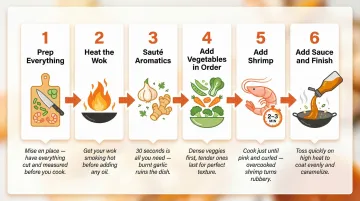
Step 1: Prep everything before you heat the pan. Mix the sauce, chop all vegetables, thaw and drain your plant-based shrimp, and set everything within arm's reach. Mise en place matters more here than in most other cooking methods. The dish cooks in under 10 minutes, and pausing to chop mid-cook leads to overcooked vegan shrimp or soggy vegetables.
Step 2: Heat the wok or large skillet over medium-high to high heat until it is visibly hot before adding oil. A properly heated pan creates the slight char and smoky flavor associated with good stir fry (sometimes called "wok hei") and prevents sticking. The pan should be hot enough that a drop of water sizzles and evaporates immediately.
Step 3: Sauté the aromatics. Add oil, then garlic, ginger, and the white parts of scallions. Cook for about 60 seconds until fragrant but not browned, stirring constantly. Burned garlic tastes bitter and ruins the dish.
Step 4: Add vegetables in order of density:
- Start with carrots or broccoli (3 minutes)
- Add peppers and zucchini (2 minutes)
- Finally add delicate vegetables like snap peas (1 minute)
Stir fry on high heat for 3–5 minutes total until vegetables are just tender with a slight bite remaining. They should be vibrant and crisp, not soft.
Step 5: Add the plant-based shrimp to the pan and cook for 2–3 minutes, stirring occasionally, until heated through and lightly caramelized at the edges. Most plant-based shrimp are pre-cooked, so follow your package's timing — the goal is a warm, slightly golden exterior, not extended cooking that turns them rubbery. Remove from heat as soon as they're heated through.
Step 6: Pour the pre-mixed sauce over everything, toss to coat, and cook for another 1–2 minutes on medium heat until the sauce thickens and glazes the vegan shrimp and vegetables. Finish with the dark green scallion tops and sesame seeds, and serve immediately.
Tips to Nail the Perfect Stir Fry Every Time
Don't Overcrowd the Pan
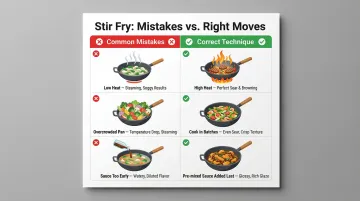
Adding too many ingredients at once drops the pan temperature and causes steaming instead of searing. When the pan cools below the water's boiling point, vegetables release moisture that can't evaporate quickly, resulting in soggy vegetables and rubbery plant-based shrimp. Cook in batches if needed — the results are worth it.
Dry Your Shrimp Thoroughly
Excess moisture from thawing or rinsing creates steam in the pan, preventing the vegan shrimp from getting a light sear. Pat dry with paper towels just before adding to the hot pan. The difference shows up immediately — a light caramelized crust instead of a steamed, gray exterior.
The "Secret Ingredient" for Depth
The difference between good and great stir fry comes from layering umami-rich ingredients. Beyond the soy sauce base, add one of these:
- Toasted sesame oil (added at the end, not for cooking)
- Vegan mushroom oyster sauce (deep, savory flavor — widely available at Asian grocery stores)
- Miso paste (a small spoonful adds complexity)
- Rice vinegar (a splash balances richness with acidity)
Miso contains up to 1,920 mg of glutamate per 100g, which triggers the umami receptors on your tongue and creates that addictive savory depth.
Avoid These Common Mistakes
- Low heat produces steamed, flavorless food. Stir fry needs high heat for the Maillard browning that develops real flavor.
- Adding sauce too early drops pan temperature and turns everything watery. Wait until the vegan shrimp is fully cooked.
- Mixing sauce while cooking means it's already too late — stir fry moves fast. Pre-mix everything before the pan heats up.
Serving Ideas and Variations
Serving Bases
Traditional options:
- Steamed jasmine rice or brown rice (classic pairing)
- Rice noodles or soba noodles (use gluten-free soba if needed—verify it's 100% buckwheat)
Lower-carb options:
- Cauliflower rice (27 calories per cup vs. 205 for white rice)
- Quinoa (222 calories but 8.1g protein per cup—the highest-protein base)
Dietary Variations
For paleo: Swap cornstarch for arrowroot powder and use coconut aminos instead of soy sauce.
For lower sodium: Use low-sodium tamari (700 mg per tablespoon) or coconut aminos (270 mg per tablespoon).
For vegan: Use plant-based shrimp (NoPigNeva carries konjac-based vegan shrimp that holds its texture under high heat) and swap honey for agave nectar.
Storage and Meal Prep
Stir fry is best eaten fresh, but leftovers store well with a few simple steps:
- Keep leftovers in an airtight container in the fridge for up to 2–3 days
- Store the stir fry and rice separately to prevent the base from going mushy
- Reheat in a hot skillet rather than the microwave to restore texture
Frequently Asked Questions
What vegetables go well in shrimp stir-fry?
Bell peppers, broccoli, snap peas, zucchini, carrots, bok choy, and baby corn all work beautifully. The key is grouping vegetables by cook time—add dense vegetables like carrots first, then medium-density vegetables like peppers, and finally delicate vegetables like snap peas last so everything finishes together.
What are common mistakes in shrimp stir-fry?
The top three errors are cooking on too-low heat (which steams instead of sears), overcrowding the pan (which drops the temperature), and overcooking the shrimp past the "C" shape into a tight "O" shape — all of which leave you with soggy, rubbery results instead of crisp and tender.
What is the secret ingredient in stir-fry?
Toasted sesame oil added at the end (not for cooking) and an umami booster like miso paste, vegan oyster sauce, or a splash of rice vinegar. These finishing touches lift the flavor from good to restaurant-quality.
Can I use frozen cooked shrimp in stir fry?
Frozen raw shrimp (thawed) is strongly preferred, but frozen pre-cooked shrimp can work if added in the final 1-2 minutes just to heat through. Since they're already cooked, over-sautéing will make them rubbery and tough.
What is vegetarian shrimp made of?
Plant-based shrimp is typically made from konjac (a root vegetable starch), tapioca, or soy protein — shaped and textured to closely mimic real shrimp. It swaps in 1:1 in any stir fry recipe and holds up well under high heat.
Is plant-based shrimp good for blood pressure?
Konjac-based plant shrimp is naturally low in sodium and cholesterol-free, making it a heart-friendly protein swap. Keep the dish blood-pressure-friendly by using low-sodium tamari or coconut aminos instead of regular soy sauce. Consult your healthcare provider for personalized dietary guidance.